Riyadh City Guide: Getting Around the Capital by Private Transport
Reviewed travel guidance. This article is general planning guidance for visitors arranging ground transport in Saudi Arabia. Always check current entry requirements and airline policies before you travel.
Riyadh is a sprawling, fast-growing capital where the districts that matter to a business traveller or tourist, from the financial towers of King Abdullah Financial District to the heritage quarter of Diriyah, sit a considerable drive apart from each other. Public transport is expanding but coverage and reliability still vary by area, which is why most visitors plan their trip around private transport from the outset. This guide walks through how the city is laid out, what to expect at the airport, how to get between districts without losing half a day to traffic, and how to organise transport for meetings, sightseeing, conferences, and everything in between, whether you are visiting for a single day of back-to-back meetings or taking a longer trip that mixes work with time to explore.
Understanding Riyadh’s layout
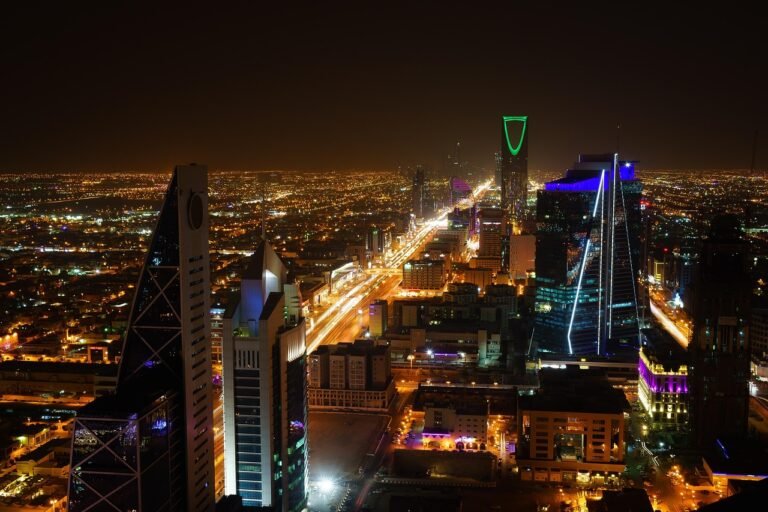
Riyadh is built on a grid of long boulevards radiating from the older central districts out towards newer development zones on the edges of the city. Distances that look short on a map can take thirty minutes or more in traffic, so it helps to think of the city in clusters rather than as a single compact centre you can cross on foot. Newcomers are often surprised by just how far apart the places they need to visit turn out to be once they see the drive times rather than the straight-line distance.
Olaya and King Fahd Road, the commercial spine, home to many hotels, offices, and the Kingdom Centre Tower.
King Abdullah Financial District (KAFD), the newer business hub with conference facilities and corporate headquarters.
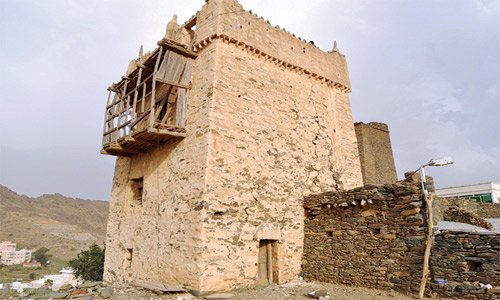
Diriyah, the historic birthplace of the Saudi state, undergoing major restoration and now a leading heritage destination.
Al Murabba and the National Museum area, useful for a first orientation to the city’s history and culture.
Riyadh Boulevard and Boulevard World, entertainment and dining districts that get busy in the evenings.
Malaz and Sulaimaniyah, older residential and commercial neighbourhoods that sit closer to the historic centre and are worth knowing if your hotel is based there.
Because these clusters are spread across a large metropolitan footprint, a single day of meetings or sightseeing across two or three districts almost always calls for a car rather than walking, and even a short list of stops can eat up most of a morning if transport is not planned in advance.
Arriving at King Khalid International Airport
Most international and domestic flights into the capital land at King Khalid International Airport, north of the city centre. The airport has multiple terminals, and the transfer into central Riyadh typically takes somewhere between thirty and fifty minutes depending on traffic and which district you are heading to. Signposting between terminals and the various pickup zones can take a little getting used to on a first visit, and after a long flight it is easy to lose track of exactly where your driver is meant to be waiting.
If you are travelling for business and landing after a long-haul flight, arranging a driver to meet you at arrivals removes one variable from an already long day, particularly if you are heading straight into meetings. It also helps to build a little extra time into your schedule for immigration and baggage collection, since queues can vary depending on how many flights land around the same time.
It is worth checking your airline’s current baggage and transit policies before you fly, along with any entry requirements that apply to your nationality. The General Authority of Civil Aviation publishes operational updates for Saudi airports, and it is a useful reference if your itinerary includes a domestic connection within the country. If you hold a UK passport, the gov.uk foreign travel advice for Saudi Arabia page is worth a read before departure, and US travellers should check the equivalent travel.state.gov advisory.
Getting between districts: routes, timing, and choosing your vehicle
Riyadh’s road network is generally well maintained, but peak-hour congestion on King Fahd Road and the ring roads is a genuine factor in journey planning. A few practical points for anyone organising their own schedule:
Morning and late afternoon are the busiest periods, roughly aligned with standard office hours.
Journeys that cross from one side of the city to the other, for example from KAFD to Diriyah, are best budgeted at forty-five minutes to an hour even outside peak traffic.
If your day includes several stops, a pre-booked vehicle held for a fixed number of hours is usually simpler to manage than booking separate one-off rides between each location.
For evenings out in Riyadh Boulevard or similar entertainment districts, arrange your return journey in advance since demand for on-demand rides rises sharply after dark in these areas.
During the summer months, high daytime temperatures make waiting outside for transport genuinely uncomfortable, so having a vehicle timed to arrive when you are ready is more than a convenience.
The right vehicle also depends on your itinerary and group size. A standard sedan suits solo business travellers moving between meetings, while a larger SUV or van makes more sense for families, small groups, or anyone carrying substantial luggage. Booking ahead of arrival, rather than relying on finding transport once you land or once you are ready to leave a venue, gives you certainty over the vehicle type, the price, and the pickup point, which is particularly useful on a first visit when you are still getting your bearings around the city’s layout.
Business travel and conference logistics
Riyadh hosts a steady calendar of conferences, exhibitions, and corporate events, and many of the venues used for these, along with major hotels, sit some distance from each other. If you are attending a multi-day event, it is worth confirming your hotel’s proximity to the venue before booking, since a short hop on paper can still mean a twenty or thirty minute drive through the city. This matters most on the first morning of an event, when delegates are often unfamiliar with the route and traffic patterns and can easily underestimate how long the transfer will take.
For delegates arriving as part of a group, coordinating transport centrally rather than each person booking individually tends to keep the schedule on track and avoids people arriving at different times for the same session. It also simplifies things for the organiser, who can confirm a single pickup schedule for the whole delegation rather than chasing down individual arrangements. Companies that send staff to Riyadh regularly for conferences, site visits, or client meetings often find it worth setting up a standing arrangement so that transport does not need to be rebooked from scratch every trip, particularly when the same handful of hotels and venues come up again and again across different visits.
Sightseeing and leisure days
For visitors with a day or two free, Diriyah is the standout destination, a restored mudbrick town that gives a real sense of the region’s history before the modern capital grew up around it. The Saudi Tourism Authority’s visitsaudi.com is a useful starting point for current opening times and seasonal events across the city, since these can change with the calendar. Beyond Diriyah, the National Museum and the older Al Murabba district are worth combining into a single half-day itinerary, given their proximity to one another compared with the wider city.
Travellers with more time sometimes add a day trip further afield, such as the dramatic cliffside viewpoints known collectively as the Edge of the World, a couple of hours outside the city. Trips like this are a good example of where a private vehicle booked for the full day is far more practical than trying to arrange transport once you are already out of town, since return options in remote areas can be limited and the roads are unfamiliar to most first-time visitors.
Because these heritage sites, along with the newer entertainment districts, are spread across different parts of Riyadh and its surroundings, a private vehicle held for a half or full day generally works out more practical than trying to string together several separate journeys, especially if your schedule is loose and you want to adjust plans as you go.
Frequently asked questions
Q: How far is King Khalid International Airport from central Riyadh? A: The drive typically takes between thirty and fifty minutes depending on traffic and your exact destination within the city.
Q: Is it better to book transport in advance or arrange it after landing? A: Booking in advance gives you a confirmed vehicle, price, and pickup point, which is especially useful after a long flight or when you are arriving in Riyadh for the first time.
Q: How long should I allow to get between districts in Riyadh? A: Journeys within a single cluster, such as around Olaya, can take ten to fifteen minutes, while crossing the city, for example to Diriyah, is best budgeted at closer to an hour during busier periods.
Q: What is the best area to base myself in for a business trip? A: Olaya and King Fahd Road, or King Abdullah Financial District, are the most convenient bases for business travellers given the concentration of hotels and offices in both areas.
Q: Do I need a different vehicle for sightseeing versus business meetings? A: Not necessarily, though families or groups visiting several leisure sites in one day often prefer a larger vehicle for comfort and luggage space compared with a standard sedan used for point-to-point business trips.
Q: Should I check anything before travelling to Riyadh? A: Yes, check your airline’s current policies and the latest entry guidance for your nationality before you fly, since requirements can change.
If you would like a fixed-price quote tailored to your itinerary, Saudi Cab Co can arrange the right vehicle for your trip in advance. Get in touch before you travel and we will match your booking to exactly what you need.
Jazan and the South-West: A Transport Guide for an Emerging Destination
Reviewed travel guidance. This article is general planning guidance for visitors arranging ground transport in Saudi Arabia. Always check current entry requirements and airline policies before you travel.
Jazan sits at the far south-western edge of Saudi Arabia, a Red Sea region of coastal plains, terraced coffee mountains and offshore islands that has had far less exposure to international visitors than Riyadh, Jeddah or the AlUla trail. That is starting to change as tourism promotion extends further south, but the transport infrastructure and information available to a first-time visitor are noticeably thinner than in the established cities. The climate adds another layer of planning: the coast is hot and humid for most of the year, while the mountain interior is noticeably cooler, and that contrast affects when travellers choose to visit and how comfortable a long road transfer will feel. This guide sets out what to expect when arranging ground transport around Jazan, from the airport to the coast and into the mountains, and where to plan with extra care.
Why Jazan is on the map now
Jazan has traditionally been visited by domestic travellers rather than international ones, largely for its distinctive geography rather than any single headline attraction. The region combines a Red Sea coastline, a scattered archipelago in the Farasan Islands, and a mountainous interior where terraced farms produce some of the country’s coffee, grown on steep stone terraces that have been maintained by local farming families for generations. As Saudi Arabia’s tourism sector opens up more broadly, official promotion has started to include Jazan and the wider south-west alongside better-known destinations, and general background on the region is available through visitsaudi.com, the Saudi Tourism Authority’s official site.
For a business traveller, the draw is more likely to be a specific project, agricultural or fisheries sector meeting, or a conference tied to regional development, since Jazan’s economy is closely tied to farming, fishing and cross-border trade. For a leisure traveller, it is usually the islands, the mountain scenery or simply an interest in a part of the country that is not yet a standard stop on the tourist circuit. Either way, the practical planning is different from a first trip to Riyadh or Jeddah, and it is worth treating Jazan as a destination that rewards more preparation, not less. Visitors who plan their ground transport in advance, rather than assuming they can arrange it on the spot, tend to have a smoother trip overall.
Arriving by air: Jazan’s airport and first-mile transport
Jazan is served by a regional airport connected to Saudi Arabia’s main domestic network, with flights typically routing through Riyadh or Jeddah rather than direct from most international origins. As with any airport in the kingdom, the operational detail that matters most to a traveller, terminal layout, arrivals procedures and any changes to services, is best confirmed close to your travel date through gaca.gov.sa, the General Authority of Civil Aviation.
Because Jazan’s airport handles a fraction of the traffic of Riyadh or Jeddah, do not assume the same density of on-arrival services. Fewer international carriers means fewer rental desks and less English-language signage in places, and it is sensible to arrange your first transfer before you land rather than expecting a wide choice of options to be waiting outside the terminal. A pre-booked pickup removes one variable from a trip where several others, flight timing, connections and local availability, are already less predictable than in the bigger hubs. This matters even more if you are arriving late in the evening, when fewer staff and services are typically on hand at a smaller regional airport than at a major international one.
Getting around Jazan City and the coast
Jazan City itself is a manageable, low-rise coastal city, and most business and leisure itineraries within it involve short point-to-point journeys, hotel to meeting venue, city centre to the corniche, or city to port for an island crossing. Ride-hailing apps operate in the region, but coverage and driver availability are noticeably thinner than in Riyadh or Jeddah, particularly outside normal working hours.
For anyone with a fixed schedule, whether that is a meeting time, a flight connection or a boat departure to the islands, a pre-arranged private transfer is a more reliable way to plan than relying on picking up a ride on demand. This matters more in Jazan than in a city with dense taxi and app coverage, where a short wait rarely disrupts a day. Heat is also a practical factor along the coast for much of the year, and travellers who plan to walk between appointments or wait outside for transport often find a scheduled pickup far more comfortable than an open-ended wait.
Confirm pickup and drop-off points clearly in advance, since street naming and landmark recognition are less standardised than in major cities.
Build extra time into transfers to and from the port for island crossings, as boat schedules are not always flexible.
If your itinerary includes evening or early-morning movements, arrange these ahead of time rather than expecting on-street availability.
Keep a note of your hotel’s Arabic name and address, which is useful if a driver needs it confirmed by phone.
Where possible, group your appointments or errands into a single loop rather than multiple separate trips, since this reduces how often you need to arrange a fresh pickup.
Reaching the Farasan Islands
The Farasan Islands are the best-known reason a leisure traveller comes to Jazan specifically. The archipelago sits off the coast, known locally for its coral reefs, mangrove shorelines and coastal wildlife, and is reached by a ferry crossing from the mainland, which means your ground transport plan has to account for a fixed departure point and a crossing time rather than a straightforward road journey. The practical sequence is usually a transfer from your accommodation to the ferry terminal, the crossing itself, and then arranged transport on the islands, since car hire and taxi availability there is limited compared with the mainland.
Because ferry timetables and capacity can change with demand and season, this is a leg of the trip where it pays to confirm the crossing schedule as close to your travel date as possible rather than working from information gathered months in advance. Building a comfortable margin into your mainland transfer, rather than timing it to the minute, reduces the risk of missing a sailing because of an earlier delay elsewhere in the day. If your visit includes an overnight stay on the islands, it is worth confirming return crossing times as well, since a missed afternoon departure can mean waiting until the following day.
The mountain interior, border-area caution and onward travel to Abha
Inland from the coast, Jazan’s terrain rises into mountains where coffee is grown on stone terraces, a landscape that is visually distinct from most of the rest of Saudi Arabia and is part of what makes the region interesting to visit. These mountain roads are winding, and journey times between villages can be longer than the map distance suggests, so a private transfer with a driver familiar with the terrain is generally a more comfortable option than self-navigating. The cooler air at altitude is itself part of the appeal for visitors escaping the coastal heat, and it is worth allowing a slower pace for this part of a trip rather than treating it as a quick detour.
Jazan also sits close to Saudi Arabia’s southern border, and this is genuinely important for a transport guide rather than incidental colour. Before finalising any itinerary that takes you towards the border area, check the current position on gov.uk’s foreign travel advice for Saudi Arabia, which sets out the areas where the UK government advises against travel or advises extra caution, and cross-reference it with the equivalent travel.state.gov advisory if you hold a US passport. Neither advisory is something a transport provider can substitute for, and any itinerary or transfer route through the southern part of the region should be planned around whatever the current guidance says at the time of your trip, not around what was true when this article was written.
Many visitors to Jazan combine it with Abha and the Aseer region further north, which has a more established tourism presence, cooler mountain climate and better air and road links to the rest of the country. The road between the two regions climbs through mountain terrain and is a genuine driving route rather than a quick hop, so travellers connecting Jazan and Abha by road should plan it as a full day’s transfer with a driver experienced on mountain roads, not as an add-on to a packed schedule. For most itineraries, flying between the two and using ground transport locally in each is the more time-efficient approach, particularly for business travellers working to a fixed schedule. If the road journey itself is part of the appeal, that is a reasonable choice, but it should be booked as a dedicated day with a realistic amount of time set aside, rather than squeezed between two other commitments.
Frequently asked questions
Q: Is Jazan easy to visit as a first-time visitor to Saudi Arabia? A: It is accessible but less developed for tourism than Riyadh, Jeddah or Abha, so it suits visitors comfortable with less English-language infrastructure and fewer on-demand transport options, or those who arrange transfers in advance.
Q: How do I get from Jazan airport to my hotel? A: A pre-booked private transfer is the most reliable option given the airport’s smaller scale and lighter service coverage compared with the main hub airports.
Q: Do I need a private transfer to reach the Farasan Islands, or can I drive myself? A: You can drive to the ferry terminal yourself, but a pre-arranged transfer removes the uncertainty around parking and timing, which matters because ferry departures are fixed and not flexible.
Q: Is it safe to travel to all parts of the Jazan region? A: Check the current gov.uk foreign travel advice for Saudi Arabia, or the equivalent travel.state.gov advisory, before finalising any itinerary that goes near the southern border, since guidance on specific areas can change.
Q: How long does it take to travel by road between Jazan and Abha? A: It is a mountain road route best planned as a full day with a driver experienced on that terrain, rather than a quick connection between other commitments.
Q: Is ride-hailing reliable in Jazan City? A: Apps operate in the region but coverage and driver availability are thinner than in Riyadh or Jeddah, especially outside normal working hours, so pre-arranged transport is more dependable for fixed schedules.
If you would like a fixed-price quote tailored to your itinerary, Saudi Cab Co can arrange the right vehicle for your trip in advance. Get in touch before you travel and we will match your booking to exactly what you need.
Tabuk and the North West: A Transport Guide for NEOM-Adjacent Business Travel
Reviewed travel guidance. This article is general planning guidance for visitors arranging ground transport in Saudi Arabia. Always check current entry requirements and airline policies before you travel.
Saudi Arabia’s north west has become one of the country’s most closely watched business corridors, anchored by Tabuk as the main air gateway and by the wider NEOM development stretching out toward the Red Sea coast. For delegates, contractors, and site visitors, this is a region where planning ahead matters more than in an established hub like Riyadh or Jeddah, simply because the distances are longer and the supporting infrastructure is still being built out. This guide sets out what to expect from Tabuk as an arrival point and how to think about ground transport across the wider north west corridor.
Why Tabuk matters as a gateway to the north west
Tabuk city sits inland, with its airport functioning as the established commercial entry point for the surrounding province. For business travellers heading toward NEOM’s various zones, including the industrial and port development at Oxagon, the mountain-based Trojena project, and the linear city development generally referred to as The Line, Tabuk is often the more practical arrival airport compared with smaller regional strips still being developed closer to the coast, particularly for scheduled domestic and select international routes. The city itself also has its own commercial base, government offices, and a growing hospitality sector serving contractors and consultants working across the province, so a Tabuk stop is frequently part of a trip even when the final destination lies further north or west.
Tabuk has long served as a regional administrative centre, and its role as a business gateway has grown alongside the wider north west development push rather than replacing its existing function. That means visitors arriving for NEOM-related work will find a city with an established base of hotels, government liaison offices, and local suppliers, even though the surrounding project areas themselves are still under construction. Understanding this distinction, an established city acting as a staging point for a developing coastal and mountain corridor, helps set realistic expectations before the trip even begins.
Before booking flights, check current route availability and any operational notes directly with the General Authority of Civil Aviation, since regional airport capacity and scheduled services in a fast-developing area like this can change between planning and departure.
Planning ground transport from Tabuk Airport
Ground transport from Tabuk into the city, or onward toward NEOM’s project sites, should be arranged before you land rather than assumed on arrival. Unlike Riyadh or Jeddah, Tabuk does not yet have the same density of ride-hailing coverage or airport taxi rank volume, so a pre-booked transfer removes the uncertainty of finding a vehicle at short notice, especially late at night or after a delayed flight.
Confirm your exact arrival terminal and flight number when booking, since regional airports can have simpler but less flexible pickup arrangements than the major hubs.
Build in extra buffer time for onward journeys beyond the city, as road conditions and construction activity around NEOM can affect journey times.
If your itinerary includes multiple site visits over several days, a single pre-arranged vehicle for the duration of the trip is usually more efficient than booking separate transfers each day.
For evening and overnight arrivals, it is worth confirming ahead of time that your driver has clear instructions for the pickup point, since terminal layouts and signage in developing regional airports can differ from what business travellers are used to at Riyadh or Jeddah. Sharing your hotel name and any project site badge or access details with your transport provider in advance also helps avoid delays once you are on the ground, particularly if your onward journey involves checkpoints closer to NEOM’s development areas.
Distances and journey planning across the corridor
The north west corridor covers considerable ground. Tabuk city, the coastal NEOM zones, and other development areas are separated by long stretches of desert highway rather than the shorter intercity hops found between, say, Riyadh and Dammam. This changes how a business trip should be structured. Rather than planning a single day with multiple stops spread widely across the province, it is generally more realistic to group meetings or site visits by location and allow a full day, or the better part of one, for longer road transfers.
Coastal zones toward the Red Sea sit a meaningful distance from Tabuk city itself, while other project areas run further inland toward the mountains. Some itineraries involve a single long leg out to the coast and back, while others require moving between an inland meeting and a coastal site visit within the same trip, which is a very different planning exercise. Confirming which specific zone or sub-area your meetings are located in, rather than treating “NEOM” as a single point on the map, is one of the most useful things a business traveller can do before finalising ground transport.
For delegates unfamiliar with the region, it helps to think of the north west less like a single city itinerary and more like a series of linked legs, each with its own transport requirement. A vehicle booked for point-to-point airport transfer is not always the right choice if your trip also involves several intercity movements; in that case, arranging a dedicated vehicle for the full duration, with a driver who understands the wider corridor, tends to work better.
What business travellers should expect on the ground
Compared with Riyadh or Jeddah, the north west is at an earlier stage of visitor-facing infrastructure. Hotel stock in Tabuk itself is adequate for standard business stays, but travellers heading to project sites closer to NEOM should expect more variability in accommodation standard and availability, particularly during periods of high contractor activity. It is worth confirming your accommodation and its distance from your meeting locations before finalising ground transport, since a site that looks close on a map can still mean an hour or more of driving given the road network in the area.
Dining, business services, and meeting facilities in Tabuk city are generally comparable to other established Saudi regional centres, and most standard business needs, printing, a quiet meeting room, a reliable place to eat between appointments, can be arranged through your hotel with reasonable notice. Closer to the coast and the active construction zones, facilities are more limited and tend to be geared toward contractor and workforce needs rather than short-stay business visitors, so it is worth setting expectations accordingly if your itinerary includes an overnight stay away from Tabuk city itself.
Mobile coverage and general amenities are generally reliable in Tabuk city itself, but can be patchier the further you travel toward construction zones, so it is sensible to keep your driver briefed on the full day’s plan rather than relying on real-time changes of direction once underway.
Documentation and entry planning
As with any business trip to Saudi Arabia, entry requirements should be confirmed well before departure rather than assumed from a previous visit, since visa categories, permitted activities, and any regional access conditions specific to project areas can change. UK travellers should check the current position via gov.uk’s foreign travel advice for Saudi Arabia, and US travellers should refer to the equivalent travel.state.gov advisory. If your visit involves access to a specific NEOM zone or construction site rather than general business activity in Tabuk city, confirm any additional permissions required with your host organisation ahead of travel, as these are typically arranged separately from a standard business visa.
It is also worth keeping a copy of your invitation letter or host confirmation, along with your accommodation booking, accessible on your phone rather than only in printed form, since some project site access points and checkpoints along the corridor may ask to see this alongside standard identification. Building this into your pre-trip checklist, alongside flight confirmation and ground transport booking, reduces the chance of delays on the day.
Booking transport that fits a north west itinerary
Given the distances and the earlier stage of local infrastructure, the most reliable approach for a NEOM-adjacent business trip is to book ground transport as part of your overall trip planning rather than as an afterthought once you land. Confirm your full itinerary, including any intercity legs and site visits, and match the vehicle type to the trip: a standard saloon is fine for airport-to-hotel journeys in Tabuk city, while longer corridor journeys or multi-stop site visits are usually better served by a larger vehicle with a driver briefed on the full schedule.
Group size and luggage also matter more here than on a short domestic hop. Delegations travelling with equipment, site documentation, or additional colleagues joining partway through the trip should confirm vehicle capacity in advance rather than assuming a standard saloon will accommodate everything comfortably over a long desert drive. For repeat visits, working with a single transport provider who already understands your itinerary pattern, rather than rebooking from scratch each time, tends to save time on both planning and the ground.
For general planning context on the wider Vision 2030 development activity in this region, the Saudi Tourism Authority is a useful starting point, though for project-specific access you should still confirm directly with your host organisation.
Frequently asked questions
Q: Is Tabuk Airport the right arrival point for NEOM business travel? A: For most scheduled routes it is the established commercial gateway to the province, though route availability can change as development continues, so check current options with GACA or your airline before booking.
Q: How far is it from Tabuk to the NEOM coastal zones? A: Distances vary depending on the specific zone, but journeys are generally long enough that they should be planned as a dedicated leg of the trip rather than a quick add-on to a Tabuk city visit.
Q: Should I book a taxi on arrival or arrange transport in advance? A: Arranging transport in advance is strongly recommended in this region, since on-the-spot availability at Tabuk Airport is more limited than at major hub airports.
Q: Do I need special permission to visit NEOM project sites? A: Standard business travel to Tabuk city typically follows the usual visa process, but access to specific project sites is generally arranged separately through your host organisation, so confirm this ahead of travel.
Q: What kind of vehicle is best for a multi-stop north west itinerary? A: A larger vehicle with a driver who understands the wider corridor generally suits multi-stop business trips better than booking separate point-to-point transfers each day, particularly if the group is travelling with equipment or documentation.
Q: Is mobile and hotel infrastructure reliable across the whole corridor? A: Tabuk city itself is generally well served, but coverage and accommodation options can be more variable closer to active construction zones, so plan accordingly and confirm your host’s expectations before you travel.
If you would like a fixed-price quote tailored to your itinerary, Saudi Cab Co can arrange the right vehicle for your trip in advance. Get in touch before you travel and we will match your booking to exactly what you need.
Madinah as a Leisure and Business Destination Beyond Pilgrimage
Reviewed travel guidance. This article is general planning guidance for visitors arranging ground transport in Saudi Arabia. Always check current entry requirements and airline policies before you travel.
Madinah is usually described only as a religious destination, but the city also sits at the centre of a growing regional economy, a long agricultural heritage, and a network of heritage sites that have nothing to do with pilgrimage at all. For business travellers attending a conference, delegates working with local partners, or leisure visitors curious about a part of Saudi Arabia that rarely makes the standard tourist itinerary, Madinah offers a genuinely different city break. This guide focuses on the practical side of visiting for work or leisure: getting there, moving around, where the business activity is concentrated, and what else the wider region has to offer. It is written for readers planning a trip that stands on its own, rather than as an add-on to another purpose.
Why Madinah is worth a dedicated trip
Madinah’s economy has diversified well beyond its historic role as a stopover city. Knowledge Economic City, a mixed-use development on the western edge of the city, was built specifically to attract education, healthcare, and business investment, and it has become a genuine draw for corporate visitors who have no religious purpose to their trip. The city also hosts a respected university sector, agricultural trade tied to its date palm groves, and a growing calendar of trade events aimed at investors and professionals. Taibah University and the Islamic University of Madinah bring a steady stream of academic visitors, guest lecturers, and exchange partners into the city throughout the year, and that traffic is entirely separate from anything connected to pilgrimage. None of this shows up in the typical guidebook chapter on Madinah, which tends to focus almost entirely on the historic core.
For leisure travellers, the appeal is different but just as real. Madinah sits within reach of Al Ula, one of the flagship destinations in Saudi Arabia’s wider tourism push, and the surrounding region includes oasis farmland, mountain scenery, and small heritage towns that see relatively few international visitors compared with Riyadh or Jeddah. A trip built around these attractions, rather than around a single site in the city centre, gives a more rounded picture of the region.
Getting to Madinah and moving around
Prince Mohammad bin Abdulaziz International Airport handles both domestic and international flights and is the practical starting point for most visitors. As with any Saudi airport, it is worth checking current procedures before you fly. The General Authority of Civil Aviation publishes updated guidance on entry processes, terminal facilities, and operational changes that can affect connection times, and it is the most reliable source for anything specific to airport operations rather than general travel advice.
Once in the city, having transport arranged in advance rather than relying on unplanned taxi ranks makes a real difference, particularly for business travellers moving between meetings on a schedule. Pre-booked ground transport also removes the guesswork around fixed pricing versus metered fares, which matters if you are travelling on a company expense policy that expects a clear invoice.
Madinah’s road network connects reasonably easily to Jeddah and the wider Hejaz region, and many business itineraries combine a Madinah leg with a Jeddah meeting or a coastal stop on the same trip. Building a short buffer into road transfers is sensible, since journey times can vary with weather and general traffic conditions, and a fixed-price booking made ahead of time avoids any surprise at the end of a long day.
Business travel, conference activity, and where to stay
Madinah’s business travel market is smaller than Riyadh’s or Jeddah’s, but it is active in specific sectors. Healthcare, education, and agricultural investment are the clearest examples, with several international conferences and trade events held annually in the city’s convention facilities and university venues. Delegates flying in for a single day of meetings typically want an airport transfer that is booked and confirmed before departure, plus a second vehicle for return travel that does not depend on finding a taxi at short notice once the event finishes.
For teams running a multi-day programme, a few practical points are worth planning around:
Confirm whether your venue is inside or outside the historic centre, since access and parking rules differ noticeably between the two.
Build extra time into transfers around Friday, when the city’s traffic patterns and business hours shift.
Ask any local partner for their preferred meeting hotels in advance, since a small number of properties handle most of the city’s corporate bookings.
If your itinerary includes a side trip to Al Ula or another regional site, treat it as a separate booking with its own transfer time rather than an add-on to a single day.
Accommodation in Madinah ranges from large international hotel brands near the city centre to smaller business-oriented properties closer to the economic zones on the edge of town. Business travellers with meetings outside the historic core often find it more convenient to stay near their venue rather than defaulting to the centre, since traffic and access restrictions can add unpredictable time to a short transfer.
The local food scene reflects the wider Hejazi region, with grilled meats, rice dishes, and fresh produce from the surrounding farmland forming the backbone of most menus. Visitors travelling for business will find a reasonable spread of international and Saudi restaurants suitable for client dinners, particularly around the newer commercial districts.
Heritage, agriculture, and day trips beyond the city
The region around Madinah has an agricultural identity that surprises many first-time visitors. Date palm cultivation has shaped the local economy for generations, and the farmland surrounding the city produces some of the varieties sold across Saudi Arabia and exported abroad. Visiting a working farm or a local produce market is a low-key way to see a side of the region that has nothing to do with its religious profile, and it tends to appeal to leisure travellers looking for something authentic rather than a packaged attraction.
Al Ula, roughly a few hours from Madinah by road, is the standout day trip or short extension for anyone already in the region. Its sandstone formations, archaeological sites, and open-air venues have become a centrepiece of Saudi Arabia’s tourism strategy, and current visitor information is maintained by the Saudi Tourism Authority, which is a useful first stop for anyone planning that leg of a trip. Because the drive is substantial, most visitors either dedicate a full day to it or treat it as a proper overnight extension rather than a rushed there-and-back trip.
Closer to the city, smaller oasis towns and local produce markets give a more accessible taste of the same agricultural heritage without requiring a long journey. These are the kind of stops that suit a free afternoon on a business trip as easily as a dedicated leisure itinerary, and they rarely appear on standard tour packages, which tend to route visitors straight to the larger, better-known sites.
Practical planning before you travel
Entry requirements for Saudi Arabia change periodically, and the details depend on your nationality and the purpose of your trip. UK travellers should check the current position via gov.uk’s foreign travel advice for Saudi Arabia before booking anything, and US travellers should consult the equivalent travel.state.gov advisory. Both are updated regularly and are the safest reference point rather than relying on secondhand information from a booking site or forum.
A few other basics are worth confirming ahead of a first visit:
Check your airline’s current baggage and documentation policies for Saudi Arabia, since these can differ from other destinations you may have flown to recently.
Carry a mix of cash and card, since smaller markets and farm stalls outside the main commercial areas may not accept card payments.
Dress codes in Saudi Arabia have relaxed in recent years for general tourism and business travel, but modest clothing is still the sensible default, particularly outside hotel and conference venues.
If your trip combines Madinah with another city, book intercity transport in advance rather than assuming you can arrange it on arrival, especially during busier travel periods.
Frequently asked questions
Q: Is Madinah worth visiting if my trip has nothing to do with pilgrimage? A: Yes. The city has a genuine business travel market tied to education, healthcare, and agriculture, and it works well as a base for day trips to Al Ula and the surrounding heritage sites.
Q: How far is Al Ula from Madinah? A: It is a multi-hour road journey, so most visitors treat it as either a full-day trip or a short overnight extension rather than a quick side visit.
Q: What is Knowledge Economic City? A: It is a mixed-use development on the edge of Madinah built to attract education, healthcare, and business investment, and it is where much of the city’s non-religious business activity is concentrated.
Q: Should I pre-book ground transport for business meetings in Madinah? A: It is worth doing, particularly for time-sensitive meetings or conference travel, since it gives you a confirmed pickup and a fixed price rather than relying on finding transport at short notice.
Q: What should I check before flying into Madinah? A: Confirm current entry requirements through your home country’s official travel advisory and check terminal and procedural information through the General Authority of Civil Aviation before you travel.
Q: Is there a distinct food scene in Madinah worth exploring for leisure visitors? A: Yes, the local Hejazi cuisine, along with produce from the surrounding date farms, gives the city a food identity separate from its historic profile.
Q: Can a Madinah trip be combined easily with Jeddah? A: Yes, the two cities are connected by road and are often combined on the same business or leisure itinerary, though it is worth booking transfers in advance and allowing extra time for the journey.
If you would like a fixed-price quote tailored to your itinerary, Saudi Cab Co can arrange the right vehicle for your trip in advance. Get in touch before you travel and we will match your booking to exactly what you need.
Taif: A Mountain City Guide for Visitors Arriving by Road
Reviewed travel guidance. This article is general planning guidance for visitors arranging ground transport in Saudi Arabia. Always check current entry requirements and airline policies before you travel.
Taif sits on the edge of the Sarawat mountains, roughly 1,700 to 1,900 metres above sea level, which makes it one of the few Saudi cities where the summer air actually cools in the evening. Most visitors arrive by road, climbing out of Jeddah or Makkah on a route that switches from flat coastal plain to a mountain highway within an hour. Because the climb itself is part of the experience, and because the city is more spread out than first-time visitors expect, planning the ground transport properly matters as much as choosing what to see once you arrive. This guide covers what to expect once you get there, how the city is laid out, and how to plan your road transport for a comfortable trip rather than a rushed day out.
Why visitors head up to Taif
Taif has functioned as a warm-weather retreat for generations of residents from Jeddah and Makkah, and that reputation still shapes how the city feels today. The elevation brings noticeably lower temperatures than the coast for most of the year, and the surrounding hills support agriculture that simply cannot happen at sea level, most famously the Taif rose harvest each spring. For business travellers based in Jeddah, a day or two in Taif works well as a change of pace between meetings, and the shorter distance compared with the country’s other mountain regions makes it a realistic add-on rather than a major diversion from a business schedule. For leisure visitors, it pairs naturally with a wider western Saudi itinerary that also takes in the coast, whether that means a short overnight break or a single well-planned day trip built around the drive itself.
Cooler evening temperatures than Jeddah or Makkah for most of the year
Rose farms and traditional souqs with produce not typically found on the coast
Viewpoints and parks along the escarpment with views back down toward the plain
A more relaxed pace than the larger coastal cities, useful for a short break
The road up: what the drive actually involves
The main route between Jeddah or Makkah and Taif runs through mountainous terrain, with a well-known stretch of switchbacks as the road climbs the escarpment. This is a legitimate mountain drive, not a motorway extension, so it takes longer than the straight-line distance suggests and the character of the road changes noticeably in the final section. A cable car also runs alongside part of the ascent for those who want to experience the climb without driving it, though most visitors travelling with luggage or on a fixed schedule will stick to the road.
If you are driving yourself, allow extra time for the climb and be prepared for reduced visibility in cloud or mist, which does occur at this altitude. If you are being driven, a private transfer removes that planning burden entirely and lets you use the journey time productively, which matters if you are combining the trip with business elsewhere in the region. Anyone planning to drive in Saudi Arabia, including on mountain roads like this one, should check the practical driving guidance in the gov.uk foreign travel advice for Saudi Arabia before setting off.
Traffic on the ascent can also build up at weekends and during the cooler months, when the road is popular with day trippers from the coast as well as through traffic heading further into the region. A driver who makes the trip regularly will have a feel for which times of day tend to be quieter, which is difficult to judge from a single visit and can make a meaningful difference to how relaxed the journey feels.
Getting your bearings once you arrive
Taif is larger and more spread out than its reputation as a mountain retreat might suggest. The city centre holds the older commercial districts and traditional souqs, while newer residential and hospitality areas extend along the ridgeline and further out toward the agricultural land where the rose farms are concentrated. Distances between the main points of interest are often greater than they look on a map, since roads follow the contours of the hills rather than running in straight lines.
This layout is the main reason most visitors are better served by a pre-arranged vehicle than by trying to walk between attractions or rely on finding transport on the spot. A driver who knows the city can also judge which routes avoid the steepest or most congested sections at a given time of day, which is not always obvious to a first-time visitor.
Signage and pedestrian infrastructure in the older commercial areas are also not always set up for casual wandering between sites, particularly outside the main souq district, so visitors who plan to move between several points across a single day tend to get more out of the trip with a vehicle arranged for the whole itinerary rather than a single point-to-point transfer.
What to see and do
Taif’s attractions lean toward gardens, viewpoints, and traditional commerce rather than large single monuments, which makes it a good fit for an unhurried itinerary spread across a day or two.
Rose farms and the rose season, concentrated in the villages around Taif and at their most active in the spring harvest, when the flowers are processed for oil and rosewater
Al Rudaf Park, a hillside park with walking paths and views over the surrounding valleys
Shubra Palace, a historic building in the older part of the city reflecting the architecture of an earlier era
Traditional souqs, including markets known for local produce, honey, and pottery
Al Hada and Al Kar viewpoints, on the escarpment road itself, popular for the view back down toward the coastal plain
Current opening details and seasonal timing for specific attractions are best checked against the official visitsaudi.com listings before you travel, since some sites operate on limited hours outside peak season. For business travellers with limited time, it is worth being realistic about how many of these you can comfortably fit into a single visit. A souq stop and one or two viewpoints make for a satisfying half day, while a fuller itinerary covering the rose farms and Shubra Palace as well is more comfortable spread across an overnight stay.
When to go and what the climate means for planning
Taif’s appeal is strongest in the warmer months, when the temperature difference between the mountains and the coast is at its widest, and again in spring during the rose harvest. Outside those windows the city is still a reasonable stop, but the cooler-climate advantage that draws most visitors is less pronounced. If your trip is weather-dependent, whether that means avoiding coastal heat or timing a visit around the rose season, build a little flexibility into your road transport booking rather than fixing a single rigid slot, since mountain weather can shift plans on short notice.
Evenings can be noticeably cooler than daytime, more so than visitors arriving straight from Jeddah or Makkah tend to expect, so pack accordingly if you plan to be out after dark.
Booking ground transport for a Taif trip
Most visitors reach Taif as part of a wider itinerary rather than as a standalone destination, commonly combining it with Jeddah or occasionally with a longer route further into the region. A few practical points are worth settling before you travel.
Decide whether you need a return same-day trip, an overnight stay, or a one-way transfer onward to another city, since each affects vehicle and driver scheduling differently
If you plan to stop at viewpoints or the rose farms along the way, agree this with your transport provider in advance rather than assuming a standard point-to-point transfer will accommodate stops
Group size and luggage matter more on a mountain route than a flat motorway transfer, so confirm the vehicle class suits your party before the day of travel
Build in a buffer for the climb itself, particularly if you have a fixed onward commitment such as a flight or meeting later the same day
A pre-arranged private transfer takes the uncertainty out of a mountain route that most visitors only drive once or twice, and it means the practicalities of the ascent, timing, and any stops along the way are handled before you set off rather than negotiated on arrival.
Frequently asked questions
Q: How long does the drive from Jeddah to Taif usually take? A: It depends on traffic and conditions on the mountain section, but the climb itself adds noticeably more time than the straight-line distance would suggest, so it is worth allowing extra time beyond a typical motorway journey of similar length.
Q: Is Taif worth visiting as a day trip, or should I stay overnight? A: Both are workable. A day trip covers the main viewpoints and a souq visit comfortably, while an overnight stay suits visitors who also want time at the rose farms or a more relaxed pace without the return drive the same day.
Q: When is the rose harvest in Taif? A: The harvest takes place in spring, though exact timing varies by year. Check current seasonal details on visitsaudi.com before planning a trip around it.
Q: Is the mountain road to Taif difficult to drive? A: It includes a well-known stretch of switchbacks as the road climbs the escarpment, which is more demanding than a typical motorway drive. Visitors who would rather not drive it themselves often prefer a private transfer with a driver familiar with the route.
Q: Can I combine a Taif trip with other stops along the way? A: Yes, viewpoints on the escarpment road are a common stop for visitors travelling between Jeddah or Makkah and Taif. Agree any planned stops with your transport provider when you book rather than assuming a standard transfer includes them.
Q: Is Taif noticeably cooler than Jeddah? A: Yes, the elevation gives Taif lower temperatures than the coast for most of the year, particularly in the evening, which is the main reason it has long been used as a warm-weather retreat.
If you would like a fixed-price quote tailored to your itinerary, Saudi Cab Co can arrange the right vehicle for your trip in advance. Get in touch before you travel and we will match your booking to exactly what you need.
Jeddah City Guide: Neighbourhoods, Districts and How to Get Between Them
Reviewed travel guidance. This article is general planning guidance for visitors arranging ground transport in Saudi Arabia. Always check current entry requirements and airline policies before you travel.
Jeddah is a long, ribbon-shaped city that stretches roughly 30 kilometres along the Red Sea coast, and its districts serve very different purposes. A business traveller heading to a meeting near the Corniche has a different route and timing to plan than a visitor spending an afternoon in the old town or a family staying near a northern resort. Understanding how Jeddah’s neighbourhoods relate to one another, and how long it genuinely takes to move between them, makes the difference between a smooth itinerary and a day lost to traffic. This guide sets out the city’s main districts, what each one is generally used for, and the practical transport logic that connects them, whether you are in Jeddah for a single business day or a longer stay.
Understanding Jeddah’s shape and layout
Unlike Riyadh, which spreads outward in a roughly circular grid, Jeddah is elongated along the coastline, with the sea to the west and the city growing inland in bands to the east. This matters for planning because a north to south journey along the coast, for example from the historic centre up towards the northern districts, can take considerably longer than a short east to west trip across a single neighbourhood, even if the map distance looks similar. Most visitor activity clusters into a handful of zones: the historic core close to the port, the central Corniche and business districts, the mid-city residential and commercial belt, and the newer northern coastal developments. King Abdulaziz International Airport sits north of the older city centre, which shapes almost every transfer plan in Jeddah.
Because the city is so spread out, it is worth thinking about your trip as a series of distinct zones rather than one continuous area you can wander between on foot. A common mistake among first-time visitors is assuming that because two districts appear close together on a map, they are also close in driving time. In practice, the road network follows the coastline and a handful of major arterial routes, so a journey that looks like a straight line on a map often means following a longer road pattern in reality. Planning your day around these zones, rather than jumping back and forth between them, tends to produce a far smoother schedule.
For general orientation and up to date information on what is open to visitors in each area, the Saudi Tourism Authority’s visitsaudi.com is a useful starting point before you travel.
Al Balad and the historic centre
Al Balad is Jeddah’s original old town, a compact grid of narrow lanes and coral-stone buildings close to the port and the older commercial district. It rewards slow, on-foot exploration, which means the practical transport question is less about moving within the district and more about getting to and from its edges, since some interior streets are pedestrian and not accessible by car. Visitors typically arrange a drop-off point on the perimeter and walk in from there.
Because Al Balad is a working commercial area as well as a heritage site, it can be busy at different times depending on the day and the season, and some streets that are quiet in the morning fill up considerably later on. If your plan includes both a walking visit to Al Balad and other appointments elsewhere in the city on the same day, it is worth building a buffer either side of your visit rather than treating it as a fixed-length stop, since finding your way back out to a waiting vehicle can take a little longer than the walk in.
Al Balad sits towards the southern, older part of central Jeddah, closer to the port than to the airport.
Parking and vehicle access inside the historic core is limited, so a pre-arranged pickup point outside the pedestrian area is more reliable than expecting a car to reach you at your exact location.
Visits here are often combined with the nearby central Corniche stretch in a single half-day plan, since the two areas are a short drive apart.
The Corniche and the central business belt
North of Al Balad, the Corniche runs along the waterfront and is where much of Jeddah’s public art, waterfront parks and evening leisure activity is concentrated. Running roughly parallel and slightly inland is the central business belt, home to many of the hotels, offices and conference venues that business travellers use. These two zones are close enough that a short taxi ride connects them, but Corniche-adjacent roads can slow considerably in the early evening as residents and visitors head to the waterfront, so building in extra time for a sunset transfer is sensible.
For conference and exhibition delegates in particular, this central belt is usually the most convenient base, since it sits within a reasonably short drive of both the Corniche and the mid-city districts covered below. If your schedule includes a formal dinner or evening event along the waterfront after a full day of meetings inland, treat the transfer as a longer leg than the map distance suggests, and confirm your pickup time with enough margin that a slow stretch of road does not put you behind.
Al Hamra, Al Rawdah, Al Andalus and the mid-city districts
Moving further inland and north, a cluster of established residential and commercial districts, including Al Hamra, Al Rawdah, Al Andalus and Al Salamah, forms the bulk of mid-city Jeddah. These areas hold much of the city’s retail, dining and residential accommodation, and they are where many business travellers and longer-stay visitors actually base themselves, rather than in the older centre. Distances between these districts are generally short by car, often 10 to 20 minutes depending on the specific streets involved, but the road network is wide and multi-lane, so a driver who knows the local one-way systems and interchange points saves real time compared with relying on turn-by-turn navigation alone in unfamiliar traffic.
This belt is also where most of Jeddah’s shopping centres and everyday services are concentrated, which makes it a practical base for anyone staying more than a couple of days. A visitor splitting their time between meetings, shopping and dining is likely to spend most of a trip moving within this mid-city area rather than travelling far out towards Al Balad or the northern coast, so it is worth factoring that into how you plan ground transport across the length of your stay rather than treating every day as a fresh, unrelated journey.
Al Hamra and Al Salamah sit closer to the coast and include a mix of hotels, dining and waterfront-facing residential towers.
Al Rawdah and Al Andalus are set slightly further inland and are more purely residential and commercial.
Tahlia Street, a well known retail and dining corridor, cuts through this belt and is a common meeting point for both business and leisure visitors.
The northern coast and Obhur
North of the mid-city districts, the coastline opens out towards Obhur and the newer northern developments, an area associated with beach clubs, resort-style accommodation and weekend leisure use. This is the part of Jeddah furthest from the historic centre, and while it is closer to the airport than Al Balad is, it is still a meaningful drive from downtown. Anyone planning a day that combines a northern beach visit with an evening in the central business district or Al Balad should treat it as two separate legs of a journey rather than a single loop, and allow realistic transfer time between them rather than assuming Jeddah’s coastal roads move at a constant pace throughout the day.
Weekends and public holidays tend to bring noticeably more traffic on the coastal road towards Obhur, as residents head north for leisure, so a transfer that takes a predictable amount of time on a weekday morning can run longer on a Thursday or Friday afternoon. If a northern coastal visit is a fixed part of your itinerary rather than an optional extra, it is worth confirming your return transfer in advance rather than assuming a vehicle will be readily available on the spot once you are ready to head back into the city.
King Abdulaziz International Airport and getting between districts
King Abdulaziz International Airport is positioned north of the older city centre, roughly between the mid-city districts and the northern coastal developments, which is a useful reference point when planning any transfer. A transfer into central Jeddah or Al Balad from the airport is a longer drive than one into the nearer mid-city or northern districts, so it is worth accounting for that difference when booking hotels or timing arrivals around meetings. General guidance on Saudi airports and current procedures is published by the General Authority of Civil Aviation, and is worth checking ahead of travel alongside your airline’s own advice.
A few practical points apply across Jeddah regardless of which districts you are moving between:
Traffic in Jeddah is heaviest in the late afternoon and early evening, particularly on roads feeding the Corniche and central business belt.
A single pre-booked vehicle for a multi-stop day, rather than separate ad hoc rides between each district, tends to be more reliable when your schedule includes fixed appointment times.
If your itinerary spans both the historic centre and the northern coast in one day, treat them as bookend activities either side of the mid-city districts rather than trying to fit both into a short window.
Distances that look short on a map can take longer in practice because of the city’s elongated shape and the way its main arterial roads run parallel to the coast rather than in a simple grid.
Frequently asked questions
Q: How far is the airport from central Jeddah? A: It is a meaningful drive, generally longer than a transfer to the nearer mid-city or northern districts, since the airport sits north of the older city centre. Actual travel time depends heavily on the time of day and the exact destination within the central belt.
Q: Can I walk between Al Balad and the Corniche? A: They are close by car but not realistically walkable together as a single trip, particularly in warmer months, so a short pre-arranged transfer between the two is the more practical option.
Q: Which district is best for a business stay? A: Most business travellers base themselves in the central business belt or the nearer mid-city districts such as Al Hamra, since these are closest to hotels, conference venues and office locations, and involve shorter transfer times to most meeting locations.
Q: Is it better to book separate rides for each stop or one vehicle for the day? A: For itineraries with fixed appointment times or multiple stops across different districts, a single pre-booked vehicle for the day is usually more reliable than arranging each leg separately, since it removes the uncertainty of finding a ride at each stop.
Q: How much traffic should I expect in Jeddah? A: Traffic builds through the afternoon and is typically heaviest in the early evening, especially on roads leading towards the Corniche and central business districts, so allow extra time for journeys during those hours.
Q: Are Al Balad’s streets accessible by car? A: Some of the historic core is pedestrian only, so vehicles generally drop passengers at the edge of the district rather than driving into the narrow interior lanes.
If you would like a fixed-price quote tailored to your itinerary, Saudi Cab Co can arrange the right vehicle for your trip in advance. Get in touch before you travel and we will match your booking to exactly what you need.
Tabuk city guide
Tabuk, in Saudi Arabia’s far northwest, has spent most of its modern history as a quieter regional city, known mainly for its role along the historic Hejaz Railway and its proximity to the Jordanian border. That has changed considerably with the rise of NEOM, the giga project development along the nearby Red Sea coast and mountains, which has turned Tabuk into a genuine gateway city. This guide covers Tabuk’s own attractions and how it functions as an entry point to the wider region.
For much of the twentieth century, Tabuk was a name recognised mainly by historians of the Hejaz Railway and travellers passing through on the road to Jordan. That is changing quickly, and this guide is written both for visitors interested in the city’s own heritage and for the growing number of business travellers and contractors for whom Tabuk is now a genuine staging point on the way to somewhere else entirely.
Tabuk’s historic character
Tabuk has long sat at a crossroads, historically an important stop for pilgrims travelling the Hejaz route and later a key station on the Hejaz Railway, the early twentieth century railway line linking Damascus and Madinah. The city’s Hejaz Railway heritage is preserved at a dedicated railway museum, giving visitors a tangible connection to this chapter of regional history. Tabuk Castle, a historic fort in the city, is another reminder of its long standing strategic importance along this route.
What to see in Tabuk
The Hejaz Railway heritage sites
Tabuk’s railway museum and associated heritage sites document the city’s role on the historic Hejaz line, worth a visit for anyone interested in the region’s early twentieth century history.
Tabuk Castle
This historic fort in the city centre reflects Tabuk’s long role as a strategic waypoint, and remains one of the more accessible heritage sites for visitors with limited time in the city.
The surrounding desert and coastline
Tabuk province extends from inland desert terrain to the Gulf of Aqaba coastline, giving the wider region considerable landscape variety, from desert routes to coastal scenery, much of which is now more accessible thanks to infrastructure developed alongside NEOM.
Tabuk as a gateway to NEOM
With NEOM’s developments spread across the coast and mountains to the west and north of Tabuk, the city has increasingly become a practical entry point and staging city for business travellers, contractors and visitors heading into the wider NEOM region, particularly for destinations better reached inland than via the coastal NEOM Bay Airport. Tabuk’s own regional airport plays a growing role in this pattern, offering an alternative arrival point depending on where in the NEOM region your final destination sits.
What to expect from the city itself
Tabuk remains, at its core, a working regional capital rather than a destination built primarily around tourism, and visitors should set expectations accordingly. This means a smaller range of dedicated visitor facilities than a place like AlUla or Jeddah, but also a more authentic sense of everyday Saudi city life, local markets, family run restaurants and a pace of life shaped by the city’s role serving the surrounding province, rather than one shaped around visitor numbers. For business travellers in particular, this practical, unpolished character is often exactly what makes Tabuk a straightforward, efficient base, rather than a destination trying to be something it is not.
Getting to Tabuk
Tabuk has its own regional airport with domestic connections, making it a straightforward direct entry point for the city itself and for onward travel into the wider region. Road connections also link Tabuk with neighbouring areas, including routes used by visitors and business travellers continuing on to NEOM.
Getting around Tabuk
Tabuk’s city centre attractions, including the railway museum and the castle, are manageable within a single day, but the wider province, including desert routes and coastal access points, benefits from a private vehicle. Business travellers using Tabuk as a staging point for NEOM related travel in particular benefit from a pre booked driver who can manage both the city leg and any onward journey without needing to arrange separate transport at each stage.
Practical visitor tips
Start with the railway heritage sites. They offer good context for Tabuk’s historic significance before exploring the rest of the city.
Plan onward NEOM travel separately. If Tabuk is a staging point for a NEOM trip, treat the onward journey as its own leg with its own transport arrangements, rather than assuming it will be a quick add on.
Check current road and weather conditions. Northwestern Saudi Arabia’s terrain varies considerably between desert and coastal areas, which can affect journey times.
Confirm your NEOM entry point. Depending on your final destination, either Tabuk’s own airport or NEOM Bay Airport further west may be the more practical arrival point, so confirm this before booking flights.
How Tabuk has changed with NEOM’s rise
For most of its modern history, Tabuk’s economy and identity were shaped by its role as a regional administrative centre and a stop along historic pilgrimage and trade routes, with a steady but modest flow of visitors interested in its Hejaz Railway heritage. NEOM’s development has changed the calculus considerably, bringing a wave of contractors, business travellers and support industries to the wider province, and with them, growing demand for hotels, transport and services in Tabuk itself, even for visitors whose ultimate destination lies elsewhere in the region.
This shift has been gradual rather than sudden, and Tabuk has not been transformed overnight into a boomtown. But the practical effect for anyone travelling to the province today is real: better flight connectivity, growing hotel capacity, and a transport sector increasingly geared towards both the city’s own heritage visitors and the steady stream of NEOM related traffic passing through.
Frequently asked questions
Is Tabuk worth visiting in its own right, or just as a NEOM gateway?
Tabuk has genuine historic interest of its own, including its Hejaz Railway heritage and Tabuk Castle, independent of its increasingly important role as a gateway to the wider NEOM region.
Should I fly into Tabuk or NEOM Bay Airport?
This depends on your final destination within the wider region. Tabuk’s regional airport is a practical choice for the city itself and for inland NEOM areas, while NEOM Bay Airport serves the coastal developments more directly.
How far is Tabuk from NEOM?
Tabuk sits within reach of NEOM’s developments to the west and north, and functions as a staging city for many visitors and business travellers heading into the region, though exact journey times vary by specific NEOM destination.
Booking your Tabuk transport
Saudi Cab Co offers fixed price, professionally driven transfers to and from Tabuk’s regional airport, along with vehicles for getting around the city and continuing onward into the wider NEOM region. Booking ahead ensures a reliable route whether your trip is centred on Tabuk’s own heritage or on using the city as a staging point for NEOM.
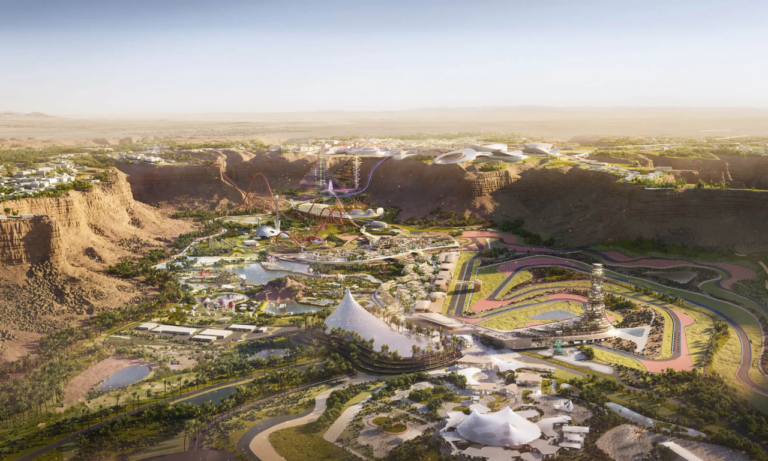
Qiddiya is one of the newest destinations to appear on a Saudi Arabia itinerary, and unlike the country’s historic cities, it has no old town, no established neighbourhoods and no long settled layout to get oriented around. It is a purpose built destination still under construction on the edge of Riyadh, and visitors researching it for the first time often have practical, logistical questions before they get to the question of what rides to go on. This guide focuses on that orientation, where Qiddiya actually is, how it fits into a Riyadh trip, and how to plan the practical side of a visit.
Search for Qiddiya online and you will find plenty written about its rides and its long term ambitions, but comparatively little addressing the basic orientation questions a first time visitor actually needs answered before booking a trip. This guide is deliberately structured differently from a typical Qiddiya write up, treating it the way a visitor would approach any unfamiliar city guide, starting with location, scale and logistics, before getting to what there is to do once you arrive.
Where Qiddiya sits relative to Riyadh
Qiddiya is located roughly 40 to 50 kilometres southwest of central Riyadh, in the Wadi Safar area on the edge of the city’s escarpment. That places it close enough to Riyadh to be a realistic day trip or single overnight addition to a Riyadh based itinerary, but far enough out that it functions as a separate destination in its own right, rather than a district you might stumble into while exploring the capital. Most visitors treat it as a dedicated excursion from a Riyadh base, arranged around the rest of their itinerary rather than combined with central Riyadh sightseeing on the same day.
What kind of destination Qiddiya is
Qiddiya is being developed as a giga project under Saudi Arabia’s Vision 2030 programme, planned as an entire district built around entertainment, sport and culture, eventually including residential, retail, hospitality and educational elements alongside its attractions. As of today, the most established part of the destination is Six Flags Qiddiya City, which opened at the end of 2025, while much of the wider masterplan remains under construction and will open in further phases over time. This matters for planning purposes: Qiddiya today is not yet the fully realised destination described in its long term masterplan, and visitors should base their trip on what is confirmed as currently open rather than the eventual vision.
How much time to set aside
A single day, arriving in the morning and departing in the evening, is the realistic minimum to get proper value from a Qiddiya visit once travel time to and from Riyadh is factored in. Visitors hoping to combine Qiddiya with a heavy schedule of other activities on the same day are likely to find themselves rushed, given the distance from central Riyadh and the scale of what there is to see once you arrive. If your itinerary allows it, treating Qiddiya as a standalone day, with nothing else scheduled either side of it beyond the transfer itself, is the approach most visitors find works best.
How Qiddiya fits into a wider Saudi Arabia trip
For visitors building an itinerary around Riyadh, Qiddiya works well as a dedicated day, bookended by the city’s more established attractions such as Diriyah’s historic At-Turaif district, the National Museum, or Riyadh’s dining and retail scene. It is generally not practical to combine a meaningful Qiddiya visit with a full day of central Riyadh sightseeing, given the distance and the time a proper visit to the site itself requires. Treating Qiddiya as its own day, with a dedicated transfer out and back, tends to produce a better experience than trying to fit it around other plans.
Practical logistics for a first visit
Decide your base. Most visitors stay in central Riyadh and travel out to Qiddiya for the day, since Qiddiya’s own accommodation options are still developing alongside the rest of the destination.
Check current opening status. Because Qiddiya is a phased, long term development, confirm what is actually operating before finalising your itinerary, rather than assuming the full masterplan is complete.
Plan your transfer both ways. Qiddiya is not yet served by rail or metro, so arranging transport for both the outbound and return journey in advance avoids uncertainty at the end of a long day.
Allow for desert road conditions. The route out to Qiddiya crosses open desert terrain, and a driver familiar with the area will generally offer a more comfortable, predictable journey than a self drive rental for visitors unfamiliar with the region.
Understanding Qiddiya’s ambitions versus its current reality
It is worth being clear eyed about the gap between Qiddiya’s long term vision and its current state, since a great deal of the material written about the destination describes the eventual masterplan rather than what a visitor can actually experience today. Qiddiya’s stated ambition is to become a nationwide hub for entertainment, sport and culture, with hundreds of attractions eventually planned alongside residential and commercial development. That is a multi year, phased undertaking, and treating every announcement about the wider project as something you can visit this month is likely to lead to disappointment.
What this means practically is straightforward: build your trip around what is confirmed as open now, primarily Six Flags Qiddiya City, and treat anything beyond that as a bonus if it happens to be operating at the time of your visit, rather than the centrepiece of your plan. This approach also means Qiddiya is a destination worth revisiting over time, since each future trip is likely to reveal a more developed version of the site than the last.
Frequently asked questions
Is Qiddiya part of Riyadh, or a separate destination?
Qiddiya sits roughly 40 to 50 kilometres southwest of central Riyadh, close enough for a day trip but far enough to function as a distinct destination rather than a district within the city itself.
Should I stay in Qiddiya or in Riyadh?
Most visitors currently base themselves in central Riyadh and travel out to Qiddiya for the day, since accommodation within Qiddiya itself is still developing alongside the wider destination.
How much of Qiddiya is actually finished?
Six Flags Qiddiya City is the established, operating anchor of the destination. The wider masterplan, including much of its planned residential, retail and additional entertainment components, remains under construction in phases, so confirm current status before travelling.
Booking transport to Qiddiya
Saudi Cab Co offers fixed price, professionally driven transfers between Riyadh, including King Khalid International Airport, and Qiddiya, with flight tracked pickups and a choice of vehicle sizes for solo travellers, families or groups. Booking both legs of the journey in advance is the most reliable way to plan a Qiddiya day trip around the rest of a Riyadh based itinerary.
Al-Baha, tucked into the Sarawat mountains of southwestern Saudi Arabia, is one of the country’s most overlooked destinations, a cooler, forested region that stands in sharp contrast to the desert landscapes many visitors associate with Saudi Arabia. With juniper forests, mountain viewpoints and traditional stone villages, Al-Baha rewards travellers willing to head off the more established tourist routes. This guide covers the region’s highlights and how to get around them.
Ask most visitors to Saudi Arabia to picture the country’s landscape, and forested mountains rarely come to mind. Al-Baha is the clearest exception to that expectation, and for travellers who have already experienced the country’s deserts, coastlines and cities, it offers a genuinely different side of Saudi Arabia’s geography. This guide sets out what makes the region worth the detour and how to plan around its mountainous, less developed tourism infrastructure.
Al-Baha’s mountain setting
Al-Baha region sits at altitude within the Sarawat range, giving it a noticeably cooler and greener climate than much of the rest of the country, particularly during the summer months when many of Saudi Arabia’s cities are at their hottest. This has long made it a domestic retreat destination, and its forested slopes and mountain scenery are genuinely distinctive within the kingdom.
What to see in Al-Baha
The Sarawat mountains and forests
The mountains surrounding Al-Baha city support forest cover uncommon elsewhere in Saudi Arabia, with juniper woodland across parts of the region contributing to a landscape and climate closer to a highland retreat than a desert destination.
Baljurashi’s old town
Baljurashi, a town within the wider Al-Baha region, preserves a historic old town with traditional stone and mud architecture, giving visitors a tangible sense of the area’s building traditions before modern construction became widespread.
Traditional stone villages
The wider region is known for distinctive stacked stone architecture in some of its older villages, a style shaped by the local terrain and available building materials, and worth seeking out for visitors interested in traditional Saudi vernacular architecture.
Forest parks and viewpoints
Al-Baha’s forest parks and mountain viewpoints offer walking and picnic spots with views across the surrounding valleys, particularly popular with domestic visitors during the cooler months and the summer retreat season.
Combining Al-Baha with the wider southwest
Al-Baha sits within reasonable striking distance of Taif to the north and the Aseer region to the south, and a number of visitors choose to combine it with one or both as part of a wider tour of Saudi Arabia’s southwestern highlands. Each region has its own distinct character, Taif’s rose terraces, Al-Baha’s juniper forests and stone villages, and Aseer’s higher mountain scenery around Abha, so treating them as a connected highland circuit rather than isolated single stops tends to produce a more satisfying trip for visitors with the time to cover more ground.
Getting to Al-Baha
Al-Baha has its own regional airport with domestic connections, offering the most direct route for visitors travelling from Riyadh, Jeddah or other major cities. Road access from neighbouring regions is also common, though the mountain roads leading into the Al-Baha area involve real elevation changes and are best driven by an experienced driver.
Getting around the Al-Baha region
Al-Baha’s key attractions, the forest parks, Baljurashi’s old town and the traditional stone villages, are spread across a mountainous region rather than concentrated in a single town centre. A private vehicle with a driver comfortable on mountain roads is the practical way to see the region properly, particularly given that public transport options across this rural, elevated terrain are limited.
Practical visitor tips
Pack layers. Al-Baha’s elevation means noticeably cooler temperatures than the surrounding lowlands, especially in the early morning and evening.
Allow time for mountain roads. Journeys between the region’s attractions can take longer than the straight line distance suggests, given the terrain.
Visit during the retreat season for the best atmosphere. Al-Baha is at its liveliest during the warmer months, when domestic visitors head to the region to escape the heat elsewhere in the country.
Seek out the stone villages. These are some of the region’s most distinctive sights and are worth building specific time into your itinerary to find.
Book a driver with local route knowledge. Given limited signage and mapping detail for some of the region’s smaller villages and viewpoints, a driver who already knows the area will save considerable time over navigating independently.
A region still finding its tourism footing
Al-Baha has historically drawn far fewer international visitors than Saudi Arabia’s coastal and heritage destinations, and much of its visitor base has traditionally been domestic, families and travellers from within the country seeking a cooler climate escape rather than international tourists following an established circuit. That is gradually changing as Saudi Arabia’s wider tourism infrastructure develops, but Al-Baha still offers something increasingly rare, a genuinely uncrowded destination with real natural and cultural interest, rather than one shaped primarily around international visitor expectations.
This also means visitor infrastructure, signage, English language information and organised tours, is less developed here than in destinations such as AlUla or Riyadh. A knowledgeable local driver becomes correspondingly more valuable in Al-Baha than in more established tourist areas, since navigating to specific viewpoints, forest parks or stone villages often depends on local knowledge that is not always reflected in standard mapping tools.
Frequently asked questions
What makes Al-Baha different from other parts of Saudi Arabia?
Its mountain elevation and forest cover give Al-Baha a cooler, greener climate than much of the rest of the country, making it a popular domestic retreat destination, particularly in summer.
Can I fly directly into Al-Baha?
Yes. Al-Baha has its own regional airport with domestic connections.
Do I need a car to see Al-Baha’s main sights?
A private vehicle, ideally with a driver experienced on mountain roads, is the practical way to reach the region’s spread out attractions, since public transport options are limited across this rural terrain.
What visitors often overlook
Because Al-Baha rarely appears at the top of a Saudi Arabia itinerary, many visitors treat it as a brief detour rather than a destination worth its own dedicated time. This tends to shortchange the region. The contrast between its forested slopes and the desert or coastal landscapes most visitors have already seen elsewhere in the country is genuinely striking, and a rushed half day visit rarely does it justice. Travellers who build in at least an overnight stay, rather than a same day round trip from a neighbouring region, generally come away with a far better sense of what makes Al-Baha distinctive, from cooler evening temperatures to the changing light across the mountain viewpoints at different times of day.
Booking your Al-Baha transport
Saudi Cab Co arranges fixed price, professionally driven transfers to and from Al-Baha’s regional airport, along with vehicles suited to the region’s mountain roads for exploring its forests, old towns and traditional villages. Booking ahead ensures a comfortable, well planned route around one of Saudi Arabia’s most distinctive landscapes.
Najran, close to Saudi Arabia’s southern border with Yemen, has a distinct cultural identity shaped by centuries as a South Arabian trading crossroads. Its traditional mud-brick architecture, historic souqs and nearby pre-Islamic archaeological sites set it apart from other Saudi cities, and give visitors a genuinely different heritage experience. This guide covers Najran’s key sights and how to get around a city where much of the appeal lies in its distinctive local character.
Najran sits at something of a distance, both geographically and culturally, from the parts of Saudi Arabia most familiar to international visitors, and that is exactly what makes it worth the effort for travellers interested in the country’s full diversity rather than a single, homogenous version of it. This guide is written to help visitors understand what makes Najran distinctive and how to plan a trip that gets beyond a quick photo stop at its most recognisable landmark.
Najran’s cultural identity
Najran’s architecture, tall mud-brick buildings with distinctive geometric detailing, reflects a building tradition shared with parts of neighbouring Yemen, a reminder of the region’s historic ties across the current border. This style is visible both in restored heritage buildings and in some working residential areas, giving Najran a visual character that is immediately different from the limestone and modern construction typical of much of the rest of the country.
What to see in Najran
Al-Aan Palace
Also known as the Emirate Palace, this mud-brick fort and palace complex is one of Najran’s most recognisable landmarks, a striking example of the region’s traditional architecture and a useful anchor point for orienting a visit to the old city.
The traditional souq
Najran’s markets, including its traditional dagger, or jambiya, souq, offer an insight into local craft traditions that remain part of everyday life in the city, rather than being staged solely for visitors.
Pre-Islamic archaeological sites
The wider Najran area includes the remains of ancient pre-Islamic buildings, including sites such as Qarn al-Zafaran, which point to the region’s long history as a settled trading centre well before the Islamic era. These sites sit outside the city centre and are best visited with some local knowledge of access and current condition.
The edge of the Empty Quarter
Najran also sits close to the western edge of the Rub’ al Khali, the Empty Quarter, one of the largest sand deserts in the world, giving visitors interested in extending their trip into true desert landscape a realistic starting point.
How much time a Najran visit needs
A focused day is enough to see Al-Aan Palace and the main souq, but visitors wanting to also reach the outlying pre-Islamic archaeological sites, and perhaps get a glimpse of the Empty Quarter’s edge, should allow at least two days in the region. Najran rewards a slower pace generally, its heritage sites are not designed for a rushed circuit, and the city’s relative distance from Saudi Arabia’s other major destinations means most visitors are making a deliberate choice to come here, rather than passing through on the way to somewhere else, which is worth reflecting in how much time is allocated to the visit itself.
Getting to Najran
Najran has its own airport with domestic connections, making it a practical direct entry point given the city’s distance from Saudi Arabia’s central and northern regions. Road travel from Abha and the wider Aseer region is also a common route for visitors combining Najran with the country’s southern mountain areas.
Getting around Najran
Najran’s heritage sites, including Al-Aan Palace, the souqs and the outlying archaeological remains, are spread across a wider area than a typical compact old town, and some of the most significant pre-Islamic sites sit outside the urban centre entirely. A private vehicle, ideally with a driver who knows the current condition and access arrangements for these outlying sites, is the most practical way to see Najran properly in a limited time.
Practical visitor tips
Start at Al-Aan Palace. It is a useful, recognisable anchor point for orienting the rest of a Najran heritage visit.
Ask locally about archaeological site access. Conditions and access at outlying pre-Islamic sites can vary, so check current status before planning a visit.
Visit the souq for genuine local craft. Najran’s traditional markets remain part of everyday commerce, not just a tourist attraction.
Plan for a warm, dry climate. Najran’s proximity to the Empty Quarter means hot, arid conditions for much of the year, so plan outdoor time accordingly.
Consider pairing with Abha. The wider Aseer region’s mountain scenery is a natural complement to Najran’s heritage and desert edge landscape if your itinerary allows for both.
Najran’s place in the region’s history
Najran’s location, close to the current Yemeni border but historically part of a much broader South Arabian cultural sphere, has given it a layered history stretching back well before the Islamic era. The pre-Islamic ruins found around the city, including sites linked to the ancient South Arabian kingdoms that once controlled trade routes through the region, point to a settled, prosperous history connected to the wider incense and spice trade that passed through southern Arabia. This deep history is part of what makes Najran’s architecture and craft traditions feel distinct even today, a living continuation of building and design traditions shared across a region that trade, rather than modern political borders, once defined.
For visitors, this context adds real depth to what might otherwise look like simply an unusual architectural style. Najran is not a curiosity within Saudi Arabia so much as a genuine cultural bridge, reflecting centuries of connection with the wider Arabian Peninsula’s southern reaches.
Frequently asked questions
What is Najran best known for?
Najran is known for its traditional mud-brick architecture, its South Arabian cultural heritage, and nearby pre-Islamic archaeological sites, giving it a distinct identity within Saudi Arabia.
Can I fly directly into Najran?
Yes. Najran has its own airport with domestic connections, offering a direct route rather than a long overland journey.
Is Najran easy to combine with a trip to Abha or the Aseer region?
Yes, the two regions are connected by road, and a number of visitors combine Najran’s heritage sites with Aseer’s mountain scenery in a single southern Saudi Arabia itinerary.
What visitors often overlook
Because Najran sits so far from Saudi Arabia’s more heavily promoted destinations, it is easy for visitors to treat it purely as a checklist stop, a photograph at Al-Aan Palace and little else. That undersells a city with a genuinely distinctive character, from its architecture to its craft traditions to its position at the edge of one of the world’s great deserts. Travellers who allow enough time to walk through the souq at a relaxed pace, ask questions of local traders, and see the outlying archaeological sites properly, rather than rushing between a handful of landmarks, tend to come away with a far richer sense of what makes Najran worth the journey.
Booking your Najran transport
Saudi Cab Co offers fixed price, professionally driven transfers to and from Najran’s airport, along with vehicles for exploring the city’s heritage sites and outlying archaeological locations. Booking ahead ensures a reliable, well informed route around a city where local knowledge genuinely improves the visitor experience.
Saudi Cab Co is an independent transport booking agency. We are not part of, endorsed by or affiliated with the Government of Saudi Arabia, any ministry or any transport authority. We arrange journeys with vetted Saudi-based transport partners and do not issue visas, permits or official approvals.