Reviewed travel guidance. This article is general planning guidance for visitors arranging ground transport in Saudi Arabia. Always check current entry requirements and airline policies before you travel.
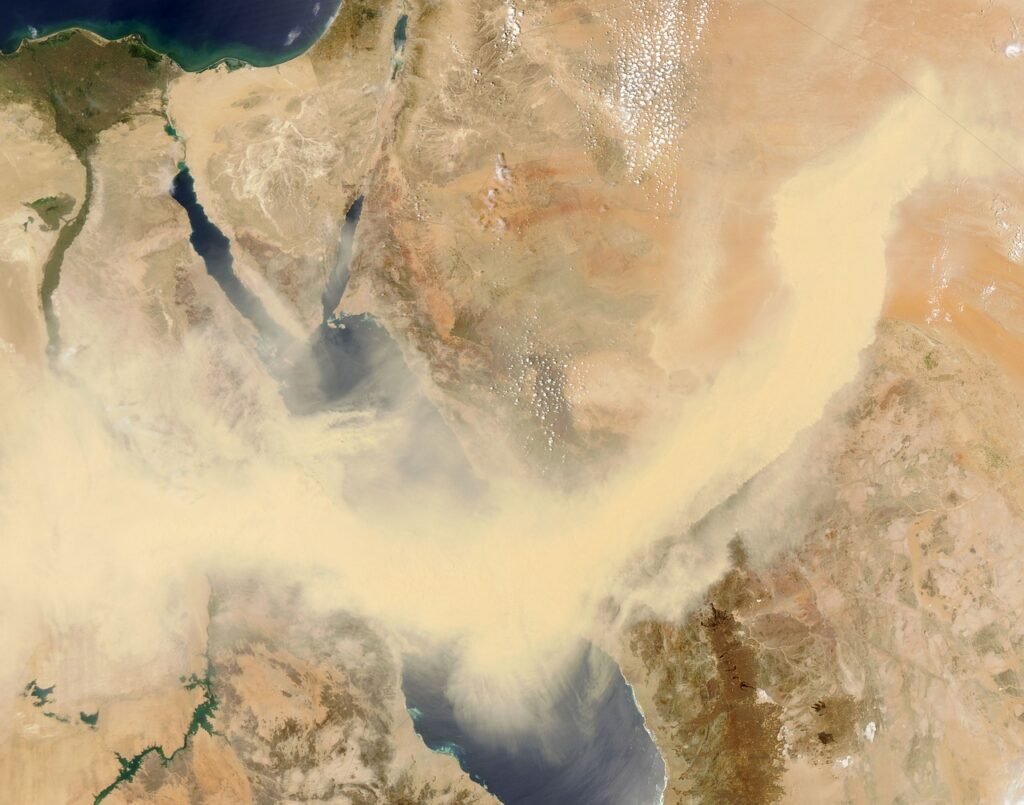
Jazan sits at the far south-western edge of Saudi Arabia, a Red Sea region of coastal plains, terraced coffee mountains and offshore islands that has had far less exposure to international visitors than Riyadh, Jeddah or the AlUla trail. That is starting to change as tourism promotion extends further south, but the transport infrastructure and information available to a first-time visitor are noticeably thinner than in the established cities. The climate adds another layer of planning: the coast is hot and humid for most of the year, while the mountain interior is noticeably cooler, and that contrast affects when travellers choose to visit and how comfortable a long road transfer will feel. This guide sets out what to expect when arranging ground transport around Jazan, from the airport to the coast and into the mountains, and where to plan with extra care.
Why Jazan is on the map now
Jazan has traditionally been visited by domestic travellers rather than international ones, largely for its distinctive geography rather than any single headline attraction. The region combines a Red Sea coastline, a scattered archipelago in the Farasan Islands, and a mountainous interior where terraced farms produce some of the country’s coffee, grown on steep stone terraces that have been maintained by local farming families for generations. As Saudi Arabia’s tourism sector opens up more broadly, official promotion has started to include Jazan and the wider south-west alongside better-known destinations, and general background on the region is available through visitsaudi.com, the Saudi Tourism Authority’s official site.
For a business traveller, the draw is more likely to be a specific project, agricultural or fisheries sector meeting, or a conference tied to regional development, since Jazan’s economy is closely tied to farming, fishing and cross-border trade. For a leisure traveller, it is usually the islands, the mountain scenery or simply an interest in a part of the country that is not yet a standard stop on the tourist circuit. Either way, the practical planning is different from a first trip to Riyadh or Jeddah, and it is worth treating Jazan as a destination that rewards more preparation, not less. Visitors who plan their ground transport in advance, rather than assuming they can arrange it on the spot, tend to have a smoother trip overall.
Arriving by air: Jazan’s airport and first-mile transport
Jazan is served by a regional airport connected to Saudi Arabia’s main domestic network, with flights typically routing through Riyadh or Jeddah rather than direct from most international origins. As with any airport in the kingdom, the operational detail that matters most to a traveller, terminal layout, arrivals procedures and any changes to services, is best confirmed close to your travel date through gaca.gov.sa, the General Authority of Civil Aviation.
Because Jazan’s airport handles a fraction of the traffic of Riyadh or Jeddah, do not assume the same density of on-arrival services. Fewer international carriers means fewer rental desks and less English-language signage in places, and it is sensible to arrange your first transfer before you land rather than expecting a wide choice of options to be waiting outside the terminal. A pre-booked pickup removes one variable from a trip where several others, flight timing, connections and local availability, are already less predictable than in the bigger hubs. This matters even more if you are arriving late in the evening, when fewer staff and services are typically on hand at a smaller regional airport than at a major international one.
Getting around Jazan City and the coast
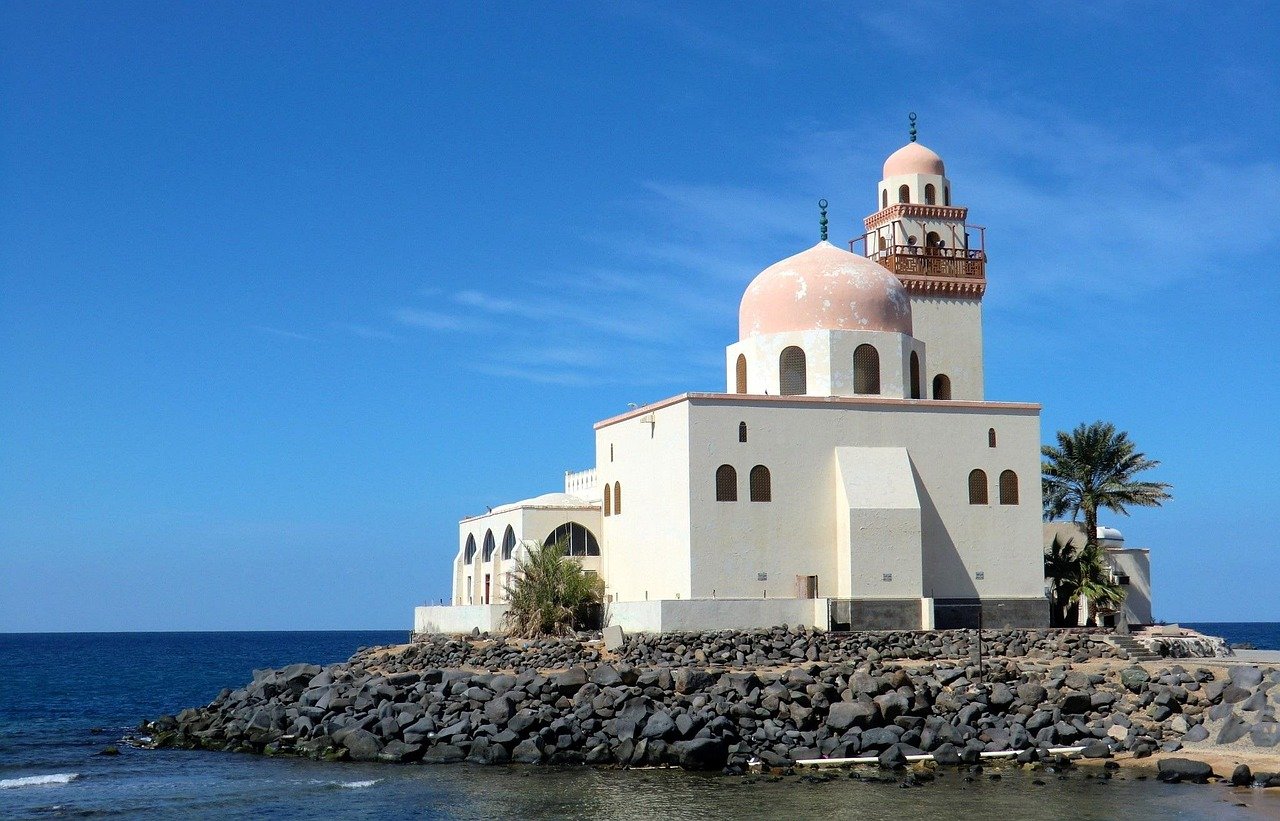
Jazan City itself is a manageable, low-rise coastal city, and most business and leisure itineraries within it involve short point-to-point journeys, hotel to meeting venue, city centre to the corniche, or city to port for an island crossing. Ride-hailing apps operate in the region, but coverage and driver availability are noticeably thinner than in Riyadh or Jeddah, particularly outside normal working hours.
For anyone with a fixed schedule, whether that is a meeting time, a flight connection or a boat departure to the islands, a pre-arranged private transfer is a more reliable way to plan than relying on picking up a ride on demand. This matters more in Jazan than in a city with dense taxi and app coverage, where a short wait rarely disrupts a day. Heat is also a practical factor along the coast for much of the year, and travellers who plan to walk between appointments or wait outside for transport often find a scheduled pickup far more comfortable than an open-ended wait.
- Confirm pickup and drop-off points clearly in advance, since street naming and landmark recognition are less standardised than in major cities.
- Build extra time into transfers to and from the port for island crossings, as boat schedules are not always flexible.
- If your itinerary includes evening or early-morning movements, arrange these ahead of time rather than expecting on-street availability.
- Keep a note of your hotel’s Arabic name and address, which is useful if a driver needs it confirmed by phone.
- Where possible, group your appointments or errands into a single loop rather than multiple separate trips, since this reduces how often you need to arrange a fresh pickup.
Reaching the Farasan Islands
The Farasan Islands are the best-known reason a leisure traveller comes to Jazan specifically. The archipelago sits off the coast, known locally for its coral reefs, mangrove shorelines and coastal wildlife, and is reached by a ferry crossing from the mainland, which means your ground transport plan has to account for a fixed departure point and a crossing time rather than a straightforward road journey. The practical sequence is usually a transfer from your accommodation to the ferry terminal, the crossing itself, and then arranged transport on the islands, since car hire and taxi availability there is limited compared with the mainland.
Because ferry timetables and capacity can change with demand and season, this is a leg of the trip where it pays to confirm the crossing schedule as close to your travel date as possible rather than working from information gathered months in advance. Building a comfortable margin into your mainland transfer, rather than timing it to the minute, reduces the risk of missing a sailing because of an earlier delay elsewhere in the day. If your visit includes an overnight stay on the islands, it is worth confirming return crossing times as well, since a missed afternoon departure can mean waiting until the following day.
The mountain interior, border-area caution and onward travel to Abha
Inland from the coast, Jazan’s terrain rises into mountains where coffee is grown on stone terraces, a landscape that is visually distinct from most of the rest of Saudi Arabia and is part of what makes the region interesting to visit. These mountain roads are winding, and journey times between villages can be longer than the map distance suggests, so a private transfer with a driver familiar with the terrain is generally a more comfortable option than self-navigating. The cooler air at altitude is itself part of the appeal for visitors escaping the coastal heat, and it is worth allowing a slower pace for this part of a trip rather than treating it as a quick detour.
Jazan also sits close to Saudi Arabia’s southern border, and this is genuinely important for a transport guide rather than incidental colour. Before finalising any itinerary that takes you towards the border area, check the current position on gov.uk’s foreign travel advice for Saudi Arabia, which sets out the areas where the UK government advises against travel or advises extra caution, and cross-reference it with the equivalent travel.state.gov advisory if you hold a US passport. Neither advisory is something a transport provider can substitute for, and any itinerary or transfer route through the southern part of the region should be planned around whatever the current guidance says at the time of your trip, not around what was true when this article was written.
Many visitors to Jazan combine it with Abha and the Aseer region further north, which has a more established tourism presence, cooler mountain climate and better air and road links to the rest of the country. The road between the two regions climbs through mountain terrain and is a genuine driving route rather than a quick hop, so travellers connecting Jazan and Abha by road should plan it as a full day’s transfer with a driver experienced on mountain roads, not as an add-on to a packed schedule. For most itineraries, flying between the two and using ground transport locally in each is the more time-efficient approach, particularly for business travellers working to a fixed schedule. If the road journey itself is part of the appeal, that is a reasonable choice, but it should be booked as a dedicated day with a realistic amount of time set aside, rather than squeezed between two other commitments.

Frequently asked questions
Q: Is Jazan easy to visit as a first-time visitor to Saudi Arabia? A: It is accessible but less developed for tourism than Riyadh, Jeddah or Abha, so it suits visitors comfortable with less English-language infrastructure and fewer on-demand transport options, or those who arrange transfers in advance.
Q: How do I get from Jazan airport to my hotel? A: A pre-booked private transfer is the most reliable option given the airport’s smaller scale and lighter service coverage compared with the main hub airports.
Q: Do I need a private transfer to reach the Farasan Islands, or can I drive myself? A: You can drive to the ferry terminal yourself, but a pre-arranged transfer removes the uncertainty around parking and timing, which matters because ferry departures are fixed and not flexible.
Q: Is it safe to travel to all parts of the Jazan region? A: Check the current gov.uk foreign travel advice for Saudi Arabia, or the equivalent travel.state.gov advisory, before finalising any itinerary that goes near the southern border, since guidance on specific areas can change.
Q: How long does it take to travel by road between Jazan and Abha? A: It is a mountain road route best planned as a full day with a driver experienced on that terrain, rather than a quick connection between other commitments.
Q: Is ride-hailing reliable in Jazan City? A: Apps operate in the region but coverage and driver availability are thinner than in Riyadh or Jeddah, especially outside normal working hours, so pre-arranged transport is more dependable for fixed schedules.
If you would like a fixed-price quote tailored to your itinerary, Saudi Cab Co can arrange the right vehicle for your trip in advance. Get in touch before you travel and we will match your booking to exactly what you need.