Fleet Options for Airport VIP and Diplomatic Transfers
Reviewed travel guidance. This article is general planning guidance for visitors arranging ground transport in Saudi Arabia. Always check current entry requirements and airline policies before you travel.
Airport arrivals for VIP delegations, diplomatic missions and senior executives carry a different set of demands to a standard business transfer. Timing, discretion, vehicle presentation and coordination with airport staff all matter, and a booking made at the last minute rarely delivers the standard these trips require. This guide sets out how fleet selection and airport logistics work together for VIP and diplomatic transfers in Saudi Arabia, so travel coordinators and personal assistants can plan with confidence well ahead of the flight.
What makes a VIP or diplomatic airport transfer different
A standard airport pickup is largely about matching a vehicle to a passenger count and getting from the terminal to the destination efficiently. VIP and diplomatic movements add layers on top of that. There may be a principal travelling with aides, security personnel or family members who need to move as one coordinated group rather than several separate bookings. There is often a protocol requirement, such as an escort waiting airside, a specific arrival gate, or a preference to avoid the general arrivals hall entirely. And there is usually far less tolerance for delay, since a delegation’s onward schedule, a meeting start time, or a formal welcome may be fixed and unmovable.
None of this changes the basics of what a taxi or chauffeur service does. It changes how much is arranged before the flight lands, and how much flexibility the operator needs to hold in reserve for the day itself. A delegation arriving for a government meeting, an international conference, or a corporate signing event will usually have a fixed schedule waiting on the other side of arrivals, and the ground transport is the first link in that chain. If it slips, everything booked after it slips too.
It is also worth separating VIP transfers from diplomatic ones, since the two overlap but are not identical. A VIP transfer is generally driven by seniority, comfort and discretion, such as a chief executive or a celebrity guest who wants a smooth, low-profile arrival. A diplomatic transfer usually adds a layer of formal protocol on top, including accredited escorts, fixed greeting points, and sometimes coordination with a host government office or embassy. Both benefit from the same underlying planning discipline, but a diplomatic booking typically needs more lead time and more precise confirmation of who is authorised to change the plan on the day.
Vehicle classes suited to VIP and diplomatic movements
Fleet choice for this kind of transfer is driven less by luggage volume and more by presentation, comfort over longer waits, and the ability to move a full party together where that matters.
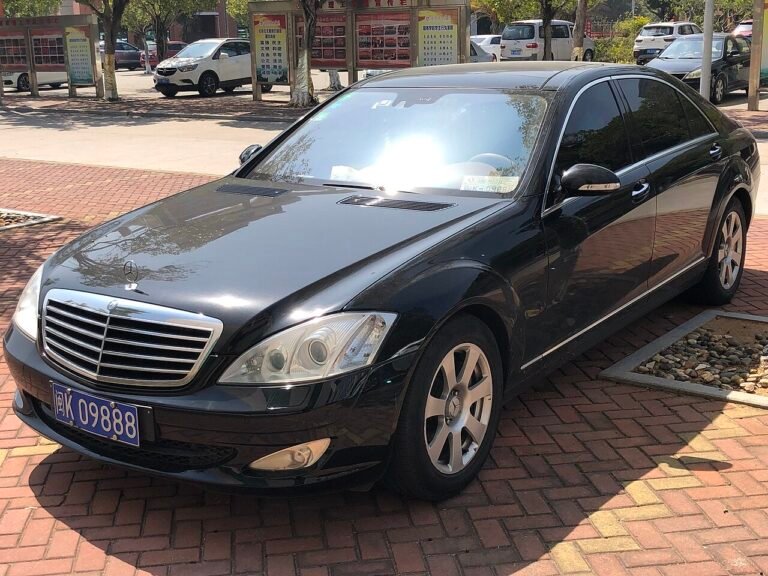
Executive sedans are the default for a single principal or a principal travelling with one aide. They are discreet, comfortable for longer intercity legs, and easy to position kerbside or in a designated pickup bay without drawing attention.
Luxury SUVs suit delegations that need extra presence, additional luggage capacity, or a slightly raised ride height that some principals prefer for ease of entry and exit.
Premium MPVs and larger vans come into play when a delegation, family group or protocol party needs to travel together rather than split across several cars, which also simplifies coordination if there is a security escort involved.
Multi-vehicle convoys are sometimes requested for diplomatic parties, typically a lead car, the principal’s vehicle, and a following vehicle for aides or luggage, all booked and briefed as a single coordinated movement rather than three independent trips.
Whichever class is chosen, the practical difference for VIP work is consistency: the same driver and vehicle standard for the whole trip, confirmed in advance rather than assigned on the day.
Meet and greet, fast track and airside coordination
For most business and leisure passengers, a meet and greet service means a driver holding a name board just past arrivals. For VIP and diplomatic parties, the coordination usually needs to go further back into the airport process itself. This can include a representative positioned closer to the gate or immigration area where airport rules allow it, coordination with airline or ground handling staff on timing, and a route through the terminal that avoids the busiest concourses at peak arrival times.
Airport-specific rules on meet and greet access, escort permissions and any fast track facilities are set by the airport operator and Saudi Arabia’s civil aviation authority, and they can vary between terminals and change over time, so it is worth checking current procedures through the General Authority of Civil Aviation or directly with the airport before finalising arrangements for a sensitive arrival. Building in a buffer around the scheduled landing time is also sensible, since immigration processing time for a VIP party is not always shorter than for other passengers, even when other elements of the arrival are expedited.
A well planned VIP pickup also accounts for what happens if the flight is delayed. That means confirming with the transport provider in advance how flight tracking works, whether waiting time is built into the booking, and how a change of arrival time is communicated to the driver on the ground rather than left to a phone call once the passenger has already landed.
Security, privacy and protocol considerations
Diplomatic and high profile business travel often comes with genuine security and privacy requirements that go beyond a normal transfer. Some of the practical points worth confirming with a transport provider before the trip include:
Whether the vehicle and driver details can be shared only with a named protocol officer or security lead, rather than circulated more widely
Whether the driver is briefed to follow instructions from an accompanying security team on route and stopping points, rather than defaulting to a fixed itinerary
Whether luggage handling should be minimal or hands-off, for parties travelling with sensitive materials
Whether the vehicle needs to wait in a specific, pre-agreed position rather than a general pickup zone
These are reasonable requests for a professional operator to accommodate, but they need to be raised well before the day of travel so the right vehicle, driver and briefing are in place. Coordinators arranging travel for official or diplomatic visitors should also review the relevant government guidance for the visit, including the UK Foreign, Commonwealth and Development Office travel advice and, for US delegations, the US State Department’s Saudi Arabia country information page, since both are updated with practical guidance that can affect movement planning around official visits.
Booking a VIP or diplomatic transfer in advance
The single biggest factor in a smooth VIP or diplomatic airport transfer is how far ahead it is arranged. Same-day or next-day requests can often still be filled with a good standard vehicle, but the level of coordination this article describes, meet and greet positioning, convoy briefing, security handling, protocol matching, needs lead time to set up properly. When briefing a transport provider, it helps to confirm:
Full flight details and an alternative contact for real-time changes
Number of travellers, luggage volume and whether the party needs to move as one group or can be split across vehicles
Any protocol requirements, such as a specific greeting point, a named escort, or a preference for unmarked vehicles
The onward schedule, since a fixed meeting time downstream affects how much buffer to build into the airport leg
Language requirements for the driver or any additional staff involved in the handover
Visitors planning an official or high profile trip to Saudi Arabia may also find it useful to review general destination information from the Saudi Tourism Authority when confirming logistics around the visit, alongside whatever protocol briefing their own delegation or hosting organisation provides. None of this replaces direct coordination with hosts, security teams or embassy staff where a visit is official in nature, but it gives a transport provider the context needed to match the right vehicle and driver to the trip rather than treating it as a routine pickup.
Multi-city itineraries add another layer worth planning for. A delegation that lands in one city for an opening session and then travels on to a second city for further meetings needs the same standard of vehicle and coordination repeated at every leg, not just at the first airport. Confirming the full itinerary with the transport provider at the outset, rather than booking each leg separately as it comes up, makes it easier to keep the same standard of driver, vehicle presentation and briefing throughout the trip, and reduces the number of handovers where details can be lost.
Frequently asked questions
Q: How far in advance should a VIP or diplomatic airport transfer be booked? A: For anything beyond a standard single-passenger pickup, aim to confirm the booking at least several days ahead, and earlier still if a multi-vehicle convoy, protocol coordination or airside meet and greet is involved.
Q: Can a driver meet a delegation before the arrivals hall? A: This depends on the airport’s own rules on terminal access and any escort permissions in place at the time, so it needs to be confirmed with the airport or checked through the General Authority of Civil Aviation rather than assumed.
Q: What is the difference between a luxury transfer and a diplomatic transfer? A: A luxury transfer is primarily about vehicle standard and comfort, while a diplomatic transfer typically adds protocol, security coordination and group movement requirements on top of the same vehicle classes.
Q: Should a delegation travel in one vehicle or several? A: This depends on party size, luggage and whether a security escort is involved. Larger groups or those with an escort are often better served by a small coordinated convoy rather than a single large vehicle.
Q: What happens if a VIP delegation’s flight is delayed? A: A properly briefed transport provider tracks the flight and adjusts pickup timing accordingly, so it is worth confirming this process and how waiting time is handled before the trip.
Q: Do diplomatic transfers cost more than standard executive transfers? A: Pricing generally reflects the vehicle class and level of coordination required, such as convoy planning or additional waiting time, rather than the passenger’s title, so it is best to discuss the specific requirements directly with the provider.
If you would like a fixed-price quote tailored to your itinerary, Saudi Cab Co can arrange the right vehicle for your trip in advance. Get in touch before you travel and we will match your booking to exactly what you need.
Booking a Driver for a Full Day at Your Disposal: How Hourly Hire Actually Works
Reviewed travel guidance. This article is general planning guidance for visitors arranging ground transport in Saudi Arabia. Always check current entry requirements and airline policies before you travel.
A single point to point transfer covers one journey. An hourly hire booking, sometimes called a car and driver “at disposal,” covers your whole day, with the same vehicle and driver waiting between stops rather than being rebooked each time you move. For a conference delegate juggling three venues, a business traveller with back to back meetings across a city, or a family wanting to see several sights without negotiating a new taxi at every stop, this is a genuinely different way of using ground transport. It is also one of the least understood booking options, so this guide sets out exactly how it works in practice, what to confirm before you book, and how to plan a day that actually makes use of the flexibility you are paying for.
What “at your disposal” actually means
When you book a driver at disposal, you are not booking a fixed route. You are booking a block of time, typically a set number of hours, during which the vehicle and driver remain assigned to you and available on request. Between stops, the driver waits (or holds nearby, depending on parking) rather than driving off to another job. This is the core difference from a standard transfer: you are paying for availability and flexibility across the day, not for a specific distance covered.
In practice this suits itineraries with multiple stops that are not known precisely in advance, or where timing is likely to shift, such as a site visit that runs long or a meeting that gets rescheduled. A typical example is a morning of back to back meetings followed by an afternoon that only firms up once the first meeting has finished, where a fixed transfer booked in advance simply cannot flex to match. If your day is a single, fixed A to B journey with a known departure time, a standard transfer is usually the simpler and more cost effective choice.
How the booking window and minimum hours work
Full day hourly hire is normally sold in blocks, most commonly a half day or a full day, with a defined start time and a minimum number of hours built into the price. Going over that block usually means an additional hourly charge rather than a flat penalty, so it helps to give a realistic estimate of your day’s length when you book rather than understating it to get a lower quote. Operators generally prefer an honest estimate at the outset, since it lets them plan the driver’s schedule properly rather than reworking it midway through the day.
A few things worth confirming before the day itself:
The exact start and end time the hours are calculated from, and what happens if your first pickup runs early or late.
Whether waiting time between stops is included within the booked hours or billed separately once it passes a certain length.
Whether the driver can wait inside a venue’s car park or must circle nearby, since parking access varies by building and by city.
What the extension process looks like if your day runs over, so you are not negotiating a new rate mid afternoon.
Confirming these points at booking, in writing, avoids the most common source of disagreement at the end of a long day, which is a mismatch between what the traveller assumed was included and what the operator had actually quoted for. A short written confirmation of the block length, the start point, and the expected number of stops is usually enough to prevent this.
What is typically included, and what usually is not
Fuel, the driver’s time within the booked hours, and standard waiting at each stop are generally built into the quoted price for hourly hire. Tolls, parking fees at specific venues, and any distance driven well outside the city you started in are the areas most likely to be charged as extras, so it is worth asking directly rather than assuming. If your day includes an intercity leg, for example a business trip that combines meetings in one city with a same day visit to another, treat that as a distinct question at booking rather than an assumption folded into the hourly rate.
Drivers working a full day also need reasonable breaks, in line with normal working practice, and this is worth factoring into how tightly you pack the schedule. A day built with no slack at all tends to produce delays by the afternoon simply because there is no room to absorb even a small disruption such as heavier than expected traffic. Building in even a modest buffer between stops, particularly around midday, tends to keep the rest of the day on schedule.
Choosing the right vehicle for a disposal day
Because you are committing to one vehicle for several hours, it is worth matching the vehicle class to the actual shape of the day rather than defaulting to whatever looks most comfortable. A saloon suits a single traveller moving between meetings with hand luggage only. An SUV or larger vehicle makes more sense if the day includes site visits with equipment, several colleagues travelling together, or stops where a higher ride height and more luggage space genuinely help. For MICE and conference groups, a van or minibus booked at disposal can be more efficient than several separate saloon bookings running in parallel, since it keeps a group together and simplifies coordination between sessions.
It is also worth thinking about whether the day requires a vehicle suited to city driving only, or one that will comfortably handle a stretch of highway if a stop takes you outside the immediate metropolitan area. Confirming this at booking means the right vehicle turns up in the first place, rather than adjusting expectations once the day has already started. Where the day mixes formal meetings with a site visit or an airport run, it is often simpler to book one vehicle class that comfortably covers every leg rather than trying to save on the quote by under-specifying and hoping the day goes smoothly.
Who tends to use full day hourly hire
Three groups make up most of the demand for this kind of booking. Business travellers with a schedule of meetings across a city, where the exact order or timing may shift during the day, benefit from not having to rebook a taxi between each appointment. Conference and MICE delegates attending multi venue events, where a morning session, an afternoon exhibition hall, and an evening dinner might all be in different parts of the city, use disposal bookings to move between them without losing time waiting for transport to arrive. Leisure travellers and families wanting to see several attractions in one day, without the friction of arranging a new ride at each stop, are the third common use case, particularly where an itinerary includes stops that are a short drive apart rather than a single long sightseeing route.
Saudi/GCC domestic residents also use hourly hire for practical reasons that do not fit a single fixed transfer, such as a day combining a business meeting, a family visit, and an airport drop off for a relative, all within the same booking. In each of these cases, the common thread is a day with more than one destination and at least some uncertainty about timing, which is exactly where a fixed point to point transfer starts to feel restrictive.
Planning your itinerary to get the most from the booking
The value of hourly hire comes from flexibility, but it still helps to plan the shape of the day in advance rather than treating it as entirely open ended. A rough running order, with approximate timings for each stop, gives the driver a clear picture of the day and makes it easier to flag early if the schedule looks tight. If your plans include areas you have not visited before, the Saudi Tourism Authority’s visitsaudi.com is a useful starting point for what is genuinely worth building into a day’s itinerary, and it can help you judge realistic timings between attractions before you finalise the booking.
If your day includes any air travel, whether an early meeting followed by a departure or an arrival that kicks off the rest of the itinerary, check current airport and flight information in advance. General aviation and airport guidance is available from the General Authority of Civil Aviation, and it is worth building a sensible buffer around any airport leg within the day’s plan, since airport traffic and security processing times can vary. A day that ends at the airport rather than starting there is also worth flagging at booking, since it changes where the vehicle and driver need to be released.
Frequently asked questions
Q: What is the minimum booking length for hourly hire? A: This varies by operator, but half day and full day blocks are the most common options. Ask what the minimum is when you request a quote, since a very short trip may be better served by a standard point to point transfer.
Q: Can I change my itinerary during the day once the booking has started? A: Generally yes, that flexibility is the main point of an at disposal booking. Extra stops beyond what was discussed at booking may extend the total hours used, so keep the driver informed as your plans firm up.
Q: Is waiting time between stops charged separately? A: Reasonable waiting time is usually included within the booked hours. Very long waits, for example several hours at a single venue, are worth flagging at booking so the quote reflects the actual shape of your day.
Q: What happens if my day overruns the booked hours? A: Most operators allow an extension at an additional hourly rate rather than treating it as a breach of the booking. Confirm this process in advance so it is a simple conversation on the day rather than a surprise at the end.
Q: Is hourly hire more expensive than booking several separate transfers? A: It depends on how many stops your day involves and how much waiting time sits between them. For a day with three or more stops and any uncertainty in timing, hourly hire is often more practical even where the headline cost looks similar to separate transfers.
Q: Can a group book one larger vehicle instead of several cars? A: Yes, and for conference groups or families this is usually simpler to coordinate. Confirm luggage and passenger numbers when you book so the right vehicle size is assigned from the start.
If you would like a fixed-price quote tailored to your itinerary, Saudi Cab Co can arrange the right vehicle for your trip in advance. Get in touch before you travel and we will match your booking to exactly what you need.
Group Vans and Minibus Hire for Corporate Site Visits and Delegations
Reviewed travel guidance. This article is general planning guidance for organisers arranging group ground transport in Saudi Arabia. Always check current entry requirements and airline policies before you travel.
When a delegation of ten, fifteen or twenty people lands for a conference, a site visit or a multi-day business programme, the transport plan is rarely a single journey. It is a sequence of pickups, venue transfers and return runs that all have to work together without delegates being split across cars or left waiting outside a hotel lobby. Group vans and minibuses solve a coordination problem that a fleet of separate sedans cannot, and getting the vehicle size and booking structure right early saves a lot of last-minute scrambling once the group is on the ground.
Why group vehicles beat multiple sedans for delegations
The obvious appeal of a minibus or group van is capacity, but the bigger advantage for corporate organisers is control. A delegation travelling in three or four separate sedans arrives in three or four separate waves, which makes timed meetings, factory tours and conference check-ins harder to manage than they need to be. A single group vehicle keeps everyone together, moving to one schedule, with one driver who already knows the day’s itinerary rather than several drivers each working from a different brief.
There is also a practical cost and logistics benefit. Coordinating one booking, one pickup point and one point of contact is simpler for a travel coordinator or executive assistant than managing several individual bookings, each with its own confirmation and driver contact. For recurring programmes, this also sits naturally alongside a corporate account, where a named account manager and consolidated invoicing remove the need to raise separate payment approvals for each leg of a multi-day itinerary.
Matching vehicle size to group size and luggage
Getting the vehicle size right is the single most common planning mistake for group bookings. A minibus rated for a given number of seats is not always comfortable at full capacity once luggage, laptop bags and conference materials are added, so it is worth thinking in terms of practical capacity rather than maximum seat count.
Small groups (4 to 6 people): a larger MPV or people-carrier is usually more comfortable than a minibus, with room for cabin bags and equipment cases.
Mid-size delegations (7 to 14 people): a standard group van is the natural fit, particularly for a single hotel-to-venue transfer where luggage is limited.
Larger delegations (15 to 25+ people): a full minibus, or more than one vehicle travelling together, keeps the group manageable without overcrowding.
Multi-day programmes with heavy luggage or display materials: flag this at the time of booking so a vehicle with proper boot or trailer capacity is arranged, rather than discovering a shortfall at pickup.
If a delegation is likely to split for parts of a trip, such as some attending a factory tour while others stay at the conference venue, it is worth booking two smaller vehicles from the outset rather than one large one that runs part-empty for half the itinerary.
Planning multi-stop itineraries and site visits
Corporate site visits rarely involve a single point-to-point transfer. A typical day might include an airport pickup, a hotel drop, a morning meeting, an afternoon facility tour and an evening dinner, often across a city where journey times can vary with traffic. When booking a group vehicle for this kind of itinerary, it helps to give the operator the full day’s schedule in advance rather than booking each leg separately, so the driver and vehicle are allocated with the whole day in mind rather than treated as a series of unconnected trips.
Building in a reasonable buffer between stops matters more for a delegation than for a single traveller, since a group moving between a vehicle and a building takes noticeably longer than one or two people. A ten or fifteen minute allowance either side of a scheduled stop is usually enough to avoid a packed itinerary running late by the third or fourth transfer of the day.
For delegations arriving by air, it is worth checking the airport’s own guidance on terminal layout and processing times before finalising pickup timing, since these can affect how quickly a group of ten or more clears arrivals together compared with a single traveller. The General Authority of Civil Aviation publishes current information for Saudi airports that is useful when building a realistic arrival buffer into a group’s first transfer of the trip.
Booking structure: single transfers, day rates and multi-day hire
Group vehicle hire is usually offered in a few different structures, and choosing the right one depends on how the delegation’s schedule is shaped.
Single fixed transfers suit a delegation that only needs point-to-point movement, such as an airport pickup and a single hotel-to-venue run, with no need for the vehicle to wait around between stops.
Day rate or hourly hire makes sense when a group has an itinerary with multiple stops across a single day, since it keeps the same vehicle and driver on standby rather than booking each leg as a separate journey.
Multi-day hire is generally more efficient for conference programmes running several days, since the driver becomes familiar with the group’s routine and the vehicle does not need to be reconfirmed each morning.
Whichever structure suits the itinerary, agreeing a fixed price in advance rather than a metered fare is worth doing for any group booking, since it removes the uncertainty of a running fare across a day that may not go exactly to plan.
Practical considerations for delegation organisers
A few details tend to make the difference between a group transport plan that runs smoothly and one that causes friction on the day.
Nominate a single point of contact. One coordinator communicating with the driver or transport provider avoids conflicting instructions reaching the vehicle from different members of the group.
Confirm the pickup point precisely. Large hotels and conference centres often have several entrances, and a vague “outside the hotel” instruction is a common source of delay for group pickups.
Share dietary or accessibility needs early. If any delegate requires an accessible vehicle or a particular seating arrangement, flag this at the time of booking rather than at pickup.
Build in contingency for flight delays. International delegates arriving on connecting flights should have some flexibility built into the pickup window, particularly for the first transfer of a programme.
Keep a printed or digital itinerary with the driver. A driver working from the full day’s schedule, rather than being told the next stop as the day unfolds, keeps the group moving more efficiently.
For delegates travelling into Saudi Arabia for the first time, it is worth pointing them towards general planning resources such as Visit Saudi, the Saudi Tourism Authority’s site, which covers practical basics useful alongside a transport plan. UK-based organisers should also check the current gov.uk foreign travel advice for Saudi Arabia before finalising travel dates, and US-based delegations can refer to the equivalent travel.state.gov Saudi Arabia advisory.
Working with a corporate account for recurring delegations
Organisations that host delegations more than occasionally, whether for regular investor visits, recurring training programmes or a steady flow of conference attendees, generally find it more efficient to set up a corporate account rather than booking each group trip individually. A corporate account structure typically brings a named account manager who already understands the organisation’s usual venues and preferences, consolidated invoicing so individual transfers do not each need separate payment approval, and reduced rates reflecting the recurring volume of bookings.
This structure also helps with short-notice changes, which are common with delegation travel when a meeting shifts by an hour or a flight is rescheduled. Having an existing account relationship, rather than starting from a fresh booking each time, generally makes it easier to request a vehicle change or an additional transfer at short notice.
Frequently asked questions
Q: How many people fit comfortably in a standard group van versus a minibus? A: A group van typically suits around 7 to 14 passengers comfortably with moderate luggage, while a minibus is better suited to 15 or more. The right choice depends on both group size and how much luggage or equipment is travelling with the delegation.
Q: Can we book a group vehicle for a single day with multiple stops rather than separate transfers? A: Yes, day rate or hourly hire is designed exactly for this, keeping one vehicle and driver available across a full day’s itinerary rather than booking each leg as a standalone transfer.
Q: Do we need to book well in advance for a large delegation? A: Booking ahead is strongly recommended for groups above around ten people, particularly during busy conference periods, since larger vehicles are a smaller share of any fleet and demand can be higher around major events.
Q: Can a delegation split into two vehicles if part of the group has a different schedule? A: Yes, this is common when part of a delegation attends a site visit while others remain at a conference venue. It is best to flag this split at the time of booking so two appropriately sized vehicles are arranged from the start.
Q: Is a fixed price available for multi-stop corporate itineraries? A: Fixed pricing agreed in advance is generally preferable for group bookings with multiple stops, since it avoids the uncertainty of a running metered fare across a day that may not go exactly to schedule.
Q: What if our delegation includes someone who needs an accessible vehicle? A: Let the transport provider know at the time of booking so an appropriate vehicle can be arranged alongside the rest of the group, rather than raising it on the day.
If you would like a fixed-price quote tailored to your itinerary, Saudi Cab Co can arrange the right vehicle for your trip in advance. Get in touch before you travel and we will match your booking to exactly what you need.
Executive Sedan vs Premium SUV: Choosing the Right Vehicle for a Business Trip
Reviewed travel guidance. This article is general planning guidance for visitors arranging ground transport in Saudi Arabia. Always check current entry requirements and airline policies before you travel.
Booking ground transport for a Saudi business trip usually comes down to one practical decision: sedan or SUV. The choice affects how you arrive at a client meeting, how much room you have for laptops and sample cases, and how comfortable a long intercity leg feels after a full day of meetings. This guide sets out the real differences between the two vehicle classes so you can match the booking to the itinerary rather than defaulting to whichever option happens to be available.
What actually separates an executive sedan from a premium SUV
An executive sedan is built around a quiet, low, planted ride. Cabin noise is minimal, the seating position keeps you close to the road, and the boot is sized for two to three pieces of business luggage rather than a full team’s kit. A premium SUV sits higher, offers a taller door opening that is easier to step in and out of in formal clothing, and generally carries more luggage volume, including room for a folded suit carrier laid flat. Neither vehicle is objectively better. The right choice depends on who is travelling, how much they are carrying, and what kind of roads the trip involves.
The distinction matters more in Saudi Arabia than it might elsewhere, simply because of the range of journeys a single business trip can involve. A traveller might land at an airport, transfer directly to a downtown hotel on well-surfaced motorway, then the next day visit a client site on the edge of the city where roads are newer and less predictable. Thinking of the sedan and the SUV as two different tools for two different jobs, rather than one being an upgrade on the other, makes the booking decision much simpler once you know what each leg of the trip actually requires.
Luggage, group size and comfort for business travel
Most single business travellers with a carry-on and a laptop bag are comfortable in a sedan. Once a trip involves two travellers with full-size cases, product samples, or presentation materials, an SUV’s extra boot volume removes the guesswork. This is where a lot of avoidable friction happens on business trips: a boot that is technically large enough on paper can still be awkward in practice once you add a laptop bag, a change of clothes for an evening event and a box of samples or printed materials, so it is worth being realistic about what you are actually carrying rather than assuming the smaller vehicle will manage. Consider these points when you are deciding:
A sedan typically suits one or two travellers with cabin-sized luggage and a laptop bag.
An SUV suits two to three travellers, or a single traveller carrying a large case, a suit carrier and additional business equipment.
Rear legroom is broadly similar between well-specified sedans and SUVs in the same class, so comfort on shorter city journeys is rarely the deciding factor.
If you plan to work from the back seat, a sedan’s lower, more stable ride is often preferred for reading documents or joining a call.
Matching the vehicle to your route: airport transfers, city days and mixed terrain
For a straightforward airport-to-hotel or hotel-to-office transfer, a sedan is usually the more efficient choice. It is easier to navigate through drop-off zones and hotel forecourts, and it presents well outside a client’s office without looking oversized for a single passenger. Airport and travel planning information for Saudi Arabia is published on gaca.gov.sa, which is worth checking alongside your airline for the latest terminal and transfer guidance before you fly.
Where a trip involves visiting more than one site in a single day, carrying materials for a presentation, or collecting colleagues from different pickup points, the SUV’s extra space and higher ground clearance make the day less stressful. It is also the more practical option if your itinerary includes a stop that involves gravel, uneven surfaces, or a construction or industrial site, none of which suit a low-riding sedan as well.
Business trips that combine city meetings with a site visit, an intercity leg, or a day trip to a heritage or coastal location benefit from the SUV’s added ground clearance and stability. General planning information on Saudi Arabia’s regions and attractions, useful when scoping a mixed-terrain itinerary, is available on visitsaudi.com. If your entire trip stays within a single city and follows sealed roads between hotel, office and airport, a sedan will handle the distance comfortably and is often the more economical booking for that pattern. For longer road legs between cities, ride comfort over several hours matters more than boot space. Both vehicle classes are equipped for intercity distances, but travellers who value a lower, quieter ride for reading or resting during the journey tend to prefer the sedan, while those prioritising extra room to spread out documents or equipment tend to prefer the SUV.
Weather, presentation and everyday driving comfort
Saudi Arabia’s climate is a genuine factor in how a journey feels, not just a background detail. Summer temperatures in most cities regularly climb well above what business travellers from cooler climates are used to, so cabin cooling, tinted glass and a driver who plans the route to minimise time spent waiting outside covered drop-off areas all matter more here than they might elsewhere. Both sedans and SUVs in a professionally managed fleet are equipped to handle this comfortably, but the taller cabin of an SUV can feel slightly airier on a long afternoon transfer, while a sedan’s lower profile and smaller glass area can make it marginally quicker to cool down after standing in direct sun. Dust and occasional reduced visibility are also worth planning for, particularly outside the main urban centres or during a spring dust event. Neither vehicle class is immune to this, but an experienced driver who knows the local conditions and current advisories is the more important factor than the vehicle itself. If your itinerary includes any driving outside a city’s core road network, mention this when you book so the vehicle and route can be planned with that in mind.
Vehicle choice also carries a small element of business etiquette. Arriving at a formal meeting or a government appointment in a clean, well-presented sedan reads as understated and professional. An SUV can convey the same standard but tends to suit occasions where you are hosting a small group, moving equipment, or travelling as part of a delegation rather than arriving solo. Neither choice is wrong, but matching the vehicle to the occasion is a detail worth thinking through before you book, particularly for a first meeting with a new client or partner. It is also worth thinking about how the vehicle fits the rest of the trip, not just a single meeting. A delegation attending a conference or exhibition over several days may prefer to standardise on one vehicle class across the whole visit, so every colleague has the same experience and the driver becomes familiar with the group’s preferences and schedule. A solo executive moving between several short meetings in one day, by contrast, often values the sedan’s manoeuvrability and quicker turnaround at each stop over the SUV’s extra capacity, which goes largely unused on that kind of itinerary.
Booking the right vehicle for your itinerary
The most reliable way to choose is to work backwards from the itinerary rather than the vehicle. Set out how many travellers are in the party, how much luggage or equipment you are carrying, whether the trip stays inside one city or covers mixed terrain, and whether the day involves multiple stops or a single transfer. A short, single-stop airport transfer for one traveller rarely needs an SUV. A multi-stop day with colleagues, samples and a site visit rarely suits a sedan. When in doubt, describe the full itinerary to your transport provider before the day of travel so the vehicle can be matched in advance rather than adjusted at short notice.
It also helps to think about the trip as a whole rather than booking each leg separately. If your visit includes both a straightforward airport transfer and a heavier, multi-stop day later in the week, it is entirely reasonable to book a sedan for one leg and an SUV for the other, rather than assuming you need to pick a single vehicle class for the entire visit. A good provider will be able to confirm both bookings against the same itinerary and keep the pricing and scheduling consistent across the trip, so switching vehicle class between legs adds no real complexity on your side.
Frequently asked questions
Q: Is a premium SUV more expensive to book than an executive sedan? A: SUVs generally sit in a higher vehicle class than sedans because of their size and specification, so pricing usually reflects that difference. The exact difference depends on the specific vehicles available for your route and dates.
Q: Can a sedan comfortably fit two large suitcases and hand luggage? A: A well-specified executive sedan can usually take two standard suitcases plus hand luggage, but a third case or oversized items are better suited to an SUV. If you are unsure, tell your provider the number and size of bags in advance.
Q: Which vehicle is better for a trip that includes a coastal or desert site visit? A: A premium SUV is generally the more practical choice for any leg involving unsealed roads, gravel access tracks or uneven terrain, thanks to its higher ground clearance.
Q: Do both vehicle types come with a professional driver? A: Yes, both executive sedans and premium SUVs are provided with a professional driver as standard when booked through Saudi Cab Co.
Q: Is one vehicle type better for working during the journey? A: Many business travellers find a sedan’s lower, quieter ride more settled for reading or joining a call, while an SUV gives more physical space to spread out documents or a laptop across a longer journey.
Q: Should I choose the vehicle based on distance or number of passengers? A: Both matter, but passenger count and luggage volume are usually the bigger factors. A short journey with a full delegation may still call for an SUV, while a long intercity leg for one traveller can work well in a sedan.
If you would like a fixed-price quote tailored to your itinerary, Saudi Cab Co can arrange the right vehicle for your trip in advance. Get in touch before you travel and we will match your booking to exactly what you need.
Coach and Minibus Options for Large Corporate Offsites in Saudi Arabia
When a fleet of sedans stops making sense
Corporate offsites, staff retreats and large training events bring a different transport problem to solve than individual business travel. Moving thirty, sixty, or a hundred and fifty colleagues from a hotel to a venue and back again is fundamentally a logistics exercise, and trying to solve it with a stack of individual sedan bookings usually ends up costing more, taking longer to coordinate, and creating more points of failure than a properly planned coach or minibus operation.
Minibus or coach: how to choose
Minibuses (typically 14 to 22 seats)
Minibuses suit groups of up to around twenty, and are the right choice when you need flexibility, for example running two or three shuttle rotations between a hotel and a venue rather than one single large movement, or when the drop-off point has limited manoeuvring space for a full-size coach.
Coaches (typically 30 seats upward)
Full-size coaches are the more efficient option once your group passes roughly thirty people travelling together on the same schedule. A single coach reduces the number of vehicles, drivers and pickup points you need to coordinate, which matters considerably when you are also managing catering, registration and a venue schedule on the same day.
Planning the movement, not just the vehicle
The vehicle is only part of the plan. For a corporate offsite we also work through:
Staggered arrival times, if your venue cannot receive the full group at once, avoiding a bottleneck at reception or security screening.
Luggage and equipment, particularly for multi-day offsites where delegates are checking in with full luggage rather than day bags.
A single coordinator on our side who liaises directly with your event manager for the day, rather than each driver taking instructions independently.
Return timing flexibility, since offsite agendas rarely finish exactly on schedule, and we build a buffer into return bookings rather than assuming the published end time will hold.
Mixing minibus and sedan for senior attendees
It is common, and entirely reasonable, to combine transport types for the same event: a coach or minibus rotation for the general delegate group, alongside individual sedans for the most senior attendees or external speakers who may need to arrive or depart on a different schedule. Flag this mixed requirement when you book so we can plan both elements as a single coordinated operation rather than two separate bookings that happen to be on the same day.
Site access and venue coordination
For offsites at venues outside the main cities, for example a resort property near Taif or a conference facility in NEOM, confirm vehicle size against the venue’s own access arrangements before booking. Some venues have restrictions on full-size coach access to certain entrances, in which case a minibus shuttle from a designated drop point is the more practical solution, and we can advise on this once you share the venue name.
Booking lead time
For any group movement above thirty people, or any event requiring more than two vehicles, we recommend booking at least two weeks ahead to guarantee vehicle and driver availability, particularly during Riyadh Season, major conference weeks, or other periods of high corporate travel demand.
Comfort and productivity on the coach or minibus
Corporate offsites increasingly want the journey itself to be productive rather than dead time, and our coaches and minibuses used for corporate group work are fitted with comfortable seating, air conditioning sized appropriately for the vehicle and climate, and, on longer routes, on-board facilities suited to a working group rather than a standard tour bus. If your agenda includes a briefing or icebreaker during the transfer itself, let us know and we can advise on which vehicles in our fleet suit this best, for example a coach with forward-facing seating and a working microphone versus a minibus better suited to a quieter, more informal atmosphere.
Safety briefings and duty of care
For corporate group movements, particularly offsites involving senior leadership or external stakeholders, your organisation’s duty of care obligations extend to the transport arrangements. Our coach and minibus drivers hold the appropriate commercial licensing for passenger transport, vehicles are maintained on a fixed inspection schedule, and we can provide documentation of this to your HR or events team if required for internal sign-off ahead of a large event.
Working with your event or travel management company
For offsites organised through a third-party event agency or travel management company, we are used to working alongside an external planner rather than only directly with the end client. Share your agency’s contact details at the time of enquiry and we will coordinate logistics, timing changes and on-the-day updates directly with them, keeping your internal team focused on the event itself rather than transport logistics.
Sustainability and reporting for large group movements
Consolidating a large group into fewer, larger vehicles is also the more sustainable choice, moving sixty people in two coaches rather than fifteen sedans has a materially lower per-passenger environmental footprint, and for corporate clients with sustainability targets covering employee travel, we can provide a summary of vehicle count and estimated emissions saved through consolidation versus an equivalent individual-vehicle booking pattern. This is a straightforward addition to your post-event reporting if your organisation tracks this as part of its offsite or event budgeting process.
Frequently asked questions
What is the minimum group size for a minibus to make sense over sedans?
Once a group reaches around eight to ten people travelling on the same schedule, a minibus is usually both cheaper overall and considerably easier to coordinate than multiple sedans.
Can we book a coach for one leg and minibuses for a split return?
Yes, this is a common pattern for events where the group disperses to different hotels or areas at the end of the day. Describe the full pattern at booking and we will plan it as one coordinated operation.
Do drivers wait on-site during a full-day offsite?
This depends on your booking type. For a full-day hire, drivers can remain on standby at or near the venue; for a simple drop-off and later collection, we schedule the return as a separate timed pickup. Tell us which you need when booking.
Can we book a coach for airport transfers directly to a resort venue outside the main cities?
Yes, provided the venue’s access road can accommodate a full-size coach. We will confirm this with the venue directly if you are unsure, and recommend a minibus alternative if coach access is restricted.
Is catering or refreshment provision available on board?
Water is provided as standard on our coach and minibus services. For anything beyond this, for example branded refreshments for a specific event, let our events team know and we can advise on what can be arranged.
Getting a quote quickly
To get an accurate coach or minibus quote as fast as possible, have your total passenger count, pickup and drop-off locations, date, and any return timing ready when you contact us. For events with more complex logistics, staggered arrivals, multiple venues, or a mixed vehicle requirement, our events team is happy to talk through the plan directly rather than working purely from a web form, which usually gets you a more accurate quote in less time.
Vehicles for Diplomatic and Delegation Convoys in Saudi Arabia
A different kind of booking altogether
Transport for diplomatic missions, official delegations, and formal corporate convoys is not simply a scaled-up version of a standard airport transfer. It involves fixed formation, tighter timing tolerances, security coordination with venue and protocol teams, and vehicles that need to match both a formal standard of presentation and, in many cases, a specified formation order. This guide sets out how we approach convoy bookings for delegations and official visits across Saudi Arabia.
Vehicle standards for convoy work
Convoy vehicles are drawn from our premium sedan and SUV tiers, matched for consistency across the group so that a delegation of, for example, six vehicles arrives as a uniform fleet rather than a mismatched assortment. Colour, trim level and window configuration are coordinated wherever the fleet allows, and vehicles are inspected immediately before departure rather than relying on a routine check completed days earlier.
What we coordinate for a convoy booking:
Consistent vehicle class and, where possible, matching colour across the convoy.
A confirmed formation order, lead vehicle, principal vehicle, follow vehicles, agreed with your protocol or security lead in advance.
Drivers briefed together as a group on route, timing, and any hold points, rather than briefed individually.
A single point of contact on our side for the whole convoy, so instructions do not need to pass through multiple channels on the day.
Working with your security and protocol team
For official and diplomatic movements, we expect to coordinate directly with your security detail or protocol office ahead of the visit. This includes confirming venue access points, any road closure or escort arrangements coordinated with local authorities, and realistic timing that accounts for security screening at each stop rather than a straight point-to-point estimate. We would always rather have this conversation two weeks ahead of a visit than be asked to assemble a convoy with 48 hours’ notice, though we recognise that is not always possible and we do maintain capacity for shorter-notice official movements.
Driver selection for convoy assignments
Drivers assigned to convoy work are selected specifically for experience with formation driving, and are briefed on maintaining consistent spacing, handling junctions as a unit, and following a lead vehicle’s pace rather than each vehicle navigating independently. This is a different skill set to standard chauffeuring and we do not assign convoy work to drivers without this specific briefing.
Booking lead time
For any delegation of four vehicles or more, or for any visit involving official protocol requirements, we recommend engaging our corporate team at least ten working days ahead of the visit date. This gives time to confirm vehicle availability across the full convoy, align with your security team, and, where relevant, coordinate with venue management on arrival and departure logistics.
Confidentiality
Delegation and diplomatic bookings are handled under the same confidentiality standards as our other corporate accounts: itinerary details are shared only with the drivers and dispatch staff directly involved in the booking, and are not retained beyond what is operationally necessary.
Contingency planning for convoy movements
Formal convoys carry a different risk profile to a single vehicle transfer, since a mechanical issue or a traffic incident affecting one vehicle in the formation needs a plan that does not disrupt the whole schedule. For convoy bookings, we assign a nominated backup vehicle on standby wherever the size of the delegation warrants it, and our dispatch team maintains live contact with the convoy throughout the movement rather than treating it as a fire-and-forget booking. This is agreed and costed transparently as part of the convoy quote, not assumed silently.
Venue arrival choreography
Arrival at a venue with formal protocol, whether a government building, an embassy, or a conference centre hosting an official delegation, often requires a specific vehicle order at the point of arrival, principal vehicle to the designated entrance first, or last, depending on protocol convention, with follow vehicles holding at a staging point. We coordinate this choreography directly with your protocol team in advance and brief every driver on their specific role in the sequence, not just their place in the convoy while driving.
Language and communication on the day
For international delegations, we can assign drivers with relevant language capability where this has been requested in advance, and our dispatch coordinator for the convoy is briefed to communicate with your team in whichever language and channel, radio, phone, or a nominated liaison, works best for your operation. Clear, agreed communication protocols before the day starts prevent the small misunderstandings that can otherwise disrupt a tightly timed official movement.
Distinguishing genuine diplomatic protocol from corporate VIP travel
It is worth being clear about scope: not every senior corporate visit needs a full diplomatic-style convoy, and treating every VIP booking as a formal convoy would add cost and complexity where it is not needed. True convoy protocol, formation order, protocol coordination, dedicated dispatch liaison, is generally reserved for genuine official delegations, embassy movements, or corporate events specifically requiring that level of formality, such as a state visit-adjacent business delegation. For senior individual executives without a formation requirement, our standard executive sedan or SUV service, described in our comparison guide, is usually the right fit and the more cost-effective one. Our corporate team can advise honestly on which category your visit actually falls into rather than upselling convoy coordination where it is not warranted.
Frequently asked questions
Can you provide armoured or security-enhanced vehicles?
For specific security requirements, discuss this directly with our corporate team, who can advise on what is available and coordinate with any third-party security provider your delegation is already working with.
How far in advance should a diplomatic convoy be booked?
At least ten working days for a standard delegation convoy, and considerably longer for a visit involving multiple official stops, road coordination with local authorities, or a large number of vehicles. Earlier engagement always gives a better outcome.
Can the convoy include a support or luggage vehicle?
Yes, this is common for delegation visits carrying significant luggage or equipment, and is planned as part of the same coordinated booking rather than arranged separately.
Do you provide the same driver team for a multi-day delegation visit?
Wherever possible, yes. Consistency of drivers across a multi-day official visit reduces the briefing burden each day and lets the assigned team build familiarity with your protocol preferences and schedule pattern.
Can you coordinate directly with a foreign embassy’s transport office?
Yes, we regularly coordinate directly with embassy and consular transport or protocol offices for official visits, and can provide any documentation or vehicle specification detail they require ahead of the visit.
Reviewing the booking after the visit
For significant delegation visits, we offer a short debrief with your protocol or events lead afterwards, covering what worked well and anything to adjust for a future visit. This is optional but many organisations that book with us regularly for official movements find it useful for refining the arrangement over successive visits rather than starting from scratch each time.
Child Seats and Family-Friendly Vehicles: A Booking Guide for Saudi Arabia
Getting child seats right matters more than any other single booking detail
Of everything a family traveller can specify when booking a transfer in Saudi Arabia, child seat provision has the biggest impact on both safety and how smoothly the pickup goes. A seat that is the wrong size, poorly fitted, or simply not the same seat your child is used to can turn a fifteen-minute airport collection into a stressful start to a trip. This guide explains what we provide, how to request it correctly, and what to check on arrival.
The seat categories we provide
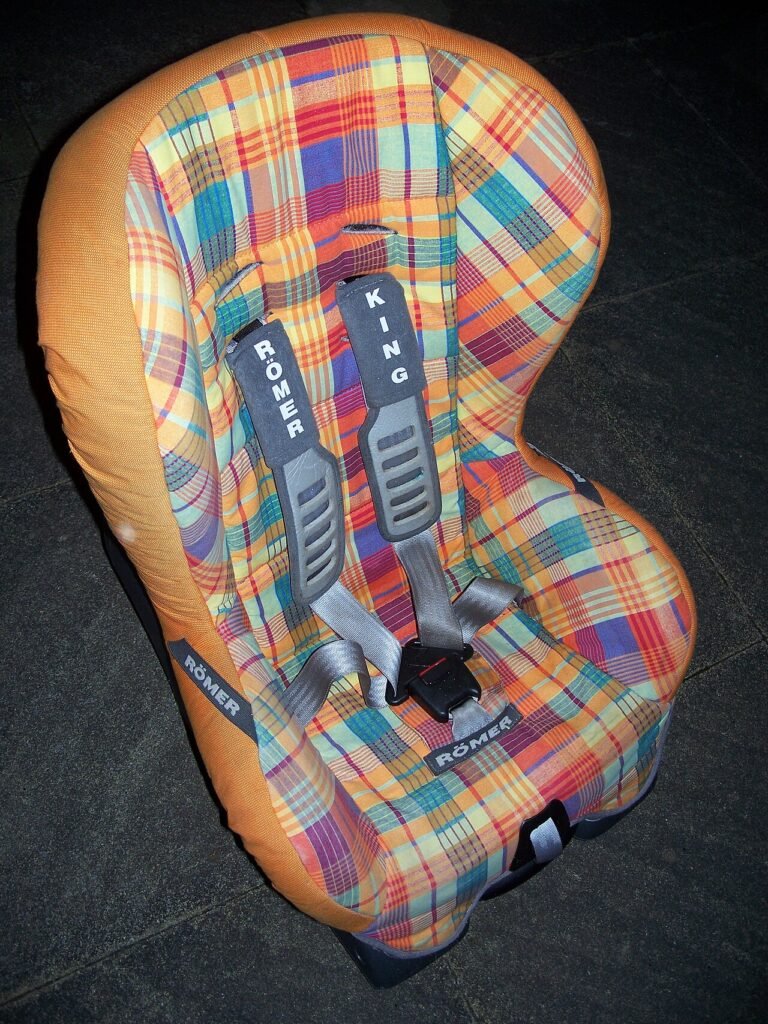
Infant carriers (birth to approximately 12 to 15 months)
Rear-facing carriers designed for newborns and infants, fitted using the vehicle’s seatbelt or ISOFIX where the vehicle supports it. Always request this by your child’s actual weight and age rather than assuming “infant” covers a wide range; carriers have upper weight limits that vary by model.
Convertible or toddler seats (approximately 1 to 4 years)
Forward or rear-facing seats depending on the child’s age and local guidance, with a five-point harness. This is the seat most families with a toddler will need for a Saudi Arabia trip.
Booster seats (approximately 4 to 10 years, or until the vehicle’s adult seatbelt fits correctly)
Raised seats that let the vehicle’s own seatbelt sit correctly across a child’s shoulder and hip rather than across their neck or stomach.
How to request the right seat
State your child’s age and, ideally, current weight in the booking notes, along with how many seats you need and for which legs of a multi-stop trip. If you are travelling with more than one child requiring seats, confirm this clearly, since a standard sedan can usually only accommodate two child seats safely alongside an adult passenger, and larger families are better matched to a minivan or SUV from the outset.
Fitting and verification
Every child seat we provide is fitted by the assigned driver before you are collected, and you are welcome to check the fit yourself before your child is placed in the seat, we would rather you take an extra minute to confirm it than feel uncertain during the journey. If anything about the fit looks wrong to you, tell the driver immediately; do not wait until you are moving.
Bringing your own seat instead
Some families prefer to travel with their own car seat, particularly for younger infants who are used to a specific model. This is entirely fine and our drivers are trained to fit passenger-supplied seats correctly. Let us know in advance if you are bringing your own seat so the driver arrives prepared and, if the seat is bulky, so we can confirm boot space accordingly.
Family-friendly vehicle choices beyond the seat itself
Beyond the child seat, families travelling with young children often benefit from a vehicle with easier rear door access, since minivans with sliding doors make loading a wriggling toddler considerably easier than a sedan’s swing door. For longer intercity legs, we also recommend building in a rest stop, particularly for children under three, and our drivers are happy to plan a suitable stopping point along routes such as Riyadh to AlUla or Jeddah to Taif.
Temperature and comfort for young children
Saudi Arabia’s climate means the interior of any parked vehicle can become very warm very quickly, so our drivers are trained to have the air conditioning running and the cabin at a comfortable temperature before you and your child get in, rather than switching it on afterwards. If your child has a specific temperature sensitivity or you would like the climate set a particular way, mention this at booking or directly to the driver on pickup, it is a simple request and one we are always glad to accommodate.
Older children and booster seat judgement calls
Booster seat requirements are ultimately about whether the vehicle’s own seatbelt fits an older child correctly, across the shoulder and hip rather than the neck or stomach, and this varies more by the individual child’s height than by age alone. If you are unsure whether your child still needs a booster, our drivers can check the seatbelt fit with the child seated normally before you set off, and we would always rather err on the side of a booster than skip one because of an assumption based on age.
Feeding, changing and journey breaks with an infant
For families travelling with a very young infant, particularly on longer intercity routes, let us know if you anticipate needing a feeding or changing stop, so this can be planned into the journey time from the outset rather than requested awkwardly partway through. Our drivers are familiar with suitable rest stop locations along the main intercity corridors and are happy to plan around your child’s routine rather than a rigid point-to-point schedule.
What good practice looks like across a whole trip
Families travelling across several legs, for example an airport arrival, a few days in Riyadh, then an onward flight to Jeddah or AlUla, often find it easiest to set a standing child seat preference on their account or booking profile rather than re-specifying seat details for every individual journey. This reduces the chance of a detail being missed on a later leg once the initial booking excitement has worn off and travel becomes more routine. If you are booking through a corporate account on behalf of a colleague’s family, for example relocation support, the same principle applies, gather the child’s age and weight once and apply it consistently across the whole booking pattern.
Frequently asked questions
Is there an extra charge for a child seat?
Child seat provision is included as standard when requested at booking; we do not treat basic safety equipment for children as a premium add-on.
Can I request two different seat types in the same vehicle, for example an infant carrier and a booster for an older sibling?
Yes, this is a completely normal request. State both ages or weights clearly at booking so the correct pair of seats is prepared and fitted before you arrive.
What if my child seat request was not fulfilled correctly on arrival?
Tell the driver immediately rather than departing. If a seat is missing, the wrong size, or not fitted to your satisfaction, our dispatch team can usually resolve this quickly, and we take these reports seriously given how directly they affect child safety.
What safety standard do your child seats meet?
Our child seats are sourced to meet recognised international child restraint safety standards and are inspected regularly for wear and correct function, alongside the general vehicle safety checks applied across our fleet.
Can I request a specific brand or model of child seat?
We stock a range of seats across the main age and weight categories rather than a single brand. If your child has a specific requirement, for example a medical or comfort need tied to a particular seat design, we recommend bringing your own seat, which our drivers will fit for you.
Winter-Ready Fleet: Vehicles for Trojena and NEOM Mountain Travel
Snow in Saudi Arabia is not a novelty anymore
Trojena, the mountain destination under development in the NEOM region, is being built specifically around snow and alpine tourism, including hosting the Asian Winter Games. Even before full completion, the wider Tabuk province sees genuinely cold, occasionally snow-affected conditions at altitude in winter months. That combination, freezing temperatures, mountain gradients, and roads that are not always gritted to European standards, means the vehicle you book for a Trojena or NEOM winter trip needs to be genuinely fit for the conditions, not just a standard airport transfer car with a heater.
What “winter-ready” actually means for a vehicle
A winter-ready vehicle in our fleet is not simply an SUV. It is a 4×4 or all-wheel-drive vehicle fitted with tyres suited to cold and, when conditions warrant it, snow, with a driver specifically briefed on mountain road behaviour at altitude. Standard tyres lose grip sharply below a certain temperature threshold even on dry tarmac, so the tyre specification matters as much as the drivetrain.
Our winter-ready standard includes:
4×4 or all-wheel-drive SUVs as the minimum vehicle class for mountain routes into the Trojena and wider NEOM highland area.
Cold-weather or snow-rated tyres fitted ahead of the winter season on vehicles assigned to these routes.
Drivers with specific experience on mountain gradients and awareness of how quickly conditions can change with altitude.
Extra buffer time built into the schedule rather than a tight point-to-point quote, because mountain conditions can slow a journey safely rather than dangerously.
Booking for a Trojena or NEOM mountain trip
If your itinerary includes any leg through the NEOM highlands or Trojena specifically, flag this at the time of booking rather than assuming a standard SUV request will be matched automatically. Our dispatch team allocates from the winter-ready subset of the fleet for these routes and will confirm the vehicle and tyre specification before the trip is finalised. In peak winter weeks, particularly around any scheduled snow events at Trojena, we recommend booking further ahead, since demand for winter-ready vehicles in this specific corridor rises sharply and the vehicle pool, while growing, is still smaller than our general fleet.
What this means if you are travelling with skis, boards or winter luggage
Winter sports equipment changes the luggage calculation considerably. Ski bags and boot bags are long and awkward rather than simply heavy, so let us know equipment type and quantity in the booking notes. For groups travelling with equipment, we will usually recommend a larger SUV or a small minibus over a standard sedan, purely on the basis of load shape rather than passenger count.
Outside the mountain corridor
For the coastal and lower-altitude parts of a NEOM or Red Sea trip, standard vehicles are entirely appropriate; winter-readiness is specifically a mountain and altitude consideration, not a blanket requirement for the whole region. We match the vehicle to the actual route rather than upgrading every booking in the area by default, which keeps pricing fair.
What to pack and wear for the transfer itself
Temperatures at altitude in the Trojena area can differ dramatically from coastal or lowland NEOM, often by ten degrees or more, and the difference is even more pronounced after dark. We recommend keeping a layer of warm clothing accessible in hand luggage rather than packed in checked bags, since a vehicle heater takes a few minutes to warm a cold cabin and you will be considerably more comfortable stepping out at a mountain viewpoint or resort entrance already dressed for the temperature rather than adjusting once you arrive.
Road conditions and what your driver is watching for
Mountain roads in this region combine gradient, occasional ice on shaded sections, and, on the busiest days, higher traffic volume than the road network was originally built for. Our drivers assigned to this corridor are briefed to watch specifically for black ice on bridges and shaded corners, to maintain wider following distances than they would on a flat highway, and to reduce speed proactively rather than reactively when visibility drops. None of this should be noticeable to you as a passenger beyond a slightly more cautious pace than a flat-road transfer, which is exactly the point.
Group travel to Trojena
For groups visiting Trojena together, for example a family group or a corporate incentive trip, we recommend consolidating into fewer, larger winter-ready SUVs rather than splitting into several smaller vehicles, both for cost efficiency and because it simplifies convoy coordination on mountain roads where vehicles travelling together are easier for a lead driver to manage safely.
Trojena’s development timeline and what it means for transport planning
Trojena is being developed as a year-round mountain destination with winter sports as its signature draw, including hosting the Asian Winter Games, and as the resort’s infrastructure matures, we expect road quality, signage and winter maintenance provision in the immediate resort area to improve accordingly. In the meantime, the wider approach roads through the NEOM highlands remain a genuine mountain driving environment, which is exactly why we treat the vehicle and driver assignment for this route as a distinct category rather than a standard SUV booking with a different destination typed into the address field. We review our winter-ready protocol each season against how the road network and resort infrastructure has developed, rather than leaving it fixed indefinitely.
Frequently asked questions
Do I need to request a winter-ready vehicle specifically, or is it automatic for Trojena bookings?
Please request it specifically in your booking notes. While our dispatch team will flag any booking with a Trojena or NEOM highland destination, stating it directly ensures there is no ambiguity, particularly for bookings made through a general enquiry rather than a route-specific form.
What happens if weather closes a mountain road on the day of my transfer?
Our dispatch team monitors road conditions on this corridor and will contact you proactively if a closure or a significant safety concern affects your route, offering to reschedule or adjust the plan rather than sending a vehicle into conditions we judge unsafe.
Are chains ever required?
On the rare occasions conditions warrant it, our winter-ready vehicles are equipped accordingly and drivers are briefed on their use. This is uncommon but we would rather be prepared for it than caught out.
Is there an additional cost for a winter-ready vehicle compared with a standard SUV?
There may be a modest difference reflecting the additional tyre specification and driver briefing involved, and this is disclosed clearly at the quote stage rather than added afterwards, so you know the full cost before confirming.
Can I combine a Trojena trip with other NEOM or Red Sea destinations in one itinerary?
Yes, this is a common pattern, and we will plan the vehicle assignment across the whole trip, winter-ready for the mountain leg and standard for the coastal leg, as one coordinated booking rather than two separate arrangements.
A note on seasonal timing
Cold-weather conditions in the Trojena and wider NEOM highland corridor are, unsurprisingly, a winter-season phenomenon, broadly running through the cooler months of the year rather than year-round. Outside this window, standard SUVs handle the same routes without any winter-specific equipment needed. If you are booking well ahead of your travel date, our dispatch team will confirm at the time of booking, based on your actual travel dates, whether the winter-ready protocol applies to your trip.
Executive Sedan versus SUV: Which Vehicle Suits Your Business Meeting in Saudi Arabia
Two very different signals to a room
The vehicle that collects you before a business meeting in Riyadh or Jeddah sends a signal before you have said a word. An executive sedan and a premium SUV both read as professional, but they communicate slightly different things, and picking the right one for the meeting in question is a small detail that experienced business travellers rarely leave to chance.
The executive sedan case
A sedan such as an S-Class-equivalent saloon is the traditional choice for formal business calls: government meetings, bank headquarters, law firm offices, or any setting where a conservative, understated arrival matters. Sedans are lower to the ground, glide more smoothly through city traffic, and give a calmer, quieter cabin for a final call review or a few minutes of quiet before walking into a meeting. For solo travellers or pairs attending formal appointments, a sedan is very often the right default.
Choose a sedan when:
You are attending a formal meeting at a government ministry, bank, or established corporate headquarters.
You are travelling alone or as a pair with hand luggage only.
The route is entirely within the city and on well-maintained roads.
The SUV case
A premium SUV carries more presence and is the more practical choice when your day involves multiple stops, a group of three or more colleagues, or when you are travelling with equipment, sample cases, or presentation materials that need boot space beyond a sedan’s capacity. SUVs also make sense for site visits that combine a formal meeting with a subsequent visit to a facility, warehouse or construction site where the approach road is not always in city-centre condition.
Choose an SUV when:
Your day combines a boardroom meeting with a site or facility visit.
You are travelling as a small group of three or four colleagues.
You are carrying display materials, sample products or equipment cases.
What clients in Saudi Arabia typically request
In our experience booking business travel across Riyadh, Jeddah, Dammam and NEOM, sedans remain the more common request for single-appointment days, particularly for finance, legal, and government-facing meetings. SUVs are requested more often for delegations, multi-site itineraries, and site-visit-heavy days in construction, energy and engineering sectors. Neither is objectively more “senior”; the choice should follow the itinerary, not the other way round.
Interior standard, regardless of vehicle type
Every vehicle in our executive tier, sedan or SUV, is finished to the same standard: leather seating, climate control set ahead of pickup, bottled water, and a driver briefed on the destination in advance so there is no uncertainty about entrance, parking or security procedures at the venue. The choice between sedan and SUV should be a practical one, not a compromise on comfort either way.
Booking tip for back-to-back meetings
If your day includes several meetings across the city with waiting time between each, tell us this when booking so we can quote an hourly or half-day rate rather than a series of separate point-to-point fares. This is usually more economical and guarantees the same vehicle and driver for the whole day, which matters when you are trying to keep a schedule tight.
What visiting executives from outside Saudi Arabia usually ask
International business travellers arriving for their first meetings in Riyadh or Jeddah often ask whether a sedan is expected as the default, particularly if they are used to SUVs being the standard executive vehicle in other Gulf markets. The honest answer is that both are entirely normal here, and no reasonable counterpart will read anything into either choice. The more useful question to ask yourself is what the day actually requires: a single formal meeting favours a sedan, while a day with several stops or physical materials favours an SUV.
Dress, luggage and first impressions
If you are travelling directly from the airport to a first meeting, particularly one where first impressions matter, a sedan gives you a calmer, lower-vibration ride to review notes or make a final call, and a boot sized appropriately for a single business bag rather than full luggage, which can otherwise end up visible in the cabin of a smaller SUV. If you need to keep full luggage with you between the airport and a meeting before checking into a hotel, mention this at booking so we can size the vehicle accordingly.
Driver briefing for formal meetings
For appointments at government buildings, bank headquarters or similarly formal venues, our drivers are briefed in advance on the specific entrance, any security or reception procedure, and realistic arrival timing that accounts for security screening rather than assuming a straight door-to-door estimate. This is a small detail but it removes one source of anxiety from a day when punctuality genuinely matters to how the meeting is received.
How sector and role tend to influence the choice
In practice, we see clear patterns by sector. Finance, legal and government relations professionals in Riyadh most often request sedans, reflecting the formal, single-venue nature of much of that work. Engineering, construction and energy sector visitors more often request SUVs, reflecting the site-visit-heavy nature of their itineraries. Consulting and technology sector travellers tend to sit in between, often requesting a sedan for client-facing days and an SUV for internal team travel or multi-stop days. None of this is a rule, simply a useful starting point if you are unsure which to request for a first visit and want a sensible default while you learn what suits your own itinerary pattern best.
Frequently asked questions
Can I switch between a sedan and an SUV during the same trip?
Yes. It is common for a single visit to combine a sedan for formal meetings with an SUV for a site visit later in the itinerary. Tell us the full schedule when booking and we will plan the vehicle changeovers as part of one coordinated booking.
Is an SUV ever seen as less formal than a sedan?
Not in our experience across Saudi business culture. Premium SUVs are widely used for executive travel here and are not read as a downgrade from a sedan, they simply suit a different kind of itinerary.
What if I am not sure which vehicle suits my day?
Describe your itinerary to our booking team, number of stops, group size, and whether you are carrying materials or equipment, and we will recommend the vehicle class that actually fits rather than defaulting you to whichever is available first.
Do both vehicle types come with a professionally dressed chauffeur?
Yes, our executive-tier drivers, whether assigned to a sedan or an SUV, are held to the same presentation and professionalism standard, since the vehicle class is a practical choice, not a signal about the level of service you receive.
Can I request a specific colour for a sedan or SUV?
For standard bookings, colour is subject to fleet availability on the day. For corporate accounts with a consistent visual preference, for example always requesting black or dark-coloured vehicles, let your account manager know and we will apply this as a standing preference where possible.
Minivan versus SUV: Choosing the Right Vehicle for a Family Airport Transfer in Saudi Arabia
The question every family asks at the booking stage
Families arriving into King Khalid International Airport, Jeddah’s King Abdulaziz International Airport, or one of the regional gateways face the same decision within seconds of opening a booking form: minivan or SUV. Both fit a family comfortably. The right choice depends less on group size alone and more on luggage volume, how many child seats you need fitted, and how far you are travelling once you leave the terminal.
Minivan: the space-first option
A minivan, sometimes listed as an MPV or people carrier, is built around interior volume. For a family of five or six travelling with the amount of luggage a two-week trip usually produces, a minivan gives you flat, accessible boot space plus sliding rear doors that make loading child seats or older relatives far easier than reaching into a tall SUV cabin. Most of our minivans seat six to seven passengers with luggage still fitting behind the last row, which matters if you are the family that always packs “just in case”.
Minivans work best when:
You have three or more checked bags plus hand luggage and stroller.
You are fitting two or more child seats and need easy access to buckle children in without climbing over each other.
Your route is mostly city and airport transfer rather than off-road or mountain terrain.
SUV: the versatility option
An SUV, particularly a full-size model such as a Land Cruiser or Suburban-class vehicle, trades some of that flat luggage space for ground clearance, a commanding driving position, and genuine capability if your itinerary includes a side trip beyond paved roads, for example to AlUla, the Aseer mountains, or a desert camp excursion. For a smaller family of three or four with a moderate amount of luggage, an SUV is usually the more comfortable ride on longer intercity legs because of its stability at speed and higher seating position.
SUVs work best when:
Your trip includes any element of desert, mountain or unpaved road travel.
Your group is four passengers or fewer with standard luggage.
You want a higher seating position for comfort on a long highway transfer.
A practical comparison
Factor
Minivan
SUV
Typical seating
6 to 7 with full luggage
4 to 5 with full luggage
Boot access
Wide, flat, sliding doors
Higher lift-over, tailgate
Child seat fitting
Easiest, walk-in access
Good, but a step up
Off-road or mountain routes
Not recommended
Well suited
Long highway comfort
Comfortable, softer ride
Very comfortable, higher visibility
What to tell us when you book
The most useful information you can give our dispatch team is not just passenger count but luggage count, number of child seats needed, and whether any part of the trip leaves sealed roads. Two adults and two children with four large suitcases and two golf bags need a different vehicle to two adults and two children with four carry-on bags. Add this detail in the booking notes and we will match the vehicle rather than defaulting to whichever category matches passenger count alone.
Mixing vehicle types across a multi-day trip
Many family itineraries actually benefit from switching vehicle type partway through. A minivan for the airport-to-hotel run in Riyadh, then an SUV for a day trip into the Aseer region, is a completely normal request and one our fleet can usually accommodate with advance notice.
Larger families and multi-generational groups
Families travelling with grandparents, or two families travelling together, often exceed what a single minivan comfortably carries once luggage is factored in. For groups of eight or more, we typically recommend either two vehicles travelling together, coordinated so both arrive at the same time, or a small minibus, which gives everyone their own seat with luggage space rather than squeezing a nine-seat minivan to its absolute limit. Tell us the full group composition, including ages, at the time of booking so we can size the vehicle correctly rather than you discovering a tight fit on arrival.
What arrival actually looks like
For airport pickups, your driver will meet you at the arrivals hall with a name board, and for family bookings we build slightly more time into the meeting point logistics, since travelling with children, strollers and extra luggage naturally takes longer to navigate from baggage claim to the vehicle than a single business traveller with hand luggage. If you are travelling with a stroller, let us know whether you need it stowed folded or want it accessible for the terminal walk, as this affects how we plan boot loading, particularly in a minivan where the stroller often sits alongside rather than on top of suitcases.
Regional considerations across Saudi Arabia
The right vehicle choice can also depend on which part of the country you are travelling in. In Riyadh and Jeddah, where road infrastructure is generally excellent and journeys are predominantly city driving, a minivan performs well even on longer cross-city runs. In destinations such as AlUla, Abha and the Aseer region, or any itinerary including a giga-project site such as NEOM, road surfaces and gradients vary more, and an SUV’s higher ground clearance and stability become more valuable even if the family group itself would otherwise fit comfortably in a minivan. When you tell us your full itinerary rather than just the first leg, we can recommend a vehicle that works for the whole trip rather than just the airport collection.
Frequently asked questions
Can I fit three child seats across one row?
This depends on the specific vehicle and seat models involved. A minivan’s middle row is generally the more realistic option for three seats side by side than an SUV’s second row, though we always confirm actual fit with the driver before departure rather than assuming based on seat count alone.
Is there a luggage limit I should know about?
Each vehicle class has a realistic luggage capacity based on standard suitcase dimensions. If your group is travelling with oversized items, sports equipment, or an unusually high bag count, mention this at booking so we can size the vehicle correctly rather than arriving to find the boot will not close.
Can the same driver take us for the whole trip?
For multi-day family itineraries, we can often assign the same driver throughout, which many families find reassuring, particularly with young children who benefit from a familiar face. Request this specifically when booking, since it is not automatic for separate day-by-day bookings.
Is a minivan or SUV better for a family with a baby and an older child together?
This usually comes down to luggage more than seating, since both an infant carrier and a booster fit comfortably in either vehicle. If you are also travelling with a full-size stroller and significant luggage, a minivan generally gives you more usable space without compromise.
Do you offer both vehicle types at every airport, or only the major ones?
Both minivans and SUVs are available at our major hubs including Riyadh and Jeddah. At smaller regional airports, availability of a specific vehicle class may be more limited, so confirm this with our booking team when arranging a regional transfer.
Saudi Cab Co is an independent transport booking agency. We are not part of, endorsed by or affiliated with the Government of Saudi Arabia, any ministry or any transport authority. We arrange journeys with vetted Saudi-based transport partners and do not issue visas, permits or official approvals.