Private transport across Saudi Arabia
support@saudicabco.comTravel and partnership desk

Electric and Hybrid Fleet Options for Chauffeured Travel in Saudi Arabia

Why fleet composition matters more than it used to

Saudi Arabia’s private hire market has changed shape over the past few years. Riyadh and Jeddah now have visible electric vehicle charging infrastructure, several international hotel groups ask about low-emission arrivals for corporate guests, and a growing number of business travellers simply prefer a quieter, smoother ride between meetings. At Saudi Cab Co we get asked, more often each quarter, whether an electric or hybrid vehicle is available for a booking. This guide sets out honestly what is realistic today, what the trade-offs are, and how to request one.

What “electric chauffeur” actually means on the ground in Saudi Arabia

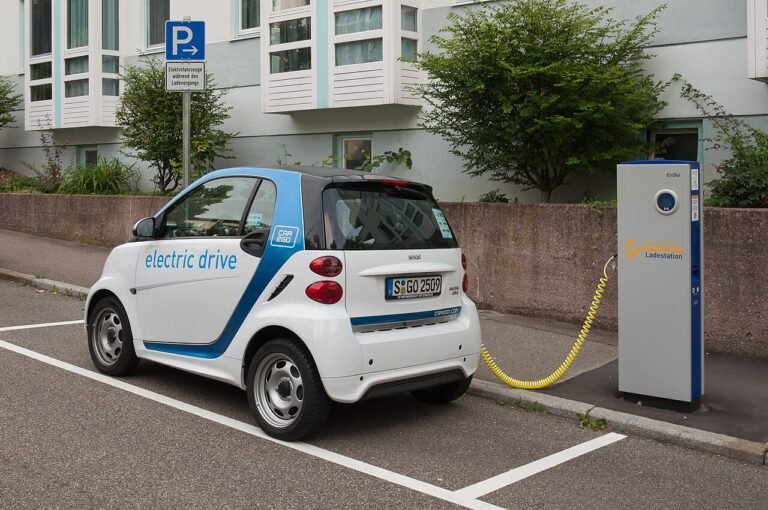
Electric vehicle uptake in the Kingdom is real but still concentrated in specific corridors: central Riyadh, parts of Jeddah, and increasingly NEOM and other giga-project sites where charging infrastructure has been built in from the start. Long intercity runs, such as Riyadh to Dammam or Jeddah to Taif, are still better served by a hybrid or a well-maintained petrol vehicle, simply because rapid-charging coverage on the open highway is not yet consistent enough to guarantee a reliable schedule for a client with a flight to catch.

Hybrid vehicles sit in a more practical middle ground right now. They do not depend on charging infrastructure, they cut fuel consumption noticeably in stop-start city traffic, and they are mechanically familiar to every workshop in the country, which matters for maintenance turnaround. For many corporate accounts, a hybrid sedan is the more dependable “green” choice for 2026 bookings.

Where electric vehicles work well

  • Point-to-point transfers within Riyadh, Jeddah or NEOM where charging is nearby.
  • Half-day or full-day hire where the vehicle can charge between assignments.
  • Hotel and venue arrivals for clients who have specifically requested a low-emission vehicle for sustainability reporting.

Where a hybrid or conventional vehicle is the safer choice

  • Long intercity transfers, particularly across the interior or through areas with sparser infrastructure.
  • Time-critical airport collections where any uncertainty about range is not worth the risk.
  • Multi-stop itineraries with unpredictable waiting time built in.

How to request an electric or hybrid vehicle

When you book, use the vehicle notes field to specify “electric preferred” or “hybrid preferred”. Our dispatch team will confirm availability against the route before your journey is finalised, because we would rather tell you upfront that an electric vehicle is not practical for a particular route than leave you stranded with a low battery on a desert highway. For guaranteed availability on a specific date, we recommend booking at least 48 hours ahead, since our electric and hybrid fleet is a smaller subset of the total fleet and demand from corporate accounts has been rising.

Chauffeur training for electric vehicles

Drivers assigned to electric vehicles complete additional briefing on regenerative braking behaviour, which changes how a vehicle decelerates compared with a conventional automatic, and on charging logistics so that a booking is never put at risk by a driver having to divert for power mid-journey. This is a small operational detail but it is the difference between a smooth transfer and an awkward one.

What this means for pricing

Electric and hybrid vehicles are not automatically more expensive to book, though premium electric models in the luxury tier are priced the same as their equivalent conventional luxury sedans. Where an electric vehicle is requested for a long-distance route that genuinely requires a charging stop, we will flag the additional time this adds so the fare and schedule both reflect reality rather than an optimistic assumption.

Looking ahead

As NEOM, Riyadh’s metro-linked business districts and the Red Sea developments continue to build out charging infrastructure, we expect the practical range of routes suited to electric vehicles to expand steadily. We review our fleet mix against this infrastructure roll-out regularly rather than committing to an all-electric fleet ahead of the charging network being ready to support it reliably.

Sustainability reporting and corporate travel policy

A growing number of the multinational firms we work with in Riyadh and Jeddah now track ground transport emissions as part of their own sustainability reporting, particularly firms with net-zero commitments that extend to business travel. If your organisation needs to report on this, our dispatch team can confirm which of your bookings used an electric or hybrid vehicle, which is a simple but genuinely useful data point for a travel manager compiling a quarterly or annual report. We are also happy to work with corporate accounts to set a standing preference for electric or hybrid vehicles wherever a route allows it, rather than requesting this on a booking-by-booking basis.

Noise, ride quality and passenger comfort

Beyond the environmental angle, there is a genuine comfort case for choosing an electric vehicle where the route supports it. Electric motors are near-silent at low speed, which makes a real difference in heavy city traffic where a conventional engine is constantly working through stop-start conditions. Several of the executives we drive around Riyadh and Jeddah specifically request an electric vehicle for this reason alone, independent of any sustainability consideration, because the cabin is quieter for calls and the ride is notably smoother without gear changes.

Maintenance, range confidence and why we do not overpromise

Every electric and hybrid vehicle in our fleet is serviced on a schedule specific to its drivetrain, since battery health, regenerative braking components and hybrid transmission systems need different attention to a conventional combustion vehicle. We track real-world range for each electric vehicle against the routes it is assigned to, and we deliberately keep a safety margin between a vehicle’s rated range and the maximum distance we will assign it without a planned charging stop. This is a conservative approach by design: we would rather under-promise on which routes suit an electric vehicle today than have a client experience range anxiety or, worse, an actual delay because a booking was pushed past what the vehicle could comfortably manage.

Frequently asked questions

Can I request an electric vehicle for an airport pickup?

Yes, provided the route between the airport and your destination falls within a corridor our dispatch team has confirmed as suitable. Central Riyadh and Jeddah routes are usually straightforward; longer transfers out to the edge of the metropolitan area may be better served by a hybrid.

Do electric vehicles cost more to book?

No, not as a rule. Standard and premium electric vehicles are priced the same as their conventional equivalents in the same class. Only where a route genuinely requires a charging stop, adding real time to the journey, will this be reflected in the schedule and, where relevant, the fare.

What happens if the electric vehicle I requested is not available on the day?

Our dispatch team will contact you ahead of the booking to confirm a suitable alternative, typically a hybrid, rather than substituting silently and leaving you to discover the change at pickup.

Are electric vehicles available in the luxury and executive tiers, or only standard class?

We carry electric options across both standard and premium tiers, including executive-class electric sedans for corporate clients who specifically want a low-emission vehicle without stepping down in cabin quality or presentation.

How do I know if my specific route is a good fit for an electric vehicle?

Tell us your full route, including any planned stops, and our dispatch team will check it against current charging infrastructure and confirm suitability before your booking is finalised, rather than leaving you to guess.

Related guides

Checked sources

Choosing an SUV for Desert and Mountain Routes in Saudi Arabia

Why the vehicle matters more once you leave the city

Choosing between a sedan and an SUV for an airport run is mostly about luggage space and comfort. Choosing a vehicle for a route into the Asir highlands, the desert plateau around Najd, or the developing roads around NEOM and Tabuk is a different question entirely, because terrain, gradient, and road surface start to matter as much as seating. This guide looks specifically at when an SUV is the right call for desert and mountain routes, and what to check before booking one.

Panoramic view of the Asir highlands near Abha, Saudi Arabia

Desert routes: what actually changes

Most of Saudi Arabia’s intercity highways, including the main desert corridors linking Riyadh with the Eastern Province or Qassim, are well maintained dual carriageways. On these roads a standard sedan is perfectly capable. The case for an SUV on desert routes is less about the paved highway and more about what happens at the edges of it: unpaved approach roads to some heritage or natural sites, softer shoulders, and longer stretches between fuel and service stops where higher ground clearance and a larger fuel tank add a margin of safety.

For desert touring that stays on sealed roads throughout, a standard vehicle is usually fine. Where the itinerary includes any unsealed section, even a short one, an SUV with proper ground clearance is the safer default.

Mountain routes: gradient and switchbacks

The road into the Asir highlands from Abha, and the descent toward the Red Sea escarpment, involve steep gradients and continuous switchbacks over a significant change in elevation. This is genuinely different driving to the flat desert corridors further north, and it is where an SUV earns its place.

What to look for in a mountain-route vehicle

  • A proven mid-size or full-size SUV rather than a compact crossover, for stability on sustained descents
  • Good engine braking performance, since long descents put continuous load on the brakes
  • Recent tyre condition, checked before departure rather than assumed
  • A driver experienced specifically on mountain roads, not only on highway routes

Fog is a genuine factor on the Asir escarpment at certain times of year, and visibility can drop quickly on the climb. A vehicle with reliable lighting and a driver who knows to slow well ahead of blind bends matters more here than raw horsepower.

Desert landscape in central Saudi Arabia, a route where ground clearance matters

SUV or sedan: a simple way to decide

Rather than defaulting to an SUV for every trip outside the main cities, it helps to run through a short checklist:

Choose an SUV when

  • The route includes any unsealed or unpaved section
  • You are travelling to Abha, Aseer, or another mountain region with sustained gradient
  • The trip includes a stop at a natural site reached by a gravel or dirt access road
  • You are travelling with bulky equipment, such as photography or outdoor gear, alongside passengers

A standard sedan is usually enough when

  • The entire route stays on sealed intercity highway
  • You are travelling between major cities such as Riyadh, Jeddah, or Dammam
  • The trip is airport to hotel, or a single-city itinerary

Booking the right SUV, not just any SUV

Not every SUV is built the same way, and a soft-road crossover is not the same vehicle as a proper mid-size 4×4. When booking transport for a desert or mountain itinerary, it is worth confirming the exact model and its drivetrain rather than accepting a generic “SUV” label on a quote. A reputable provider will be able to name the vehicle and explain why it suits the specific route, particularly for trips into the Asir region or toward less developed areas near NEOM and Tabuk.

It is also worth asking whether the driver has completed that specific route before. Mountain roads and desert tracks reward local experience in a way that flat city driving does not, and a driver who already knows where the road narrows or where fog tends to settle is a meaningful safety advantage.

Fuel, service stops and distance planning

Desert corridors between major Saudi cities can involve long stretches with limited fuel and service stops, particularly on routes heading toward less developed areas near the northern and eastern edges of the country. An SUV’s larger fuel tank gives a genuine margin on these routes, but it is not a substitute for planning: confirming the location of service stops along a route before departure, and building rest breaks into a long desert drive, matters more than the vehicle type alone.

For any route that runs through sparsely populated desert, it is worth asking your transport provider how familiar the driver is with fuel stop locations along that specific corridor, rather than assuming every route has the same level of infrastructure as the main Riyadh to Jeddah or Riyadh to Dammam highways.

Why local driver experience matters as much as the vehicle

A capable SUV with an inexperienced driver is not automatically safer than a standard vehicle with a driver who knows the route well. On mountain roads especially, local knowledge of where visibility drops, where livestock or pedestrians are more likely to be present, and where the road surface changes is a genuine safety factor that no vehicle specification can replace. When booking transport for a desert or mountain itinerary, it is worth asking directly how many times the assigned driver has covered that specific route, rather than assuming any commercially licensed driver is equally prepared for it.

This is particularly relevant for one-off touring itineraries into less frequently visited areas, where a driver’s day to day experience is more likely to be on standard city or highway routes. A provider that can match an experienced route-specific driver to a mountain or desert booking is offering a meaningfully safer service than one that simply allocates whichever SUV and driver happen to be available.

Packing and preparation for a highland or desert trip

Beyond the vehicle itself, a little preparation makes any desert or mountain journey more comfortable. Layered clothing is worth packing for a highland trip, since temperatures in Abha and the wider Asir region can be noticeably cooler than the lowland cities, particularly in the early morning and evening. For desert routes, carrying water beyond what feels necessary is a sensible habit, and confirming with your driver that the vehicle carries a basic emergency kit is a reasonable question to ask before a longer journey away from major towns.

None of this is about expecting something to go wrong. It reflects the same sensible planning that applies to any long distance road trip through varied terrain, and it pairs naturally with choosing the right vehicle in the first place.

A note on rental versus pre-booked SUVs

Everything above applies whether the SUV is self-driven or arrives with a professional driver. For a visitor unfamiliar with mountain or desert driving specifically, a pre-booked SUV with an experienced local driver removes the single biggest variable in the whole equation, which is driving skill on unfamiliar terrain under genuinely different conditions to flat highway driving. A self-drive SUV suits a confident, experienced driver who wants full control of the itinerary. A pre-booked SUV with a driver suits almost everyone else, and is generally the safer default for a first visit to Saudi Arabia’s mountain or desert regions.

Related guides

Checked sources

Group and Van Transport for Tour Operators in Saudi Arabia

Why group logistics are a different job to individual transfers

Booking a single sedan for one traveller is a simple match of one person to one seat. Booking transport for a tour group is a different exercise altogether. A tour operator bringing twelve, twenty or forty guests into Saudi Arabia has to think about luggage volume, seating configuration, multiple pickup points, guide coordination, and a schedule that has to hold across an entire day or an entire week. Get the vehicle mix wrong and the whole itinerary slips.

Saudi Arabia’s tourism sector has grown quickly, with new attractions across Riyadh, AlUla, the Red Sea coast, and the southern highlands drawing group itineraries that combine flights, heritage sites, and multi-day touring. For operators building these programmes, ground transport is usually the single biggest logistical variable, and it is worth treating vehicle selection as a planning decision rather than an afterthought.

Aerial view of a Riyadh highway used for multi-stop group tour itineraries

Matching vehicle capacity to the itinerary

The starting point is a realistic headcount, including guides, drivers on standby, and any additional staff travelling with the group. From there, capacity planning usually falls into three tiers.

Minivans and people carriers (up to 10 to 14 passengers)

Ideal for smaller groups such as incentive travel, VIP delegations, or split groups touring in parallel. These vehicles are more manoeuvrable in old city districts such as Diriyah or Jeddah’s historic Al Balad, where a full-size coach cannot always get close to the entrance.

Midi coaches (around 20 to 30 passengers)

The workhorse for most mid-sized group tours. A midi coach balances capacity with the flexibility to reach hotel forecourts and attraction car parks that full-size coaches sometimes cannot use, particularly in denser city centres.

Full-size coaches (over 30 passengers)

Best suited to conference groups, large incentive programmes, and airport-to-hotel transfers where the route is mostly highway driving with fewer tight turns. Luggage hold capacity becomes the limiting factor here more often than seating.

A useful rule for operators: plan the vehicle around the heaviest single day of the itinerary, not the average day. A group that rides one large coach for airport transfers but splits into two vans for a heritage site visit needs both vehicle types confirmed in advance, not arranged on the day.

Coordinating multi-stop tour itineraries

Group itineraries rarely run point to point. A typical day might include a hotel pickup, a heritage site, a lunch stop, a museum, and a return transfer, sometimes across two cities in the same week. Each stop needs a parking or drop-off plan agreed before the day starts, particularly at sites with restricted vehicle access.

Driver and guide coordination

For multi-day tours, continuity matters. Where possible, operators should request the same driver or drivers for the full programme rather than a different one each day. A driver who already knows the group’s pace, luggage habits, and preferred stops saves time at every changeover, and reduces the briefing load on the tour guide.

It also helps to share the full day-by-day itinerary with the transport provider in advance, including approximate timings, rather than booking each leg separately. This lets the provider flag realistic drive times and suggest adjustments before they become a problem on the road.

Desert landscape in Najd, a touring route outside Saudi city centres

Booking group transport as a tour operator

Operators running repeat programmes benefit from a standing arrangement rather than one-off bookings for every departure. A fixed-rate agreement covering a season, or a set of confirmed vehicle types for a recurring itinerary, gives predictable costing for quoting to end clients and avoids last-minute price variation.

What to confirm before signing off a group booking

  • Exact vehicle type and seating configuration, not just a passenger number
  • Luggage hold capacity, especially for groups with golf bags, camera equipment, or oversized cases
  • Confirmed driver language ability, if guests will interact directly with the driver
  • Contingency arrangements for a vehicle breakdown or a driver becoming unavailable
  • Clear written confirmation of pickup points, timings, and total cost before the tour departs

Seasonal demand and advance booking

Demand for group transport in Saudi Arabia rises sharply around major events, national holidays, and the cooler travel months when touring conditions are more comfortable. Operators planning departures during these periods should confirm vehicles well ahead of the date, since larger coaches and specialist vehicles are the first to be booked out. A provider that can commit vehicles in writing for a full season is generally a safer partner for a tour programme than one offering only day-by-day availability.

Safety and licensing for group vehicles

Passenger safety compounds with group size. Before confirming any group transport contract, operators should verify that the provider’s vehicles and drivers meet Saudi Arabia’s commercial passenger transport requirements, including valid commercial registration and a properly licensed driver for each vehicle in use. This is worth checking directly with the provider rather than assuming it from a quoted price alone.

Booking through an established operator with a transparent fleet and clear driver credentials gives tour operators a dependable base to build itineraries on, and one less variable to manage on travel days.

Cost structure for group and van bookings

Group transport pricing typically works differently from a single per-passenger fare. A midi coach or full-size coach is usually quoted as a flat rate for the vehicle and route, which means the effective cost per passenger falls as the group grows, right up to the vehicle’s seating capacity. Operators building a tour price sheet should model this properly rather than simply dividing a generic day rate by headcount, since a group of eighteen in a 20 seat vehicle pays a very different effective rate to a group of eight in the same vehicle.

It is also worth clarifying early whether a quoted rate includes waiting time at each stop, since group itineraries often involve longer dwell times at heritage sites or museums than an individual transfer would. A rate that only covers point to point driving time can leave an operator exposed to additional charges once the itinerary is confirmed in detail.

Common planning mistakes operators can avoid

A recurring issue in group tour logistics is treating vehicle capacity as a simple headcount match, without allowing for luggage, staff, and any equipment travelling with the group. A coach rated for thirty passengers with full luggage holds does not necessarily have room for thirty passengers plus a full set of oversized suitcases, particularly on tours that combine a city stay with a multi-day touring segment.

Another common mistake is booking transport city by city, rather than as a single coordinated itinerary. This can lead to mismatched vehicle types between legs, drivers unfamiliar with the group’s pace, and pricing that does not reflect the full scope of the tour. Sharing the complete itinerary with a single transport provider, and asking for one coordinated quote across the whole programme, generally produces both a better price and a smoother experience for the group.

Working with a single point of contact

For operators running several tours through Saudi Arabia in a season, it is worth asking a prospective transport provider whether bookings can run through a single named contact rather than a general enquiries channel. A dedicated contact who understands the operator’s typical itinerary style, vehicle preferences, and reporting needs can turn around changes far faster than starting from scratch with each new booking, which matters when a group’s plans shift at short notice, as they often do on multi-city tours.

Related guides

Checked sources

Accessible and Wheelchair-Friendly Vehicles: What to Ask For When Booking

Reviewed planning guidance. This article offers general planning guidance on requesting accessible transport; specific vehicle availability and airport assistance procedures should be confirmed directly with your transport provider and the relevant airport before travelling.

Booking transport for a wheelchair user or a traveller with reduced mobility in Saudi Arabia works best when specific needs are set out clearly at the time of booking rather than mentioned in passing on arrival. This guide covers what to ask for, what to expect from vehicle types and advance notice, and how airport assistance coordination typically works, aimed at travellers, family members booking on someone else’s behalf, and anyone planning a trip that needs to account for mobility equipment or physical assistance.

Why advance notice matters more than almost anything else

Accessible transport is not a one-size-fits-all category. A traveller who uses a manual wheelchair and can transfer independently into a standard vehicle seat has very different needs from someone who uses a powered wheelchair that must stay assembled and travel in the vehicle with them, or a traveller who needs a ramp rather than a lift into the vehicle. The single most useful thing you can do when booking is describe the actual situation in detail rather than using a general term like “wheelchair accessible” and assuming the provider will infer the rest.

Because accessible vehicles are a smaller portion of any transport fleet, advance notice directly affects whether the right vehicle is available at the right time. A same-day request is sometimes possible but should never be relied upon; booking several days ahead, and ideally as soon as your travel dates are confirmed, gives a provider time to allocate the correct vehicle and driver rather than scrambling to find one.

What to specify when booking

A clear, specific booking request makes the difference between transport that works smoothly and one that causes stress at the worst possible moment, such as directly after a long flight. The details worth including are:

  • Whether the wheelchair is manual or powered, and its approximate weight if powered, since this affects whether it needs to be folded and stowed or can remain assembled in a ramp-access vehicle.
  • Whether the traveller can transfer independently from the wheelchair into a standard vehicle seat, needs assistance to transfer, or needs to remain in the wheelchair throughout the journey.
  • The wheelchair’s approximate dimensions, particularly width, if it needs to pass through a ramp or lift access point.
  • Any other mobility equipment travelling with you, such as a walking frame, oxygen equipment or a scooter, since these may need to be accommodated separately from the wheelchair itself.
  • Whether you need assistance with luggage in addition to the mobility equipment, since a driver assisting with both may need more time at pickup and drop-off than a standard transfer.
  • The number of people travelling together, since a companion or carer travelling alongside affects vehicle sizing.
  • Whether the journey involves any known steps, kerbs without dropped edges, or gravel or sand surfaces at either end, since a driver forewarned about a difficult pickup point can plan for it rather than discovering it on arrival.

Vehicle types and what they actually offer

Not every vehicle described loosely as “accessible” offers the same thing, and it is worth understanding the practical differences before you book.

Ramp-access vehicles

These allow a wheelchair user to remain in their chair and be wheeled directly into the vehicle via a fold-out or built-in ramp, with the wheelchair then secured in place for the journey. This is generally the most suitable option for powered wheelchairs or for travellers who prefer not to transfer seats at all. The securing system typically uses a set of straps or a locking track fitted to the vehicle floor, and it is reasonable to ask in advance whether the securing points suit your specific chair’s frame, since not every restraint system fits every wheelchair design equally well.

Standard vehicles with driver assistance for transfer

For travellers who can transfer into a normal vehicle seat with some assistance, a standard saloon or SUV with a driver briefed to assist can be sufficient, with the folded wheelchair stowed in the boot. This tends to suit manual wheelchair users more than powered chair users, given the weight and size involved in folding and lifting a powered chair. It is worth confirming that the specific driver assigned to your booking has actually been briefed on the assistance required, rather than assuming a general note on the booking will automatically reach them.

Larger accessible vans

For a group that includes a wheelchair user plus several companions, or where additional equipment is travelling too, a larger accessible van gives more room to work with and avoids a cramped, rushed boarding process. This option is also worth considering for family groups where luggage volume alone, quite apart from the mobility equipment, would otherwise make a standard vehicle a tight fit.

Accessible vehicle with a fold-out wheelchair ramp positioned for boarding

Coordinating with airport assistance

Most Saudi international airports offer dedicated passenger assistance services for travellers with reduced mobility, covering movement through the terminal, immigration and to the arrivals area. This assistance is generally arranged with your airline in advance of travel, separately from your ground transport booking, so both pieces need to be organised rather than assuming one covers the other. General information on airport facilities and services is published by the General Authority of Civil Aviation, and it is worth checking the specific airport you are flying into or out of for current assistance arrangements.

Where the two pieces meet is the pickup point itself. It is worth confirming with your ground transport provider exactly where they will meet you, since accessible pickup points at busy airports are sometimes located away from the general arrivals kerb, and a driver who knows to look for you at the correct assistance meeting point avoids unnecessary delay after what may already have been a long journey.

It also helps to think through the departure side of the trip in the same detail as the arrival. Confirm with your airline how far in advance of your flight the assistance team expects you at the terminal, and pass that same timing to your ground transport provider so the drop-off is planned around the assistance handover rather than a generic check-in window. A mismatch between the two, such as a transport pickup timed for a standard check-in but an assistance process that in practice needs longer, is one of the more avoidable sources of stress on travel day.

Questions to ask a provider before booking

Before confirming an accessible transport booking, it is reasonable to ask the provider directly rather than assuming standard terms apply.

Driver assisting a traveller with a wheelchair at an airport arrivals pickup point
  • What type of accessible vehicle do you have available on the date and time I need, and can you confirm this specifically rather than generally?
  • Is the driver experienced in assisting with wheelchair boarding, or will I need to manage the transfer myself?
  • How is the wheelchair secured during the journey, and is the securing method suitable for my specific chair?
  • Where exactly will the driver meet me at the airport, and how will they identify themselves?
  • What happens if my flight is delayed; is the booking held or does it need to be rearranged?
  • Is there a difference in price for an accessible vehicle compared with a standard transfer, and if so, what does that reflect?
  • Can the same driver and vehicle be booked for the return leg of the trip, so the arrangement does not need to be explained twice?

A provider who answers these questions specifically and without hesitation is generally a good sign that accessible bookings are something they handle regularly rather than as an occasional exception. If a provider is vague about vehicle type or securing method, or cannot confirm driver experience with assisted boarding, that is worth treating as a signal to ask further questions or look elsewhere, rather than proceeding and hoping the details work themselves out on the day.

Booking on behalf of someone else

Many accessible transport bookings are made by a family member, carer or travel coordinator rather than the traveller themselves, and this arrangement works perfectly well provided the same level of detail is passed on. It is worth writing the specifics down in the booking notes rather than relying on a phone conversation being remembered accurately days later, particularly for details like wheelchair dimensions or transfer ability that are easy to summarise imprecisely at second hand. Including a mobile number that will be reachable on the day, ideally the traveller’s own if they will have a phone with them, also gives the driver a direct way to confirm details on arrival rather than relying solely on whoever made the original booking. If the traveller does not speak the same language as the booking coordinator, it is also worth flagging this, since a driver briefed in advance can plan simple, clear communication rather than everyone working it out at the roadside.

For group trips involving more than one traveller with different mobility needs, such as a family holiday where one member uses a wheelchair and others do not, it is worth booking a single vehicle sized for the whole group rather than splitting into separate cars, provided the vehicle type chosen can accommodate both the equipment and the number of passengers comfortably. Splitting a family across vehicles purely to save on accessible vehicle costs often creates more coordination difficulty at pickup points than it saves.

Frequently asked questions

Q: How much advance notice should I give for an accessible vehicle booking? A: Several days is a reasonable minimum, and booking as soon as your travel dates are confirmed gives the widest choice of vehicle and driver availability.

Q: Can a powered wheelchair travel in a standard vehicle? A: Generally not comfortably or safely, given the weight and size involved; a ramp-access vehicle is the more suitable option for most powered wheelchairs.

Q: Does the driver help with boarding and luggage? A: This varies by provider, so it is worth confirming in advance exactly what assistance the driver will and will not provide, rather than assuming.

Q: Is airport assistance the same as accessible ground transport? A: No, they are usually separate services arranged through different channels, airport or airline assistance for the terminal itself, and ground transport separately for the journey to or from the airport.

Q: What if my mobility needs change between booking and travel? A: Contact your provider as soon as possible to update the booking, since vehicle allocation depends on the details given at the time of booking.

Q: Are accessible vehicles more expensive than standard transfers? A: This depends on the provider and vehicle type; ask directly at the time of quoting so there are no surprises, and treat a clear upfront answer as a sign of a reliable provider.


Saudi Cab Co can arrange accessible vehicles matched to your specific mobility requirements, with advance coordination for airport pickup and driver assistance. Get in touch with your specific needs to receive a fixed-price quote and confirm vehicle availability before you travel.

Luxury and VIP Fleet Options: When to Upgrade Your Saudi Transfer

Reviewed planning guidance. Details can change; use the linked official sources and get a live quote for current pricing and availability.

Most transfers in Saudi Arabia, whether for business or leisure, do not need to be anything more than a comfortable, reliable sedan or SUV that gets you where you are going on time. But there are situations, a client meeting where the arrival itself sends a signal, a VIP delegation landing for a conference, a wedding or a significant family occasion, where the standard option is not quite the right fit. This guide covers when it makes sense to upgrade to a premium or VIP vehicle for a Saudi transfer, what typically differs beyond the badge on the car, and how to think about the decision practically rather than just defaulting to the most expensive option available.

When a standard transfer stops being the right choice

The question is rarely whether a premium vehicle is nicer than a standard one; it almost always is. The more useful question is whether that difference actually matters for the specific trip you are booking, which depends far more on who is watching and what the journey is meant to achieve than on budget alone.

A reliable sedan covers the overwhelming majority of transfers well: airport pickups, meetings across the city, a family day out. It is comfortable, punctual and, for the vast majority of journeys, entirely sufficient, which is exactly why most bookings should stay in that category rather than being upgraded by default. The case for upgrading usually comes down to one of a small number of situations rather than a general desire for something nicer. If the vehicle and the arrival experience are part of how you or your guest will be perceived, a client-facing pickup, a VIP arrival for a conference, a formal event, then the standard option can genuinely undersell the occasion. If it is simply about getting from A to B without anyone forming an impression based on the car, upgrading is a comfort choice rather than a necessity.

It is worth being honest about which category your trip falls into before booking, since the two situations call for different things. A comfort upgrade is about legroom and a quieter ride. A presentation-driven booking is about the whole experience, from the vehicle to how the driver is dressed to whether someone is waiting inside the terminal rather than at the kerb.

A useful test is to picture the moment of arrival itself. If a client, partner or senior guest is stepping out of arrivals and into your vehicle for the first time, that moment is doing some of the work of a first impression before a single word has been exchanged. If, on the other hand, you are simply getting from your hotel to a meeting you have already had several times with the same people, the vehicle itself is doing very little of that work, and a standard booking is entirely appropriate.

What actually changes with a premium or VIP booking

The vehicle itself

A premium vehicle class typically means a larger, higher-specification car or SUV than the standard option, with more interior space, a quieter cabin and a newer model. For VIP bookings involving a delegation or a larger travelling party, this can also mean coordinating multiple vehicles that arrive and depart together rather than as separate individual transfers.

The driver

Presentation and professionalism matter more at this level. That generally means a driver in formal attire, briefed in advance on the specific itinerary, and comfortable managing a schedule that might include waiting time, multiple stops or last-minute changes without it becoming a visible inconvenience to the passenger. For a delegation or a multi-stop executive day, this also tends to mean a driver who understands the wider itinerary rather than treating each leg as an isolated booking, so transitions between meetings feel seamless rather than newly explained each time.

Meet and greet

For airport arrivals in particular, a genuine VIP or meet-and-greet service usually means someone waiting inside the terminal, sometimes with a name board, rather than a driver waiting at the kerb outside. This matters most for first-time visitors, senior delegates unfamiliar with a particular airport, or anyone travelling with tight connecting arrangements who benefits from someone already tracking their flight and ready the moment they clear arrivals. Our airport and luggage guide covers the standard arrivals process this upgrades from.

Small details that add up

  • Bottled water and a genuinely quiet cabin for calls or last-minute preparation before a meeting.
  • Clear, discreet communication from the driver rather than unnecessary conversation during a working journey.
  • Consistency across a multi-day booking, using the same driver and vehicle where practical, so a delegate or executive is not explaining their schedule from scratch each morning.

None of these are dramatic changes on their own, but together they are usually what separates a genuinely premium experience from simply a bigger car.

Chauffeur standing beside a premium vehicle at an airport arrivals area

Business travel scenarios where an upgrade earns its cost

For business travellers, the calculation is usually straightforward: does the vehicle form part of how a client, partner or delegate experiences your organisation. A few scenarios where it typically does:

  • Picking up a client or investor from the airport ahead of a first meeting, where the arrival experience sets the tone before anyone has spoken.
  • Transporting conference or exhibition delegates where your organisation is hosting rather than simply attending, and the transport is effectively part of the event experience.
  • Executive itineraries involving multiple meetings across a single day, where a consistent, well-presented vehicle and driver reduce friction across a demanding schedule.
  • Hosting international visitors on their first trip to Saudi Arabia, where a well-presented arrival experience helps set expectations for the rest of their visit.

Our Riyadh business travel transport guide and event transport planning guide both go into more detail on structuring transport around a business schedule, worth reading alongside this if you are planning transport for a delegation or executive visit rather than a single trip.

Leisure and personal occasions worth considering it for

Outside business travel, the same logic applies to personal occasions where the journey is part of marking the event rather than just a practical necessity: a wedding, an anniversary trip, or simply arriving in comfort after a long-haul flight when you would rather not deal with a cramped back seat on top of jet lag. None of these require a premium booking, but for travellers who value it, the difference in comfort and presentation is real, and it is a reasonable thing to budget for on an occasion that matters.

Family occasions, a milestone birthday, a homecoming, or hosting visiting relatives for the first time, fall into a similar category. The vehicle is not the point of the day, but arriving comfortably and without hassle is part of making the day feel properly marked rather than just another journey.

Interior view of a spacious premium vehicle cabin

How to decide, and how to book it properly

If you are unsure whether an upgrade is worth it, ask what would actually change about your experience or your guest’s experience if you booked the standard option instead. If the honest answer is nothing meaningful, save the cost. If the answer involves how you or a client will be perceived, or a genuine comfort need for a long or demanding day, it is a reasonable upgrade to make.

When you do book, be specific about what you need: the number of passengers and bags, whether you need meet-and-greet inside the terminal, and any timing constraints around a meeting or connecting flight. A fixed, pre-agreed price for a premium booking removes any ambiguity about what the upgrade costs before you commit, which matters more the more complex the booking becomes. It is also worth checking well ahead of a specific date if you know your travel plans in advance, particularly around major conferences or events when premium vehicles across a city can be in higher demand than usual, as covered in more detail in our event transport planning guide linked above.

Frequently asked questions

What counts as a VIP transfer?
Generally a larger or higher-specification vehicle, a more formally presented driver, and often a meet-and-greet service at the airport rather than a standard kerbside pickup.

Is a VIP transfer worth it for a single airport pickup?
It depends on the purpose of the trip. For a client-facing or high-stakes arrival it is often worthwhile; for a routine personal trip it is more of a comfort choice than a necessity.

Can I book multiple VIP vehicles for a delegation?
Yes, coordinated multi-vehicle bookings are a normal part of VIP and event transport for larger groups arriving or departing together.

Does a premium vehicle cost significantly more than a standard one?
Pricing varies by vehicle class and route. Get a fixed quote for your specific requirements before booking so you know the exact cost upfront.

What’s included in a meet-and-greet service?
Typically a driver or representative waiting inside the terminal, tracking your flight, and ready to assist with luggage from the moment you clear arrivals, rather than waiting outside at the kerb.

Can I request a VIP vehicle for a special occasion like a wedding?
Yes, premium vehicles are commonly booked for weddings, anniversaries and other personal occasions where presentation matters, not just for business travel.


If your next Saudi trip calls for more than a standard transfer, Saudi Cab Co can arrange a premium or VIP vehicle, a formally presented driver and meet-and-greet service to match the occasion, whether that is a single client pickup or a fully coordinated delegation. Get a fixed-price quote and book the right vehicle class for your trip.

Choosing the right vehicle: sedan, SUV or van for your Saudi Arabia trip

Reviewed planning guidance. Details can change; use the linked official sources and get a live quote for current pricing and availability.

Booking an airport transfer in Saudi Arabia usually comes down to one decision that gets rushed: which vehicle to pick. Most booking forms ask for it early, before you’ve had a chance to think through luggage, passenger numbers or how far you’re actually travelling once you land. Get it right and the ride is straightforward. Get it wrong and you’re either paying for space you didn’t need or standing at the kerb realising four suitcases and three passengers don’t fit in the car that turned up. This guide walks through how to match the vehicle class to the trip, what catches people out with luggage, and what to check if you or someone travelling with you needs an accessible vehicle.

Why the vehicle question matters more in Saudi Arabia than it might elsewhere

Saudi Arabia’s cities are spread out, and airport transfers frequently mean journeys of thirty minutes to over an hour rather than the short hop some travellers are used to elsewhere. King Khalid International in Riyadh, King Abdulaziz International in Jeddah and the other major airports the Saudi General Authority of Civil Aviation (GACA) oversees are large, modern facilities with designated pick-up areas, and getting the right vehicle sorted before you land avoids a slow, tiring negotiation once you’re through arrivals with jet lag and bags in tow.

It also matters because distances between cities are considerable. A Riyadh to Jeddah journey, for instance, is not something most people do by road, but even the transfer from airport to hotel or business district can run well over an hour in traffic. A vehicle that felt fine for a ten-minute hop starts to matter a lot more over ninety minutes, both in terms of comfort and boot space if you’re stopping en route.

The three broad classes most operators offer, including Saudi Cab Co, are the standard sedan, the SUV, and the van or minibus. Each has a clear use case. The trick is being honest with yourself about passenger count, luggage volume and how much comfort you actually want, rather than defaulting to whatever looks biggest on the booking page.

When a standard sedan is the right call

A sedan is the right choice for the majority of solo business travellers and couples travelling light. Think one or two passengers, a carry-on plus a single checked case each, and a fairly direct route from airport to hotel or office.

Sedans work well for:

  • Solo business travellers on a short trip, carrying a laptop bag and one suitcase
  • Couples or two colleagues travelling together with modest luggage
  • Airport-to-hotel transfers within the same city, where the journey is more about efficiency than space
  • Point-to-point trips during a working day, such as airport to a single meeting venue

The trade-off is luggage room. A sedan’s boot is a fixed, enclosed space, and once you add a second full-size suitcase, a bag of duty-free, and maybe a garment bag for a business trip, it fills up fast. If you’re flying long-haul and checked two bags each per person, a sedan is often tighter than travellers expect, particularly if the car also needs to carry hand luggage in the cabin because the boot is full. This is one of the most common mismatches between what people book and what they actually need, and it’s worth being realistic about luggage volume before defaulting to the cheapest, smallest option.

If in doubt, and especially if you’re not certain how much luggage you’ll be bringing back (duty-free, gifts, extra bags picked up during the trip), it’s worth stepping up to an SUV rather than risk a squeeze.

A row of vehicles representing the range of transport options available (wider view)

When an SUV makes more sense

An SUV is the sensible middle option, and for many travellers to Saudi Arabia it ends up being the most practical choice even when a sedan would technically fit the passenger count. The extra ground clearance, larger cabin and bigger boot make it a comfortable option for:

  • Two passengers travelling with a full set of luggage each, particularly on longer international trips
  • Business travellers who want extra comfort for a longer transfer, such as airport to a city some distance away
  • Leisure travellers who prefer sitting a little higher and having more legroom, especially with children
  • Anyone carrying awkward items alongside standard luggage, such as golf clubs, sample cases or camera equipment for work

SUVs also tend to feel more comfortable over the longer intercity-style transfers that are common in Saudi Arabia, where an hour or more in the car isn’t unusual. The higher seating position and generally quieter, more insulated cabin make a real difference on those longer runs, and the extra boot volume gives some breathing room if plans change and you end up with more bags than expected.

The main thing to watch with SUVs is that “SUV” covers a fairly wide range of vehicle sizes and configurations across different operators’ fleets. Some SUVs are genuinely spacious with a large boot; others prioritise passenger comfort over cargo room. Rather than assuming, it’s worth confirming exact capacity for your specific booking, particularly if you’re close to the edge on luggage.

When you need a van or minibus

Once you’re travelling as a group, a family with young children and all their kit, or a business delegation, a sedan or SUV stops being a realistic option regardless of how the maths looks on paper. This is where a van or minibus earns its place.

Vans and minibuses make sense for:

  • Families travelling with children, where car seats, prams and extra luggage add up quickly
  • Groups of colleagues arriving together for a conference, training session or site visit
  • Delegations or VIP groups that need to travel as a unit rather than split across multiple cars
  • Wedding parties, tour groups or extended family visits where staying together matters as much as the transport itself
  • Any trip where the honest luggage count is higher than the passenger count would suggest, for example a family of four with a week’s worth of luggage plus sports or medical equipment

The obvious appeal of a van or minibus is that it keeps a group together rather than splitting people across two or three cars, which matters for families with children, for business groups who want to brief each other on the way to a meeting, and for anyone who would rather not coordinate multiple pickups and drop-offs at a busy airport.

It’s worth noting that “van” and “minibus” cover different vehicle sizes, from vehicles suited to a family of five or six through to larger minibuses for bigger groups. If you’re booking for a delegation or a large family group, it’s worth being specific about passenger and luggage numbers when you book so the operator can put forward the right size of vehicle rather than guessing.

Luggage capacity realities that catch people out

Luggage is the single most common source of mismatched bookings, and it’s worth spending a moment on it specifically because the mistakes are predictable and avoidable.

The first issue is that people count seats, not space. A vehicle rated for a certain number of passengers is not automatically able to carry the same number of full-size suitcases. A sedan that comfortably seats four adults may only have realistic boot space for two large cases and a couple of carry-ons before things start going on laps or in the footwells. This gap between passenger capacity and luggage capacity is where most booking mismatches happen, and it’s worse on international routes where checked baggage allowances tend to be generous and travellers arrive with more than they expect.

The second issue is inconsistent luggage across a travelling party. Business travellers often assume everyone is carrying one bag each, but mixed groups (some travelling for business with a single case, others on the same trip for leisure with two or three) change the maths considerably. If your party isn’t uniform in how much they’re bringing, it’s worth adding it up honestly rather than assuming an average.

The third is oversized or awkward items. Golf clubs, musical instruments, medical equipment, car seats and framed artwork or gifts don’t fit neatly into a boot even when the volume is technically available, because their shape doesn’t pack efficiently alongside soft-sided suitcases. If you’re carrying anything like this, it’s worth flagging it at the time of booking rather than discovering the problem at the kerb.

Rather than guess, the most reliable approach is to describe exactly what you’re bringing (number of passengers, number and rough size of bags, and anything unusual) when you make your booking through the Saudi Cab Co booking form. Exact capacity varies by the specific vehicle assigned to your trip, so confirming details in advance is more reliable than assuming a category will automatically fit.

A row of vehicles representing the range of transport options available (close-up detail)

Accessible vehicle considerations for travellers with mobility needs

Travellers with mobility needs, or those travelling with someone who uses a wheelchair or has limited mobility, should raise this at the time of booking rather than on the day. Airport transfers involve kerbside pickup, sometimes at a distance from the terminal doors depending on the specific airport’s layout, and the difference between a standard vehicle and one properly suited to a wheelchair or mobility aid is significant.

Points worth thinking through and confirming directly with the operator:

  • Whether a wheelchair is foldable and can be stowed in a standard boot, or whether it needs a vehicle with a ramp or lift
  • Whether the traveller needs to remain in their wheelchair during the journey or can transfer to a vehicle seat
  • The distance and terrain between the arrivals hall and the vehicle pickup point at the specific airport
  • Any additional time needed for boarding, which is worth building into transfer timing so the journey isn’t rushed
  • Whether a companion travelling with the passenger needs to sit close by, which can affect which vehicle class is suitable

Accessible vehicle availability varies by location and by specific request, so this is genuinely a “confirm before you fly” conversation rather than something to sort out on arrival. Saudi Cab Co’s booking form allows you to note accessibility requirements directly, and it’s worth being as specific as possible (equipment type, whether it folds, any assistance needed) so the right vehicle and enough lead time can be arranged.

Matching the vehicle to the trip, not just the headcount

A useful way to think about this is to separate three questions rather than treating “how many of us are there” as the whole answer. First, how many passengers are actually travelling. Second, how much luggage, counted honestly rather than assumed. Third, how long is the journey and does comfort matter more than it would on a short hop.

A solo traveller with one bag on a short airport-to-hotel run in the same city is a straightforward sedan booking. Two people with a full set of luggage each, or a longer transfer, tips towards an SUV. Anyone travelling as a family with children and their equipment, or as a group of three or more with proper luggage, is almost always better served by a van or minibus, even if the seating alone would technically allow a smaller vehicle.

It’s also worth thinking about the return journey, not just arrival. If you expect to be bringing home more than you arrived with (a common outcome of any business trip with samples or gifts, or a leisure trip with souvenirs), it’s sensible to book the return transfer with a bit more room than the outbound one, rather than assuming the same vehicle class will do for both legs.

Frequently asked questions

Can I change my vehicle type after I’ve made a booking?
Contact Saudi Cab Co as early as possible if your passenger numbers or luggage change after booking. Changes are far easier to accommodate with notice than at the last minute, particularly for larger vehicles or accessible transport, which may need more lead time to arrange.

Is an SUV always more expensive than a sedan?
Generally yes, an SUV sits above a standard sedan in most operators’ pricing, though exact rates depend on route, distance and demand. Use the Saudi Cab Co booking form to get a specific quote for your trip rather than assuming a fixed difference, since pricing structures vary between operators and routes.

What’s the difference between a van and a minibus?
Both are used for group and family travel, and the exact distinction depends on the operator’s fleet. Vans generally suit smaller groups and families, while minibuses are typically used for larger group bookings such as delegations or tour groups. If you’re booking for a specific group size, mention it directly so the right size of vehicle is arranged.

How much luggage can I realistically bring in a standard sedan?
It depends on the specific vehicle, but as a general rule a sedan is best suited to one or two passengers with a moderate amount of luggage each, such as one checked case and a carry-on per person. If you’re carrying more than that, or anything oversized, an SUV is usually a safer choice. Confirm exact capacity for your booking through Saudi Cab Co if you’re unsure.

Do I need to book an accessible vehicle in advance, or can I request one on arrival?
Book in advance wherever possible. Accessible vehicles are not always available at short notice, and confirming your requirements ahead of time (type of mobility equipment, whether it folds, any assistance needed) gives the operator time to arrange the right vehicle and enough time at pickup.

Is a van necessary for a family of four, or would an SUV work?
It depends on luggage. A family of four with modest luggage may fit comfortably in a larger SUV, but a family with a full set of suitcases, a pram, and other equipment often finds a van more comfortable and less cramped. If you’re not sure, describing your exact luggage and passenger mix when booking is the most reliable way to get the right recommendation.

Checked sources

Official information for your planning

Transport, airport, visa and visitor arrangements can change. These official sources are provided so you can check the current position for your journey. Checked 2026-07-25.

Every trip is different, and the right vehicle depends on details that a general guide can only get you part of the way towards. When you’re ready to book, the Saudi Cab Co booking form lets you specify passenger numbers, luggage and any accessibility needs directly, so you can confirm the right vehicle class and exact pricing for your specific journey before you travel.

Book a journey