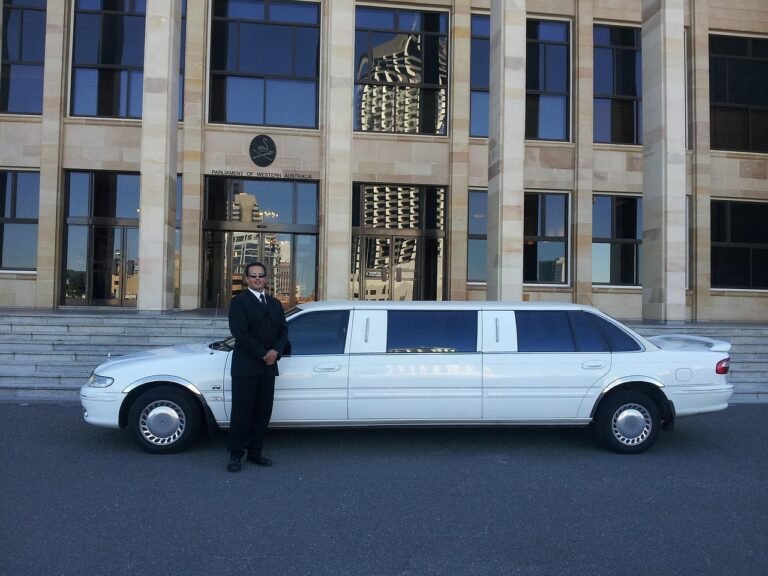
Hotel-Arranged Transport vs Booking Directly: What Changes and What It Costs
Reviewed travel guidance. This article is general planning guidance for visitors arranging ground transport in Saudi Arabia. Always check current entry requirements and airline policies before you travel.
Most travellers arriving in Saudi Arabia for business, a conference or a leisure trip default to asking the hotel front desk to sort out a car. It feels like the path of least resistance, and often it is. But the convenience of asking a concierge to “call a taxi” comes with trade-offs in price, vehicle choice and accountability that are worth understanding before your first journey, not after. This guide compares hotel-arranged transport with booking directly, so you can decide which approach actually suits your itinerary.
How hotel-arranged transport actually works
When you ask a hotel concierge or front desk to arrange a car, they are usually doing one of three things: calling a local taxi rank, phoning a driver the hotel has an informal or contracted relationship with, or opening a ride-hailing app on the hotel’s own account. In larger international hotel chains, there may be a standing arrangement with a limousine or chauffeur company that bills through the hotel folio. In smaller or independent properties, it is often whichever taxi happens to be outside, or a number the duty manager keeps on a laminated card behind the desk.
For a first-time visitor to Saudi Arabia, this can be reassuring rather than a downside. Not knowing the local geography, the going rate for a route, or which ride-hailing apps operate reliably in a given city means the hotel’s local knowledge genuinely solves a problem. The trade-off only becomes visible once you have made the same journey more than once and start to notice the price or the vehicle changing from one occasion to the next.
The car that turns up is chosen by the hotel, not by you, so vehicle type and condition can vary.
Pricing is frequently confirmed verbally at the desk rather than shown as a fixed, written quote in advance.
You are relying on the hotel’s relationship with the driver, which may or may not include vetting, insurance checks or a complaints process.
None of this makes hotel-arranged transport unsafe or unusable. Many hotels do this well and have long-standing relationships with reputable drivers. The point is that the process is opaque by default, and you generally only find out how it works the first time you use it.
What changes when you book directly
Booking directly with a transport provider, whether by phone, website or app, shifts several things back into your control. You choose the vehicle category before the driver is dispatched, rather than accepting whatever the hotel sends. You typically see the price, or at least the pricing basis, before you commit, rather than being told a figure at the desk with no way to compare it. And you deal directly with the company that is accountable if something goes wrong, rather than going through a hotel intermediary who may simply say “that’s not really our arrangement, that was just a favour.”
The trade-off is that booking directly requires a bit more planning on your part. You need to know your flight time, your pickup point and roughly how many passengers and bags you have, and you need to do this before you arrive rather than improvising at the desk. For a same-day or last-minute local trip, the hotel’s ready-made option can still be faster in practice, even if it is less transparent.
There is also a practical benefit that is easy to overlook: a direct booking usually comes with a confirmation you can check against, whether that is a reference number, a driver name, or a vehicle description sent ahead of pickup. That small piece of paperwork matters more than it sounds, particularly at a busy airport terminal where several drivers are holding up name boards and it helps to know exactly who you are looking for.
Comparing the cost structure
Hotel-arranged transport is rarely the cheapest option, and it is often not the most expensive either; it depends heavily on the property and the city. What tends to happen is a lack of price transparency rather than an automatic mark-up. You may be quoted a round number at the desk that bundles in a margin for the hotel’s convenience, with no itemised breakdown and no easy way to know if it reflects distance, time of day or vehicle type.
Booking directly with a pre-booked, fixed-price service removes that guesswork. You know the fare before the car arrives, it is tied to the specific route and vehicle you selected, and there is no ambiguity about whether waiting time, luggage or an additional stop will change the final amount at the end of the journey. For business travellers reconciling expenses, or for groups splitting a bill, having a fixed figure agreed in advance is generally more useful than a verbal estimate from a concierge desk.
Where hotel-arranged transport can genuinely cost more is in situations where the hotel is effectively acting as a broker, adding a service margin on top of whatever the driver charges. This is not unreasonable in principle, since the hotel is providing a convenience service, but it is worth asking directly what the total cost will be and whether it is fixed or metered before you get in the car.
First-time visitors in particular tend to underestimate how much price certainty matters once they are juggling currency conversion, unfamiliar denominations and a long travel day. A fixed quote agreed before departure removes one more variable from a trip that already has plenty of them, and it means the fare is not something to negotiate or double-check once you are tired after a long flight.
Reliability, accountability and flexibility when plans change
This is where the two approaches differ most in practice. With hotel-arranged transport, if a driver is late, takes a longer route than expected, or the vehicle does not match what you were told, your only point of contact is the hotel, and the hotel’s leverage over an informally arranged driver can be limited. Some properties handle this well and will intervene on a guest’s behalf; others will simply apologise and move on.
Booking directly with a dedicated transport provider means the company you booked with is the one accountable for the driver, the vehicle and the timing. If a flight is delayed, a direct booking can usually be tracked against that flight and adjusted, whereas a hotel-arranged pickup depends on someone at the desk remembering to update the driver. For airport transfers specifically, this matters: arrival halls in Saudi Arabia’s major airports can be busy, and knowing your driver is tracking your actual flight rather than a fixed pickup time reduces the risk of a mismatch. It is always worth checking current entry and arrival guidance before you travel, including the official visitor information on visitsaudi.com and the airport operator guidance published by gaca.gov.sa.
Business itineraries and conference schedules change. A meeting overruns, a flight shifts, or a group that was travelling as four suddenly needs to accommodate six with luggage. Hotel-arranged transport can struggle with this kind of change, particularly if the original arrangement depended on one specific driver or car being available. Rebooking through the desk means going through the same informal process again, with no guarantee the same standard of vehicle or price will apply. A direct booking with a transport provider that offers a defined range of vehicle categories, from a standard sedan through to a larger SUV or van, makes it easier to adjust for group size or a change in plan, because you are dealing with a service built around bookings rather than an ad hoc favour. This matters most for:
Multi-day conference or MICE trips where transport needs change day to day.
Family or group leisure travel where luggage volume varies between legs.
Business travellers who need a consistent, professional vehicle standard for client-facing pickups.
Which option actually suits which traveller
Hotel-arranged transport tends to make the most sense for a single, unplanned, short local trip where speed of arrangement matters more than price transparency, for example a same-evening dinner booking or a quick errand between meetings. It is also a reasonable fallback if a direct booking has not been made and a car is needed immediately.
Booking directly makes more sense whenever the journey is known in advance, whenever cost certainty matters for expense reporting, and whenever the traveller wants control over vehicle type and driver accountability. This applies particularly to airport transfers, intercity travel between Saudi cities, and any trip where a group or family is travelling together and needs a specific vehicle size confirmed ahead of time. Government travel advisories, including the UK’s guidance at gov.uk and the US guidance at travel.state.gov, are also worth checking as part of general trip planning, alongside your transport arrangements.
There is no rule that a traveller has to pick one approach for an entire trip. Plenty of visitors book their airport transfer directly to remove the biggest single point of uncertainty, then rely on the hotel for smaller, spontaneous trips later in the stay where speed matters more than a fixed price. Treating the decision journey by journey, rather than as an all-or-nothing choice, tends to produce the best balance of convenience and control.
Frequently asked questions
Q: Is hotel-arranged transport always more expensive than booking directly? A: Not always. It depends on the property and how the arrangement works, but it is usually less transparent about the final price than a fixed-price direct booking confirmed in advance.
Q: Can I still ask the hotel for a car if I have already booked transport directly? A: Yes, there is no conflict between the two. Some travellers book their airport transfer directly and still ask the hotel for occasional short local trips during their stay.
Q: Does booking directly guarantee a better vehicle standard? A: A direct booking lets you choose the vehicle category in advance, which gives you more certainty than accepting whatever car the hotel sends, though standards still vary by provider.
Q: What should I ask the hotel before accepting their arranged transport? A: Ask whether the price is fixed or metered, what vehicle type to expect, and how long the driver will take to arrive, so you are not agreeing to an open-ended cost.
Q: Is it better to book ground transport before I land or after I arrive? A: Booking before you land, especially for the airport transfer, means the pickup can be planned against your actual flight rather than arranged reactively once you are already in the arrivals hall.
Q: Does a direct booking cost more to arrange for a multi-day trip than repeatedly using hotel transport? A: A direct booking arranged for the whole trip typically gives clearer, comparable pricing across each leg, whereas repeated hotel-arranged trips can each involve a separate, informal quote.
If you would like a fixed-price quote tailored to your itinerary, Saudi Cab Co can arrange the right vehicle for your trip in advance. Get in touch before you travel and we will match your booking to exactly what you need.
Hiring a Car With a Driver vs Self-Drive Car Hire in Saudi Arabia
Reviewed travel guidance. This article is general planning guidance for visitors arranging ground transport in Saudi Arabia. Always check current entry requirements and airline policies before you travel.
Anyone planning a trip to Saudi Arabia eventually faces the same decision: rent a car and drive yourself, or hire a vehicle with a professional driver included. Both are legitimate options, and neither is automatically better. The right answer depends on your itinerary, how much time you have, whether you are travelling for business or leisure, and how comfortable you are navigating an unfamiliar road network. This guide sets out the practical differences so you can make the call with your specific trip in mind.
The core trade-off: control versus convenience
Self-drive hire gives you full control over your schedule. You can leave a meeting early, detour to a viewpoint, or change your route without explaining yourself to anyone. That freedom comes at a cost: you are responsible for navigation, parking, fuel, unfamiliar signage, and adapting to local driving norms, all while you may still be adjusting to time zone changes or a packed itinerary.
A car with a driver flips that balance. You lose a small amount of spontaneity but gain a fixed, predictable service where someone else handles the road, the parking, and the route planning. For business travellers moving between meetings, or for anyone arriving after a long flight who does not want to get behind the wheel immediately, that trade-off usually favours a driver.
The decision also shifts depending on group size and luggage. A solo business traveller with a single case may find self-drive perfectly manageable, since parking and check-in logistics stay simple. A family or a small group with several bags often finds that a driver-led service reduces the friction of loading and unloading at multiple stops across the day, and avoids the awkwardness of navigating an unfamiliar car park with a full boot.
Cost comparison: what you are actually paying for
Self-drive hire often looks cheaper on the headline rental rate, but the comparison is rarely like for like. A hired car with a driver bundles the vehicle, fuel, parking, insurance handling, and the driver’s time into one fixed price. Self-drive hire typically separates these out, and the extras add up:
Fuel, which you buy and manage yourself throughout the trip
Excess insurance cover, often pushed hard at the rental counter
Parking at hotels, malls, and business districts, which is not always free
Any cross-border or one-way drop-off fees if your itinerary is not a simple return trip
The time cost of navigating unfamiliar routes, which matters most on a tight business schedule
For a single point-to-point transfer, such as an airport pickup, a fixed-price chauffeur booking is usually the more transparent option because the price is agreed before you travel. For a multi-day trip where you plan to explore at your own pace across several days, self-drive can work out more economical, provided you factor in fuel and parking honestly rather than comparing only the daily rental rate.
For a fixed-price example on a specific route, an SCC airport transfer from Riyadh Airport starts from 185 SAR, which gives a useful benchmark against a rental car’s daily rate plus fuel and parking for the same single journey.
It also helps to think about payment logistics rather than only the headline figure. Self-drive hire usually requires a credit card to be held against a security deposit for the length of the rental, which some travellers would rather avoid tying up mid-trip. A chauffeur booking is typically settled as a single agreed amount, with no deposit sitting against your card for the length of your stay. Neither approach is inherently better, but knowing which suits your own budgeting style in advance avoids surprises when you collect the keys or meet your driver.
Driving conditions and what self-drive actually involves
Saudi Arabia’s intercity roads are generally well maintained, and signage on major routes includes English alongside Arabic. That said, self-drive still means adapting to local conditions: higher average speeds on motorways, driving styles that differ from what visitors may be used to, and the need to plan fuel stops on longer intercity legs where petrol stations can be spaced further apart than in a dense urban network. Urban driving in cities such as Riyadh and Jeddah involves heavy traffic at peak times, multi-lane interchanges, and parking that can be harder to find near business districts and popular attractions than visitors expect.
Climate is also worth factoring into the decision. Daytime temperatures across much of the country climb high for large parts of the year, and a self-drive itinerary means you are the one responsible for keeping the vehicle’s air conditioning running well, checking tyre condition before a long intercity leg, and carrying enough water for any unplanned stop along the way. A chauffeur-driven vehicle is checked and maintained by the operator before you ever get in, which removes one more item from your own pre-trip checklist.
None of this makes self-drive unworkable. Many domestic and GCC residents drive themselves everywhere and find it straightforward. But for a first-time visitor without local road experience, particularly one who is also trying to read a map, find a hotel, and stay on schedule, the mental load of self-drive is real and worth weighing against the modest cost saving.
Who each option genuinely suits
A car with a driver tends to suit:
Business travellers and MICE delegates moving between a hotel, a conference venue, and client meetings on a tight schedule
First-time visitors to Saudi Arabia who would rather not navigate an unfamiliar road system on day one
Anyone arriving on a long-haul flight who wants to rest rather than concentrate on driving immediately after landing
Groups or families who value a fixed price and a single point of contact rather than splitting logistics between several rental days
Self-drive tends to suit:
Domestic and GCC residents who already know the roads and simply need a vehicle
Leisure travellers with a loose, flexible itinerary who want to stop wherever they like along the way
Longer stays where the car is needed constantly across many days, making a bundled driver service less proportionate
Confident drivers who prefer full independence over a fixed schedule
These are tendencies rather than fixed rules. A confident driver who values independence might still book a driver for a single airport transfer at the start of a trip, then switch to self-drive for the rest of the stay. Mixing the two approaches within one itinerary is common, and nothing about either option prevents it.
Booking and paperwork: what each route actually requires
Self-drive hire requires an eligible driving licence recognised in Saudi Arabia (in many cases an international driving permit alongside your home licence), a credit card for the security deposit, and enough buffer time at the rental desk for the paperwork and vehicle inspection. It also means you personally carry the administrative responsibility if anything goes wrong with the vehicle during your trip, from a minor scrape to a mechanical fault.
Booking a car with a driver removes that paperwork almost entirely from your side. You agree the itinerary and the price in advance, the operator handles the vehicle and the driver, and your only real preparation is confirming pickup times and any stops you want built into the route. For travellers who would rather spend planning time on their meetings or their holiday than on rental logistics, this is a meaningful simplification.
Timing your booking matters for both routes, though in different ways. Self-drive rental cars are often best reserved well ahead of a busy travel period, since popular vehicle categories can sell out at peak times, leaving only what remains at the counter. Chauffeur bookings can usually be arranged with less lead time, particularly for a single transfer, though booking ahead still secures your preferred vehicle type and avoids any last-minute availability issues.
Whichever option you choose, it is worth checking the latest UK foreign travel advice for Saudi Arabia before you travel, since it covers practical points relevant to any ground transport plan, including road safety context and entry requirements.
Making the decision for your specific trip
There is no universally correct answer, but a few questions usually clarify it quickly. Is your itinerary mostly fixed points, such as airport, hotel, and a conference venue, or genuinely open-ended? Do you already have experience driving in the Gulf region, or would this be your first time? Is your trip short enough that a fixed daily driver rate makes sense, or long enough that a rental car earns back its cost through constant use? And how much do you value not having to think about parking, fuel, and navigation on top of everything else on your schedule?
It is also worth revisiting the decision partway through a longer trip rather than treating it as fixed from the outset. Some travellers book a driver for the first day or two while they adjust to the time difference and get their bearings, then move to self-drive once they feel confident with the roads and the layout of the city. Others do the reverse, driving themselves through the flexible early part of a trip before switching to a chauffeur for a demanding final day of back-to-back meetings.
For most business travellers, MICE delegates, and first-time leisure visitors, a car with a driver removes enough friction and uncertainty to be worth the modest premium over the headline rental rate. For confident, experienced drivers on an open-ended leisure trip, self-drive offers a freedom that a fixed chauffeur schedule cannot match. Either way, checking practical entry and travel requirements ahead of time on gov.uk’s Saudi Arabia travel advice is worth doing regardless of which transport option you choose.
Frequently asked questions
Q: Is it more expensive to hire a car with a driver than to self-drive in Saudi Arabia? A: On a single transfer or a short trip with fixed points, a chauffeur-driven car is often comparable once you add fuel, parking, and insurance excess to a rental’s daily rate. Self-drive tends to become more economical only on longer stays where the car is used constantly.
Q: Do I need an international driving permit to self-drive in Saudi Arabia? A: Licence requirements vary by nationality and rental provider, so check directly with your chosen rental company and with current UK or US government travel advice before you travel, since requirements can change.
Q: Is driving in Saudi Arabia difficult for a first-time visitor? A: Major routes are generally well signed, but city traffic, unfamiliar interchanges, and driving norms different from what many visitors are used to can make self-drive demanding on a first visit, particularly straight after a long flight.
Q: Can I book a car with a driver for just an airport transfer rather than a whole trip? A: Yes, single transfers are a common and straightforward booking, priced as a fixed fare agreed before you travel rather than a metered or hourly rate.
Q: Is self-drive better for exploring outside the main cities? A: It can be, if your itinerary is flexible and you want to stop freely along the way. For a fixed route between specific points, a pre-booked driver service is often simpler and removes the need to navigate unfamiliar intercity roads yourself.
Q: What happens if a rental car breaks down or is involved in an incident? A: With self-drive, you are responsible for contacting the rental company and following their process, which can take time to resolve. A chauffeur-driven booking removes this risk from your side entirely, since the operator manages the vehicle.
If you would like a fixed-price quote tailored to your itinerary, Saudi Cab Co can arrange the right vehicle for your trip in advance. Get in touch before you travel and we will match your booking to exactly what you need.
Meet-and-Greet Chauffeur Service vs Standard Airport Pickup: What’s the Difference
Reviewed travel guidance. This article is general planning guidance for visitors arranging ground transport in Saudi Arabia. Always check current entry requirements and airline policies before you travel.
Landing in an unfamiliar airport after a long flight is not the moment most travellers want to be figuring out signage, currency exchange counters, and taxi queues. Two very different approaches to airport ground transport promise to solve that problem: a meet-and-greet chauffeur service, and what is usually called a standard airport pickup. The names sound similar and the end result, a car to your destination, is the same. The experience of getting there is not, and the difference matters more for business travellers, conference delegates, and families with luggage than it first appears. Understanding what each option actually involves, rather than assuming they are interchangeable, makes it easier to choose the right one before you fly rather than working it out on the kerb.
Meet-and-greet versus standard pickup: the basics
What “meet-and-greet” actually means
A meet-and-greet chauffeur service is built around one core commitment: a named driver, holding a sign with your name or company on it, is waiting inside the arrivals hall when you clear immigration and collect your bags. The driver has your flight number, tracks it in real time, and adjusts their arrival to match yours, so a delayed inbound flight does not leave you standing outside with no one there. You are met, your luggage is carried, and you are walked directly to a waiting vehicle parked in a pre-arranged bay.
This is different from simply booking “a taxi to be there at 3pm.” Meet-and-greet is a service model, not just a booking time. It assumes the traveller does not know the airport, may be jet-lagged, may be carrying business materials or presentation equipment, and benefits from having someone else handle the logistics of finding the car.
What a standard airport pickup looks like
A standard pickup, whether that is a pre-booked taxi, a ride-hailing app, or an airport rank car, generally asks the traveller to do more of the work. You typically exit the terminal, locate a designated pickup zone or taxi rank yourself, and either flag down a driver or wait for an app-based driver to arrive at a shared kerbside point. There is rarely a named individual holding a sign with your name, and drivers are usually working from a general job ticket rather than tracking your specific flight.
You navigate the terminal and find the exit or rank on your own.
The vehicle is often shared kerb space with other pickups, so identifying the right car takes longer.
Luggage handling is usually your own responsibility.
Flight delays are not actively monitored, so timing can be less forgiving.
None of this makes a standard pickup a poor option. For a traveller who knows the airport, is travelling light, and simply wants point-to-point transport at the lowest possible cost, a standard pickup can be perfectly adequate for a routine, low-stakes trip.
Where the two approaches genuinely diverge
The practical differences show up most clearly in three areas: how you are found, how flight delays are handled, and how much of the arrival process is planned in advance versus figured out on the spot.
Being found versus finding your ride
In a meet-and-greet arrangement, the driver comes to you inside the terminal, at or near the arrivals gate, and often assists with a luggage trolley from that point. In a standard pickup, the responsibility runs the other way: you locate the vehicle, whether that means matching a licence plate in an app, walking to a rank, or scanning a crowd of drivers holding generic signs.
Flight delay handling
A genuine meet-and-greet service tracks your actual flight number, not just a scheduled time. If your flight lands ninety minutes late, the driver is still there when you come through. A standard pickup booked for a fixed time slot may not adjust automatically, which can mean a wait on both sides, or a driver who has already left.
Planning versus improvisation
Meet-and-greet works best when arranged before you travel, with your flight details confirmed in advance. Standard pickups can often be arranged on the spot, which suits spontaneous plans but offers less certainty for a first-time visitor or someone arriving for a fixed business commitment such as a morning meeting or conference registration.
Who benefits most from each option
The right choice depends on the traveller and the purpose of the trip, not on which option sounds more premium.
Business travellers and MICE delegates arriving for a conference, exhibition, or client meeting generally benefit from meet-and-greet, since it removes uncertainty on a trip where being on schedule matters and there is often no slack for delays at the airport.
First-time visitors to Saudi Arabia who are unfamiliar with terminal layout, signage, or the local pickup process tend to find meet-and-greet significantly less stressful after a long-haul flight.
Families travelling with children or a lot of luggage benefit from a driver who is already positioned to help, rather than needing to manage bags and small children while searching for a car.
Frequent domestic or GCC travellers who know an airport well and are travelling light may find a standard pickup perfectly efficient and better suited to a quick, low-friction trip.
Solo leisure travellers on a tighter budget, with no time pressure and a good sense of direction, often do not need the extra layer of service that meet-and-greet provides.
Airport layout, and booking considerations for Saudi Arabia
Saudi Arabia’s major international airports, including Jeddah, Riyadh, and Dammam, are large, multi-terminal facilities that handle significant volumes of international and domestic traffic. Terminal layouts, arrival routes, and designated pickup points are not always intuitive to a first-time visitor, and general authority guidance on air travel in Saudi Arabia is worth checking before you fly, available via gaca.gov.sa, the General Authority of Civil Aviation. A meet-and-greet arrangement removes the need to interpret unfamiliar signage or work out which exit leads to which pickup zone, since the driver already knows the terminal and positions themselves accordingly. For a standard pickup, allowing extra time to locate the correct kerb or rank is sensible, particularly at busier times of day.
Whichever option you choose, a few planning steps make the arrival smoother. Confirm your flight number is shared with the transport provider, not just an estimated arrival time, particularly for meet-and-greet bookings. Check entry and visa requirements well ahead of travel using official sources, such as the UK government’s foreign travel advice for Saudi Arabia or the US State Department’s country-specific guidance. If you are attending a business event with a fixed start time, build in a buffer for immigration processing, which can vary depending on time of day and flight volume. It is also worth deciding in advance whether you need a larger vehicle for group travel or extra luggage, since this affects what should be arranged before arrival rather than negotiated at the kerb.
Travellers wanting general planning context on visiting Saudi Arabia, including practical guidance for international visitors, can refer to visitsaudi.com, the Saudi Tourism Authority’s official site. For UK nationals specifically, the UK government maintains foreign travel advice pages that are worth checking before departure, and US travellers should refer to the State Department’s Saudi Arabia advisory for the latest entry and safety guidance.
Cost and value, not just price
Meet-and-greet chauffeur services generally sit at a higher price point than a standard pickup, and that is a fair reflection of the additional service involved: a driver waiting inside the terminal, flight tracking, luggage assistance, and a pre-positioned vehicle rather than a shared kerb queue. For a single leisure trip with no time pressure, the price difference may not be worth it. For a business trip where a missed connection to a first meeting has real consequences, or for a family managing several bags and young children after a long flight, the added certainty is usually the more relevant factor than the headline price. Weighing the two against the actual shape of the trip, rather than against a general assumption about which service is better, tends to produce the more useful decision.
Frequently asked questions
Q: Is meet-and-greet available at all major Saudi airports? A: Meet-and-greet chauffeur services are generally available at major international airports serving business and leisure travel, including Riyadh, Jeddah, and Dammam. Confirm coverage for your specific airport and terminal when you book.
Q: What happens if my flight is delayed and I have booked meet-and-greet? A: A genuine meet-and-greet service tracks your flight number and adjusts the driver’s arrival accordingly, so a delay should not leave you unmet. Confirm this is how the service works before you book, since not every provider tracks flights automatically.
Q: Can I book a standard airport pickup in advance rather than on arrival? A: Yes, a standard pickup can usually be pre-booked for a fixed time, though it typically relies on that scheduled time rather than active flight tracking, so it suits travellers with predictable, on-time arrivals better than those with connecting or long-haul flights.
Q: Does meet-and-greet cost significantly more than a standard pickup? A: It generally costs more, reflecting the driver’s terminal presence, flight tracking, and luggage assistance. The difference is usually worth weighing against how much certainty and convenience matter for that particular trip.
Q: Is meet-and-greet worth it for a short domestic connection within Saudi Arabia? A: For travellers who know the airport and are moving quickly between a short domestic flight and a nearby destination, a standard pickup is often sufficient. Meet-and-greet tends to add more value on international arrivals or first visits.
Q: Do I need to provide anything other than my flight number when booking meet-and-greet? A: Most providers also ask for the number of passengers, luggage volume, and any vehicle preference, so the correct car size is waiting when you land. Sharing this in advance avoids delays at the pickup point.
If you would like a fixed-price quote tailored to your itinerary, Saudi Cab Co can arrange the right vehicle for your trip in advance. Get in touch before you travel and we will match your booking to exactly what you need.
Metro vs Private Transfer in Riyadh: Which Makes Sense for Your Trip
Two genuinely different ways to move around Riyadh
Riyadh now has a working metro system alongside its established private transport options, which gives residents and visitors a real choice for the first time rather than a single obvious default. Riyadh Metro opened to passengers in December 2024, and its lines have progressively extended service across the city since then, connecting key districts including King Khalid International Airport. This guide compares the metro against a private, pre-booked transfer on the factors that actually matter for a trip: cost, time, comfort, and practicality.
Cost
The metro is, unsurprisingly, the cheaper option per journey by a wide margin, with fares paid through the darb app or at station ticket machines. For a single traveller making a short, simple journey along an existing metro line, this cost difference is significant. For a group, or for anyone carrying substantial luggage, the calculation shifts, since a private vehicle’s fixed price is shared across the group while metro fares are charged per person.
Time and convenience
When the metro works well
For a journey that runs directly along a completed metro line, between well connected stations, the metro can be genuinely quick and avoids road traffic entirely. This suits residents and longer-stay visitors who have learned the network and are travelling light, point to point, between two stations near their actual start and end locations.
When a private transfer works better
A private transfer is door to door, with no need to walk to a station, transfer between lines, or walk again at the other end. For airport arrivals with luggage, for evening trips when carrying bags or dressed for an event, or for any journey where the true start and end points are not conveniently close to a metro station, a pre-booked transfer removes several extra steps that the metro cannot avoid.
Comfort and practicality
A private vehicle offers a level of comfort, privacy, and flexibility that a shared metro system does not attempt to match, including the ability to work, take calls, or simply relax during the journey. For business travellers moving between meetings, or for anyone travelling with sensitive documents or equipment, this is often worth more than the cost saving of the metro. The metro, meanwhile, is well suited to visitors and residents making simple, unencumbered trips who prioritise speed and cost over door-to-door comfort.
A straightforward way to choose
Airport arrival with luggage, or an evening trip: a pre-booked private transfer is usually the more practical choice
A short, simple journey directly along an existing metro line, travelling light: the metro is fast and inexpensive
Business travel between meetings, where time efficiency and comfort matter most: a private transfer generally wins
Exploring the city casually over several days, on a budget: the metro is a genuinely useful addition to Riyadh’s transport options for this kind of trip
The two are not mutually exclusive
Many visitors to Riyadh end up using both across a single trip: a pre-booked private transfer for the airport arrival and any evening or luggage-heavy journeys, and the metro for simple daytime trips once settled in and travelling light. Treating them as complementary options, rather than picking one for the whole trip, generally gives the most practical result.
Cost predictability over a multi-day stay
For budgeting purposes, a private transfer’s fixed, quoted price is easier to plan around than a per-journey metro fare multiplied across an unknown number of daily trips, particularly for a first-time visitor unsure how many separate journeys a day’s sightseeing will actually involve. Travellers who prefer to know the full transport cost of a trip before they arrive, rather than estimating it as they go, will generally find pre-booked private transport easier to budget for precisely, even where the metro would technically work out cheaper per individual journey.
Accessibility and luggage on the metro
Anyone considering the metro for a journey involving substantial luggage, a stroller, or reduced mobility should factor in the walk from street level to platform, any transfers between lines, and the walk from the destination station to the final address, since none of this is handled for you the way it is with a door to door private transfer. This is not a criticism of the system, which is a genuinely useful addition to Riyadh’s transport options, simply a practical point that door to door private transport removes an entire category of physical effort that the metro, by its nature as a station-based system, cannot avoid.
The airport connection specifically
Riyadh Metro’s route toward King Khalid International Airport gives travellers a genuine low-cost option for reaching the airport from the city, provided the starting point is reasonably close to a connecting station and the traveller is comfortable managing their own luggage through the station and onto the platform. For an early morning departure, a tight connection, or simply after a long international flight, a pre-booked private transfer that collects you directly from arrivals and drops you directly at your hotel removes several extra steps that the metro journey still involves, even once the route is well connected.
A network still growing
Riyadh Metro’s lines have been extending service progressively since the system opened to the public in December 2024, and coverage across the city continues to develop. Travellers planning a trip that relies heavily on the metro should check the current line map and station list close to their travel dates, since coverage in some districts is more complete than others, and a route that is not yet convenient by metro today may become a straightforward option as the network matures.
Visitors versus residents
It is worth noting that the calculation is not identical for every traveller. A resident who has learned the metro network over time, knows the walk from station to home, and travels light as a matter of daily routine gets far more day to day value from the metro than a first-time visitor juggling luggage, an unfamiliar city layout, and a tight schedule of sightseeing or meetings. Visitors on a short trip generally get more overall value from leaning on private transfers for most of the stay, and treating a metro ride, if they try one at all, as an occasional novelty rather than a primary means of getting around.
Making the choice on the day
In practical terms, most travellers do not need to overthink this decision for every single journey. A sensible default is to pre-book private transport for anything involving luggage, an evening return, or a fixed appointment you cannot afford to be late for, and to consider the metro opportunistically for simple daytime trips once you have a feel for the network and the specific stations near where you are staying and where you need to go. Treating the decision this way, rather than committing to one method for an entire trip, generally gives the best combination of cost control and reliability across a stay in Riyadh.
Domestic Flights vs Road Transport for Getting Around Saudi Arabia
A country too large to cover by one method alone
Saudi Arabia is a big country, and the distances between its major cities are genuinely long: Riyadh to Jeddah is roughly the distance of London to Naples, and Riyadh to the Eastern Province adds another significant stretch in the opposite direction. Deciding between a domestic flight and road transport is less about which is universally better and more about matching the method to the distance, the timing, and the purpose of the trip.
When a domestic flight makes sense
For long distances between major cities, particularly Riyadh, Jeddah, Dammam, and regional hubs such as Abha or Madinah, a domestic flight is usually the faster option once total travel time is considered. Riyadh to Jeddah by air takes a little over an hour in the air, against roughly nine to ten hours by road covering around 950 kilometres. For a business traveller with a tight schedule, or anyone needing to be in another city the same day, flying is often the only realistic choice.
The trade-off is the time spent around the flight itself: getting to the airport, checking in, security, boarding, and then ground transport again at the other end. For a single short business trip, this overhead is easily worth it. For a traveller who needs to stop at several points along the way, it adds up quickly.
When road transport makes more sense
For shorter intercity distances, such as Riyadh to Dammam or Jeddah to Taif, road transport is frequently more practical than flying once airport transfer time and check-in windows are factored in. Road transport also wins clearly for any trip where the traveller needs to make stops along the way, needs door-to-door service without an airport in between, or is travelling with equipment and luggage that would be cumbersome to check in for a short flight.
Business corridors that favour the road
Riyadh to Dammam, a well-established business corridor with a direct highway route
Jeddah to Taif, particularly for travellers wanting the mountain road experience rather than a flight to a small regional airport
Jeddah to Makkah, a short journey that rarely justifies a flight
Comparing the two directly
Total time, door to door
Include airport transfer, check-in, and security time on the flight side, and total driving time including rest stops on the road side. For distances under around 300 to 400 kilometres, road transport is often comparable or faster once this full picture is accounted for. Beyond that, flying generally pulls ahead.
Cost
Domestic flights can be competitively priced, but road transport avoids airport fees and, for groups, splits cost across more passengers in a single vehicle rather than multiplying by the number of individual airfares.
Comfort and productivity
A pre-booked car or SUV allows a business traveller to work, take calls, or rest during the journey in a way that a flight, with its security queues and boarding process, does not always allow. For sensitive documents or equipment, road transport also avoids the handling and screening steps that come with air travel.
Reliability
Road transport is generally less exposed to the kind of schedule disruption that can affect flights, though drivers should always build in a margin for road conditions, particularly around Riyadh and Jeddah where city traffic can add time at peak periods.
A practical way to decide
As a working rule, distances under roughly 400 kilometres are usually decided on convenience and purpose rather than pure speed, since road and air are broadly comparable once the full journey is counted. Beyond that distance, flying is typically the faster choice for time-sensitive travel, while road transport remains the better option whenever the itinerary includes multiple stops, heavy luggage, or a preference for door-to-door service without an airport in the middle.
Luggage and equipment considerations
Domestic flights within Saudi Arabia carry the same baggage allowance limitations as any short haul flight, which can matter for business travellers carrying equipment, samples, or presentation materials beyond a standard suitcase. Road transport has no such constraint, since luggage space is limited only by the vehicle booked rather than an airline’s baggage policy. For any trip involving equipment that would be awkward or costly to check as excess baggage, this is worth weighing alongside the pure time comparison between flying and driving.
Airport downtime realities
Flight comparisons often understate the time spent inside the airport itself. Domestic check-in and security at major Saudi airports typically run efficiently, but travellers should still allow a reasonable buffer before boarding, and add the time needed to clear the terminal and reach onward transport at the arrival airport. Add both ends together and a flight that looks like an hour in the air can easily become three to four hours door to door once the full journey is counted, which is the number that should be compared against a road transport option, not the flight time alone.
Weather and seasonal factors
Both options can be affected by conditions, though in different ways. Fog is an occasional factor for flights and for mountain road routes alike, particularly around the Asir escarpment. Extreme summer heat, while rarely a direct obstacle to travel, makes a comfortable, air-conditioned road transfer a more pleasant option than waiting around at either end of a flight during the hottest months. Neither factor should be the deciding element in most trip planning, but both are worth building a small time buffer around, particularly during summer and during the cooler months when coastal fog is more common.
What the choice comes down to for most travellers
Strip away the detail and the decision usually rests on three questions: how far are you going, how much are you carrying, and how much is your time worth on that particular day. Answer those honestly for a specific trip and the right method between flying and driving is usually clear well before working through every factor above in detail. The comparison in this guide is there to support that judgement, not replace it, since every itinerary has its own specific mix of distance, schedule pressure, and practical constraints.
Combining both on a single multi-city trip
For an itinerary covering several Saudi cities in one trip, the most efficient approach is often a combination rather than a single method throughout. Flying the longest leg, such as Riyadh to Jeddah, and using road transport for shorter regional hops once in an area, such as Jeddah to Taif or Riyadh to Dammam, generally gives the best balance of speed and practicality. Planning this combination before departure, rather than deciding leg by leg as the trip unfolds, makes it easier to book both flights and ground transport with confirmed timings that connect properly rather than leaving large unplanned gaps between arrival and onward transport.
Booking each leg with the right lead time
Domestic flights and pre-booked road transport reward different booking habits. Domestic airfares within Saudi Arabia often benefit from booking ahead of time, as with most airlines, so confirming flight legs early in your planning is generally worthwhile. Road transport does not carry the same fare volatility, but booking ahead still matters for vehicle and driver availability, particularly around busy periods, holidays, and major events. Treating both legs of a multi-city trip as needing early confirmation, rather than assuming ground transport can always be arranged at the last minute, avoids unnecessary stress closer to the travel date.
Renting a Car vs Pre-Booked Professional Transport: A Real Comparison
Two ways to get from A to B, one real decision
Renting a car and booking a pre-booked professional transport service both get a traveller from the airport to the hotel, or from one city to another, but the total picture looks quite different once you account for cost, time, and effort rather than just the headline rental rate. This is a straightforward, practical comparison, not an argument for one option over the other, because the right answer genuinely depends on the trip.
Upfront cost versus total cost
A rental car’s daily rate is usually the cheapest-looking number on paper. Once you add mandatory insurance, a young driver surcharge if applicable, fuel, tolls, and airport concession fees, the total often climbs well past the initial quote. Pre-booked transport, by contrast, is typically quoted as a single all-in price per journey, which makes it easier to compare directly against the true cost of a hire car once every extra is included.
For a single point-to-point trip, such as an airport transfer or a return journey between two cities, pre-booked transport is frequently the more transparent option on cost, because the price quoted at booking is the price paid. For a multi-day trip involving several separate journeys each day, a hire car can work out cheaper in pure cash terms, provided the traveller is comfortable absorbing the extra costs of fuel, parking, and insurance.
Licence and documentation requirements
Self-drive car hire in Saudi Arabia requires a valid driving licence recognised for use in the country, and visitors should check current requirements, including whether an International Driving Permit is needed alongside their home licence, before relying on being able to hire a car on arrival. Requirements can change, so this is worth confirming directly with the rental company or checking current UK government travel advice before travel. Pre-booked professional transport removes this requirement entirely, since the traveller is a passenger rather than a driver.
Driving conditions and fatigue
Saudi Arabia’s intercity highways are generally well built, but conditions vary: long desert stretches with limited service stops, fast-moving traffic in city centres, and mountain roads with steep gradients in regions such as Asir. For a traveller unfamiliar with local road conventions, navigating unfamiliar signage, in a second language, after a long flight, adds a fatigue factor that is easy to underestimate. A pre-booked driver removes that fatigue entirely and lets a business traveller arrive ready to work rather than having just driven several hours.
Flexibility and control
A hire car offers genuine independence: the freedom to stop wherever you like, change plans on a whim, and set your own schedule without coordinating pickup times. This matters for road trip style itineraries where the journey itself is part of the experience, such as a slower exploration of the coastline or countryside. Pre-booked transport trades some of that spontaneity for predictability, a fixed schedule, and no need to find parking, which tends to matter more for business trips and city-to-city transfers than for leisure road trips.
Insurance and liability
With a hire car, the driver carries direct responsibility for the vehicle and is exposed to excess charges, damage disputes, and claims processes if anything goes wrong. With pre-booked professional transport, liability for the vehicle sits with the operator and its driver, not the passenger. For business travellers and companies with a duty of care to staff, this shift in liability is often a meaningful factor on its own, separate from cost.
A quick way to decide
Single city-to-city or airport transfer, especially for business: pre-booked transport is usually simpler and more predictable
Multi-stop road trip with flexible timing: a hire car offers more control, provided you are comfortable with local driving conditions
Travelling after a long flight, or need to work en route: a pre-booked driver removes fatigue and frees up time
Group travel with heavy luggage: a pre-booked larger vehicle is usually easier than coordinating multiple hire cars
What each option actually asks of the traveller
It is worth being honest about the effort each option genuinely requires. Hiring a car asks the traveller to research current licence requirements, arrange insurance, navigate unfamiliar roads and signage, and remain alert throughout every journey, on top of whatever the trip itself already demands. Pre-booked professional transport asks almost nothing of the traveller beyond confirming a pickup time and location, with everything else handled by the provider. Neither is inherently the wrong choice, but it is worth being realistic about how much of your own time and attention each option will consume before deciding, rather than judging purely on the headline price.
Parking and city driving
An often overlooked cost of a hire car is what happens once you actually arrive somewhere. Hotels in busy districts of Riyadh and Jeddah may charge for parking, and finding a space near a meeting venue or a popular restaurant during peak hours can eat into a schedule that looked comfortable on paper. Pre-booked transport avoids this entirely, since the vehicle simply drops the passenger at the entrance and moves on, with no parking search and no separate parking fee to budget for.
For a business traveller with back to back meetings across a single day in one city, this difference alone can be worth more than the headline cost comparison between the two options, since it removes an unpredictable amount of time from every stop on the schedule.
A closer look at real numbers
As a general pattern rather than a fixed quote, a multi-day hire car for a single traveller, once insurance, fuel, and incidental charges are included, often lands in a broadly similar range to several pre-booked point to point journeys covering the same trips, once the pre-booked option’s predictability and lack of extra fees are factored in. The comparison shifts further in favour of pre-booked transport for shorter stays, and further in favour of a hire car for longer, more open-ended itineraries with many separate short trips across many days. There is no single right answer, which is exactly why it is worth running the comparison for your specific itinerary rather than defaulting to whichever option is more familiar.
A hybrid approach for longer trips
Many travellers do not need to choose exclusively between the two. A common and sensible pattern for a longer visit is to use pre-booked transport for the airport transfer and any single long intercity journey, where fatigue and unfamiliar roads matter most, and to hire a car only for a specific, contained portion of the trip, such as a few days of flexible local exploration once settled in a single base. This hybrid approach captures the predictability of pre-booked transport where it matters most, while still allowing for independence during the part of the trip where flexibility is genuinely valuable.
What business travellers usually decide
In practice, the large majority of business travellers to Saudi Arabia default to pre-booked professional transport rather than self-drive car hire, and the reasoning is fairly consistent across the trips where it applies: predictable cost, no licence or insurance complications, no fatigue from unfamiliar roads, and the ability to work during the journey rather than concentrate on driving. Self-drive hire tends to appear more often in leisure and independent travel itineraries, where the flexibility of setting your own route and pace is itself part of the appeal of the trip, rather than a logistical necessity to be minimised.
Ride-Hailing Apps vs a Dedicated Driver for a Multi-Day Saudi Trip
Reviewed planning guidance. This article offers general planning guidance comparing transport options for multi-day trips; specific costs and availability should be confirmed directly with providers before travelling.
For a multi-day trip across Saudi Arabia, whether for business or leisure, one of the more consequential planning decisions is how you handle ground transport for the whole stay: booking separate ride-hailing trips as you go, or arranging a dedicated driver and vehicle for the duration. This article works through the comparison on cost logic, reliability, local knowledge, and luggage handling, aimed at travellers trying to decide which approach actually fits their itinerary rather than which sounds more efficient in the abstract.
The basic shape of each option
Booking separate ride-hailing trips means requesting a new ride each time you need to move, from a different driver and vehicle every time, priced individually per trip based on distance, time and current demand. A dedicated driver arrangement means one driver and one vehicle committed to you for a set period, typically a day rate or multi-day rate agreed in advance, available for however many trips your schedule requires within that period.
Neither is inherently the correct choice; the right answer depends heavily on how your specific days are structured, how many separate journeys you actually need, and how much you value continuity versus flexibility. A trip built around a single hotel and a single meeting venue looks very different, in transport terms, from one that moves across two or three cities with a different itinerary each day, even if the total number of nights away is the same.
The cost comparison logic, properly worked through
A fair cost comparison has to account for total trips, not just the per-trip price. A single ride-hailing journey is often cheaper in isolation than a proportional share of a full-day driver rate. But a multi-day itinerary rarely involves just one or two trips a day; a typical business day might include an airport or hotel pickup, transport to two or three meetings, a lunch venue, and a return to the hotel, each of which is a separate ride-hailing booking with its own base fare, waiting risk and potential surge exposure.
Add up the realistic number of separate trips per day across your actual itinerary, not an idealised minimum, before comparing to a day rate.
Factor in that a dedicated vehicle can also wait during a meeting or activity rather than needing to be rebooked for the return leg, which a per-trip ride-hailing model cannot easily replicate without booking (and paying for) a wait.
Remember that a day-rate driver’s cost is fixed regardless of traffic delays or route changes during the day, while accumulated ride-hailing trips carry the same per-trip demand and traffic exposure each time.
Include the cost of any wasted trips in the ride-hailing total, such as a booking cancelled because a driver could not locate the pickup point, since these are a real cost even when no journey is actually completed.
For a light schedule with one or two trips a day, separate bookings often work out more economical. For a packed schedule with several stops, waiting requirements, or same-day round trips, a dedicated vehicle frequently comes out ahead once the full day’s transport is totalled honestly.
Reliability across a multi-day trip
Reliability is where the two approaches diverge most clearly. Each separate ride-hailing booking is an independent event: a new driver, no memory of your previous trips, and full exposure to whatever demand and availability conditions exist at that specific moment, including the possibility of no vehicles being available at all during a genuine demand spike. Across a multi-day trip with many separate bookings, this repeats every single time you need to move.
A dedicated driver removes most of that variability. The same driver and vehicle are committed to your schedule for the period booked, which means no repeated risk of unavailability, no need to re-explain your destination or preferences each time, and a single point of contact if your plans shift during the day, which they often do on both business and leisure trips.
This reliability compounds over a longer trip in a way that is easy to underestimate in advance. A single unreliable ride-hailing pickup on a one-day visit is an annoyance; the same unreliability repeated across ten or twelve separate bookings over a week-long, multi-city stay becomes a recurring source of friction that eats into meeting time, sightseeing time, or simply patience, in a way that a single upfront decision to book a dedicated vehicle avoids entirely.
Local knowledge and how much it actually matters
A driver engaged for a multi-day stay tends to build a working understanding of your itinerary that a series of one-off ride-hailing drivers cannot. This shows up in practical ways: knowing the quickest realistic route at a given time of day rather than following a single app-suggested path, knowing which entrance of a large venue or hotel complex to use, and being able to suggest a sensible lunch stop or waiting point between meetings. For a first-time visitor unfamiliar with a city’s layout, this local knowledge has real value beyond the transport itself.
This matters less on trips confined to well-marked, single-destination journeys, such as a straightforward airport transfer, where a ride-hailing driver’s local knowledge of that one route is entirely sufficient.
Over several days, a dedicated driver also starts to anticipate your preferences without being asked each time, such as which side entrance of a conference venue you prefer, or that you like to leave slightly early to account for known congestion on a particular stretch of road at a certain hour. These are small things individually, but across a demanding multi-day schedule they add up to a noticeably smoother experience than starting from scratch with a new driver on every single trip.
Luggage handling and practical day-to-day friction
For trips involving business equipment, sample cases, or simply more luggage than a single carry-on, a dedicated vehicle removes a repeated hassle: loading and unloading luggage into a different vehicle for every single trip, sometimes with a driver unfamiliar with fitting awkward items into their specific car. A dedicated vehicle and driver who already know what you are travelling with can often keep items secured in the vehicle between short stops rather than needing everything unloaded and reloaded at every destination.
This becomes particularly relevant for business travellers moving between multiple meetings in a single day with presentation materials or equipment, or leisure travellers on a multi-city itinerary who would otherwise be repacking a boot several times a day.
The same logic extends to equipment that is awkward rather than simply heavy, such as display materials, sample products or camera gear for a leisure photographer moving between locations. A driver who has already worked out the best way to fit these items into the vehicle on day one does not need to solve the same puzzle again at every subsequent pickup, which is a small but genuinely time-saving detail on a trip with several stops a day.
When each approach wins
Ride-hailing per trip tends to win for a light itinerary with only one or two journeys a day, for travellers who want maximum flexibility to change plans hour to hour with no ongoing commitment, and for short single-purpose trips such as a straightforward hotel-to-airport transfer.
A dedicated driver tends to win for packed multi-stop business days, for multi-day itineraries covering several cities or a mix of meetings and sightseeing, for travellers carrying significant luggage or equipment, and for anyone who values a single consistent point of contact over the course of a demanding trip.
Many travellers on longer trips end up using a mix: a dedicated vehicle for the core business days, and occasional standalone rides for a single evening outing that falls outside the main schedule. There is no rule that says the whole trip has to use one model exclusively; matching the model to the actual shape of each day’s plans is the more useful way to think about it.
Making the decision for your own itinerary
The most useful exercise before booking either option is simply to sketch out a rough hour-by-hour plan for each day of the trip and count the actual number of separate journeys it implies. A business trip with back-to-back meetings across a single city, a lunch stop, and an evening return to the hotel typically involves more separate legs than people initially assume when they picture the day in the abstract. A leisure trip built around one or two fixed activities a day, with the rest of the time spent on foot or resting at a hotel, often involves fewer.
Once that rough count exists for each day, comparing it honestly against a day-rate quote, including any waiting time your schedule would require, gives a far more reliable basis for the decision than a general impression of which option “should” be cheaper or more convenient.
Frequently asked questions
Q: Is a dedicated driver always more expensive than booking separate rides? A: Not necessarily; for a light schedule with few trips, separate bookings can be cheaper, but for a packed multi-stop schedule a day-rate driver often works out comparable or better once every trip is totalled honestly.
Q: Can I change my schedule during the day with a dedicated driver? A: Yes, this is one of the practical advantages, since a driver already engaged for your day can generally adapt to schedule changes far more easily than booking a fresh ride-hailing trip for each unplanned stop.
Q: Does a dedicated driver wait during meetings? A: This depends on the specific arrangement agreed with your provider; waiting time is typically factored into a day rate, so confirm this detail when booking rather than assuming it is automatically included.
Q: Is ride-hailing available across Saudi Arabia’s main cities? A: Ride-hailing apps operate in Saudi Arabia’s major cities, though availability and wait times vary by location and time of day, so it is worth checking coverage for your specific destinations.
Q: What is the minimum trip length that makes a dedicated driver worthwhile? A: There is no fixed threshold, but a busy single day with three or more separate journeys, or any multi-day stay, is usually where a dedicated vehicle starts to make practical and financial sense.
Q: Can I book a dedicated driver just for part of a longer trip? A: Yes, many travellers combine a dedicated vehicle for their core business or touring days with separate ad hoc rides for occasional outings outside the main schedule.
For your next multi-day trip across Saudi Arabia, Saudi Cab Co can arrange a dedicated vehicle and driver for the full stay, or a fixed-price quote for individual transfers, whichever fits your itinerary. Get in touch to compare options and book the arrangement that suits your schedule.
When a Pre-Booked Transfer Beats a Hire Car in Saudi Arabia
Reviewed planning guidance. Details can change; use the linked official sources and get a live quote for current pricing and availability.
Renting a car in Saudi Arabia is simple on paper. Show a valid licence, hand over a credit card, sign the agreement, and you can be on the road within twenty minutes of landing. Whether you actually should is a separate question, and the honest answer is that it depends on the trip, not on how confident a driver you are at home. A business traveller landing at ten at night after a long-haul flight has a very different set of needs to a family spending five days touring independently between Riyadh and AlUla. Saudi Arabia now supports both models well, so the choice comes down to matching the option to the journey rather than defaulting to whichever one you’d normally pick elsewhere.
Two very different ways to get around
Self-drive: freedom on your terms
Hiring a car gives you full control of your schedule. You can stop wherever you like, change plans on a whim, and avoid waiting on anyone else’s timetable. For an open-ended road trip with several stops that don’t have easy transfer links between them, a hire car is often genuinely the more practical option, and there’s no reason to talk anyone out of it if that’s the kind of trip they’ve planned.
Pre-booked transfer: someone else does the driving
A pre-booked chauffeur or transfer service works the other way round. You agree a pickup point, a destination and a price before you travel, and the driving, the navigating and the parking all become somebody else’s problem. That trade-off matters more on some trips than others, which is really what this comes down to.
Both models are legitimate, well-established ways to get around Saudi Arabia, and neither is objectively better. The mistake is picking one out of habit rather than working out which one actually fits the trip in front of you. Someone who drives for a living back home might find self-drive genuinely relaxing; someone who rarely drives outside their own city might find the same trip more tiring than the flight that preceded it.
Driving norms that catch visitors off guard
Saudi Arabia’s road network has improved substantially in recent years, with modern motorways connecting the major cities, but the driving culture and conditions still take some adjusting to for a first-time visitor. Distances between cities are large, desert roads can be featureless for long stretches, and local driving styles are often faster and more assertive than visitors from Europe or North America are used to. Signage is generally good on major routes but can thin out once you leave them, and satellite navigation apps don’t always account for local road closures or temporary diversions around construction.
Fuel stops and rest breaks also need more forward planning than they might elsewhere. Between major cities, service stations can be spaced well apart, and in summer the heat makes a breakdown or a long wait considerably more uncomfortable than the same delay would be in a milder climate. Visitors used to dense, closely spaced infrastructure sometimes underestimate how much of Saudi Arabia’s road network runs through genuinely sparse terrain, and it pays to plan fuel and rest stops before setting off rather than assuming the next town is always close.
None of this makes self-drive unworkable. It does mean the mental workload of navigating in an unfamiliar country, in unfamiliar traffic, after a long flight, is higher than it might be at home. That workload is exactly what a pre-booked driver removes, which is worth weighing honestly rather than assuming jet lag won’t be a factor.
When self-drive genuinely makes more sense
There are trips where hiring a car is clearly the better call, and it’s worth being specific about them rather than treating self-drive as a lesser option across the board.
Multi-stop independent road trips where you want to build your own route between several towns and natural sites without a fixed itinerary.
Trips with a lot of downtime built in, where the car sits parked for hours and paying a driver to wait doesn’t make financial sense.
Travellers who are confident driving in unfamiliar countries, arrive well rested, and enjoy the process of navigating rather than finding it stressful.
Longer stays, typically a week or more, where the daily cost of a hire car works out lower than repeated pre-booked journeys.
If your trip fits that pattern, a hire car is a reasonable choice and there’s no need to overthink it. Our guide to weekend trips from Riyadh covers some of the routes where a hire car and a pre-booked transfer are genuinely close calls, which is a useful comparison if you’re still deciding.
When a pre-booked driver is clearly the better call
Just as often, the opposite is true, and pushing through with a hire car costs more in stress and lost time than it saves in flexibility.
Airport arrivals, especially after an overnight or long-haul flight, when navigating an unfamiliar city on tired reactions is a genuine safety consideration, not just a comfort one.
Business trips where the itinerary is fixed and back-to-back, and the value of the traveller’s time is higher than the cost of a driver.
First visits to a city where you don’t yet know the layout, parking situation or one-way systems, and would rather spend the trip working or resting than learning the road network.
Group travel where splitting into multiple hire cars is more expensive and less coordinated than one larger vehicle with a driver.
Evening and night journeys, when fatigue and reduced visibility both work against an unfamiliar driver.
Hire cars often look cheaper on the headline daily rate, but the full cost picture includes fuel, insurance excess, any cross-border or one-way drop fees, and parking at hotels and venues that isn’t always included in the room rate. A pre-booked transfer or chauffeur day rate looks higher up front but is usually a fixed, known number with nothing added later. If you’re comparing pricing models generally, our article on fixed quotes versus metered and app-based fares explains how the fixed-price model works in more detail, and the same logic applies when you’re weighing it against a hire car rather than a taxi.
Time is worth including in the comparison too, even though it’s harder to put a number on. An hour spent finding a parking space or working out a diversion is an hour not spent at a meeting, a site, or simply resting. For business travellers in particular, that hour usually has a real cost attached to it, even if it never appears on an invoice.
Making the right call for your trip
The practical approach is to separate your trip into legs rather than treating the whole visit as one decision. A first airport transfer after a long flight, a fixed schedule of meetings in one city, or an evening arrival into an unfamiliar area are all strong cases for a pre-booked driver. A loosely planned few days moving independently between towns, with plenty of daylight driving and no fixed schedule, tends to suit a hire car better. Plenty of visitors use both within the same trip: a driver for the arrival and any business days, and a hire car for a self-planned leg later on. That mixed approach often ends up being both more comfortable and better value than committing to one model for the entire visit.
It’s also worth being honest about how the decision changes over the course of a longer trip. A traveller who feels confident behind the wheel on day one, after a good night’s sleep and in daylight, may feel very differently after a long day of meetings or an unplanned late finish. Building in the option to switch, keeping a pre-booked transfer as a fallback even on a trip planned around self-drive, is a sensible piece of contingency planning rather than an admission that the original plan was wrong.
Frequently asked questions
Can visitors use a foreign driving licence to hire a car in Saudi Arabia?
Rules on which licences are accepted and for how long can change, so check current requirements directly with gov.uk foreign travel advice for Saudi Arabia or travel.state.gov before you travel, and confirm with your hire company at the point of booking.
Is it safe for a first-time visitor to self-drive in Saudi Arabia?
Major routes between cities are well maintained, but driving styles, distances and signage outside main corridors take some adjustment. Confident, well-rested drivers generally manage well; if you’re arriving after a long flight, a pre-booked transfer for that first leg is worth considering regardless of how confident a driver you are.
Is a pre-booked transfer more expensive than a hire car?
Not necessarily once you add up fuel, insurance and parking against a hire car’s daily rate. A pre-booked transfer gives you a fixed price agreed before travel, which makes budgeting easier even where the headline number looks higher.
Can I book a pre-booked transfer for just one leg of my trip and hire a car for the rest?
Yes, and this is a common approach. Many travellers book a driver for the airport arrival or a business-heavy stretch, then hire a car separately for a self-planned road trip later in the visit.
Do pre-booked transfers cover intercity journeys, not just airport runs?
Yes, pre-booked transfer and chauffeur services typically cover both airport transfers and longer intercity routes, with the price agreed in advance either way.
What should I check before booking either option?
For a hire car, confirm licence requirements, insurance excess and drop-off fees. For a pre-booked driver, confirm the company’s licensing and vehicle standards; our guide on what to check before booking a private driver in Saudi Arabia covers the specific points worth verifying.
If your trip involves an airport arrival, a packed business schedule or an evening transfer where you’d rather not be finding your own way, book a reliable ride with Saudi Cab Co and get a fixed, upfront quote before you travel.
Pre-booked chauffeur vs airport taxi rank: which is right for your trip
Reviewed planning guidance. Details can change; use the linked official sources and get a live quote for current pricing and availability.
You land in Riyadh or Jeddah after a long flight, and the first decision of your trip is already in front of you: turn left for the taxi rank, or walk out to a driver who already knows your name and your flight number. It seems like a small choice. For a lot of travellers it sets the tone for the whole visit, especially if the flight was delayed, the airport is unfamiliar, or you’re arriving for a meeting rather than a holiday.
This article walks through what each option actually involves in practice, where the real differences are, and which one suits which kind of trip. There are no invented prices or timings here. Airport conditions change by hour and by terminal, so for a firm cost and pickup time for your specific route, the most reliable way is to get a quote through the Saudi Cab Co booking form before you fly.
What an airport taxi rank experience typically involves
Taxi ranks at major airports work broadly the same way around the world, and Saudi Arabia’s are no exception. You collect your baggage, clear the arrivals hall, and follow signage to the designated taxi area, which at a busy international airport can be a walk rather than a few steps.
From there, a few things are largely out of your hands.
Queueing. Ranks are managed on a first-come, first-served basis, sometimes with a marshal directing you to the next available car. How long you wait depends on the time of day, the number of flights landing around yours, and how many taxis are working that shift. Midday and late-night arrivals can behave very differently from a rank you’d expect at, say, 9am on a weekday.
Agreeing or metering the fare. Depending on the vehicle and operator, you’ll either agree a fare with the driver before setting off or the fare will run on a meter. Either way, the number isn’t fixed until you’re at the airport, in the queue, having that conversation. If you don’t know the going rate for your route, you’re negotiating (or trusting a meter) with limited information, in a language that may not be your first, after a long flight.
Variable driver and vehicle standards. Airport ranks pool together drivers and vehicles from multiple operators or independent owners. Most of the time this is entirely fine. But you don’t get to choose who picks you up, what condition the car is in, or whether the driver has clear English if you need directions or help with luggage. For a solo traveller, a family with children, or someone travelling for business who wants a predictable, presentable arrival, that’s a genuine unknown rather than a preference.
No visibility before you land. The rank doesn’t know your flight is coming. If your flight is delayed, diverted, or early, that’s not factored into anything, you simply join whatever queue exists when you walk out. There’s no driver tracking your arrival time and adjusting their schedule around it.
None of this makes taxi ranks a poor option. They exist at every major airport for a reason: they’re immediate, they don’t require any planning ahead, and for short, low-stakes journeys they do the job. The trade-off is that you’re accepting some uncertainty in exchange for not having to book anything in advance.
What pre-booking changes
Booking a chauffeur transfer with Saudi Cab Co before you fly removes most of the variables above, because the pricing, the vehicle, and the driver are all settled while you’re still at home.
A price agreed before you fly. When you book through the Saudi Cab Co form, you get a quote for your specific route and vehicle type in advance. There’s no negotiation at the kerb and no meter running while you sit in traffic. You know the cost of getting from the airport to your hotel, office, or home before you’ve even packed your bag. For business travellers claiming expenses, that also means a clean, predictable figure to put on a claim form rather than a cash receipt scribbled at the airport.
Flight tracking. A pre-booked transfer is tied to your flight number, not a fixed clock time. If your flight lands early, late, or gets delayed on the tarmac, the pickup adjusts around the actual arrival rather than a scheduled one. This matters more than it sounds. A rank doesn’t care that your flight sat on the runway for forty minutes. A pre-booked service built around your flight number does.
A named driver. You know, ahead of time, that someone is assigned to your pickup, waiting in the arrivals hall (often with a name board), rather than being whoever happens to be at the front of a queue. For a first-time visitor to Saudi Arabia, or anyone arriving somewhere unfamiliar late at night, having a specific person expecting you removes a layer of uncertainty that’s easy to underestimate until you’re standing in a busy arrivals hall trying to work out which door leads to which car park.
A guaranteed vehicle standard. Rather than whatever car happens to be next in the rank, you know in advance what class of vehicle you’re getting, whether that’s a standard saloon, an SUV for a family with luggage, or a higher-end car for a client pickup. If you need a particular seating capacity, extra boot space, or a specific standard of presentation for a business arrival, pre-booking is the only way to guarantee it rather than hope for it.
The trade-off runs the other way to the rank: you’re giving up the very last-minute flexibility of just walking outside and taking whatever’s there, in exchange for certainty about price, vehicle, and who’s meeting you.
Honest scenarios: when each option makes more sense
Neither option is universally right. Here’s a more grounded look at when each tends to serve travellers better.
When a taxi rank is a reasonable choice
A rank tends to suit trips where flexibility matters more than certainty. If your plans are genuinely open (you’re not sure yet whether you’re heading straight into the city or stopping somewhere en route), a rank lets you decide on the spot rather than committing in advance. It also suits travellers who are comfortable navigating unfamiliar systems, don’t mind a short wait, and are making a short, well-understood journey where a wrong guess on fare or timing isn’t a big deal. If you land at a quiet time of day and the queue is short, it can genuinely be the faster option simply because there’s nothing to arrange beforehand.
It also suits anyone whose flight time is firm and unlikely to move much, and who isn’t carrying much luggage, isn’t unfamiliar with the airport, and isn’t arriving somewhere they need to be at a specific time, such as a same-day meeting.
Cost can factor in too. If you’re travelling on a tight personal budget and you’re comfortable negotiating a fare or reading a meter, the rank gives you the chance to weigh options on the spot in a way a pre-arranged fixed price doesn’t. That’s a legitimate reason to choose it, not just a fallback for people who forgot to book ahead.
When pre-booking makes more sense
Pre-booking tends to pay off in situations where uncertainty carries a real cost.
Business travel is the clearest case. If you’re heading straight into a meeting, a client visit, or a conference from the airport, you don’t want your first hour in the country spent queueing or negotiating a fare. A pre-booked chauffeur means you can work, make calls, or simply arrive composed rather than flustered, and the driver is already tracking your flight so there’s no risk of them, or you, waiting around unnecessarily.
Late-night or early-morning arrivals are another. Ranks can look and feel very different at 2am than they do at midday, and having a named driver waiting for you, rather than working out an unfamiliar system in the middle of the night, is a meaningful difference for solo travellers in particular.
First-time visitors to Saudi Arabia often prefer pre-booking simply to remove one unknown from a trip that already has plenty of new things to navigate, from immigration and customs procedures to getting your bearings in a new city. The UK’s gov.uk travel advice for Saudi Arabia and Saudi Arabia’s own visitsaudi.com are useful starting points for general entry and travel planning, and neither substitutes for having your onward transport sorted before you land.
Families and groups with luggage benefit from knowing the vehicle size is confirmed in advance rather than hoping a rank has something suitable available. Long journeys from the airport, where a wrong fare estimate or a poor vehicle choice compounds over distance, also favour a fixed price agreed upfront.
And if your schedule is tight, connecting onward to a domestic flight, a train, or a fixed appointment, flight tracking on a pre-booked transfer is the difference between a driver who’s still there when you eventually clear arrivals and a queue that has no idea your flight was delayed.
A quick side-by-side
| | Airport taxi rank | Pre-booked chauffeur |
|—|—|—|
| Price | Agreed or metered on the spot | Agreed before you fly |
| Wait time | Varies with time of day and demand | Driver timed to your flight |
| Vehicle | Whatever’s next in the queue | Class confirmed at booking |
| Driver | Assigned at random from the rank | Named, assigned to your pickup |
| Flight delays | Not accounted for | Tracked and adjusted for |
| Flexibility | High, decide on arrival | Lower, but nothing to arrange on the day |
| Best for | Short notice, flexible plans | Business travel, families, night arrivals, tight schedules |
Practical airport context
Saudi Arabia’s major international airports, including King Khalid International in Riyadh and King Abdulaziz International in Jeddah, handle high volumes of international arrivals, and terminal procedures, visa and e-gate processes, and ground transport areas are set out by the General Authority of Civil Aviation (GACA) and the airports themselves. If you’re unfamiliar with a particular terminal’s layout or current arrival procedures, it’s worth checking the relevant airport’s own guidance or GACA before you travel, alongside general visitor information from visitsaudi.com. None of this changes the taxi-versus-chauffeur decision directly, but knowing roughly what to expect once you’re through arrivals makes either option easier to manage on the day.
It’s also worth remembering that ground transport areas at larger airports aren’t always right outside the terminal doors. Some require a walk, a shuttle, or a lift to a different level, and signage varies by terminal. A pre-booked driver who already knows the pickup point for your specific terminal removes that bit of guesswork, whereas at a rank you’re following signage and, often, other passengers.
Frequently asked questions
Is it more expensive to pre-book a chauffeur than to use the taxi rank?
It depends on the route, the vehicle, and the time of day, so there’s no single answer that holds for every trip. What pre-booking gives you is certainty: you see the price before you fly rather than finding out at the kerb. If cost comparison matters for your trip, request a quote through the Saudi Cab Co booking form and weigh it against what you’d expect to pay at the rank for the same route and vehicle type.
What happens if my flight is delayed and I’ve pre-booked?
A pre-booked Saudi Cab Co transfer is linked to your flight number, so the pickup is planned around your actual landing time rather than a fixed clock time. If your flight runs late, that’s factored in rather than treated as a missed booking.
Can I still get a taxi if I haven’t booked in advance?
Yes. Taxi ranks operate at all major Saudi airports and are available to walk-up passengers without any prior arrangement. The trade-off, as covered above, is that price, wait time, and vehicle standard are all determined on the spot rather than known in advance.
Is pre-booking worth it for a short, simple airport-to-city journey?
For a straightforward, well-understood route with no time pressure, a taxi rank can work perfectly well. Pre-booking adds the most value when you want a fixed price agreed in advance, a guaranteed vehicle standard, or the reassurance of a named driver tracking your flight, particularly for first-time visitors or late-night arrivals.
Do I need to arrange anything special as a solo traveller or a woman travelling alone?
Saudi Arabia has opened significantly to independent and leisure travel in recent years, and general visitor guidance is available from visitsaudi.com and, for UK travellers, gov.uk’s travel advice pages. Many travellers, solo or otherwise, simply prefer the certainty of a named driver waiting for them at arrivals rather than navigating an unfamiliar rank system alone, particularly outside daylight hours.
How far in advance should I book my airport transfer?
There’s no strict cut-off, but booking before you fly, rather than trying to arrange something after you land, is what allows the price, vehicle, and driver to all be confirmed in advance. If your travel dates are set, it’s worth submitting your details through the Saudi Cab Co booking form as soon as your flight is booked.
Transport, airport, visa and visitor arrangements can change. These official sources are provided so you can check the current position for your journey. Checked 2026-07-25.
Whichever way you’re leaning, the practical difference comes down to how much certainty you want before you land. If that’s a fixed price, a named driver, and a car that’s already tracking your flight, Saudi Cab Co’s booking form takes a couple of minutes to fill in and gives you a quote for your exact route before you travel.
Saudi Cab Co is an independent transport booking agency. We are not part of, endorsed by or affiliated with the Government of Saudi Arabia, any ministry or any transport authority. We arrange journeys with vetted Saudi-based transport partners and do not issue visas, permits or official approvals.