Reviewed travel guidance. This article is general planning guidance for visitors arranging ground transport in Saudi Arabia. Always check current entry requirements and airline policies before you travel.
Saudi Arabia’s business environment has opened up considerably over the past few years, but visiting professionals still benefit from understanding how dress and meeting etiquette work locally before they arrive. Getting the basics right, from what to wear to how a first meeting typically unfolds, helps you make a good impression and avoid the small missteps that can distract from the business at hand. Norms also vary between industries and between conservative government offices and international corporate campuses, so this guide focuses on sensible defaults that work well in most settings rather than a single rigid rule. It covers the practical points that matter most for delegates, executives and consultants attending meetings, conferences or site visits in Saudi cities.
What to wear to a business meeting
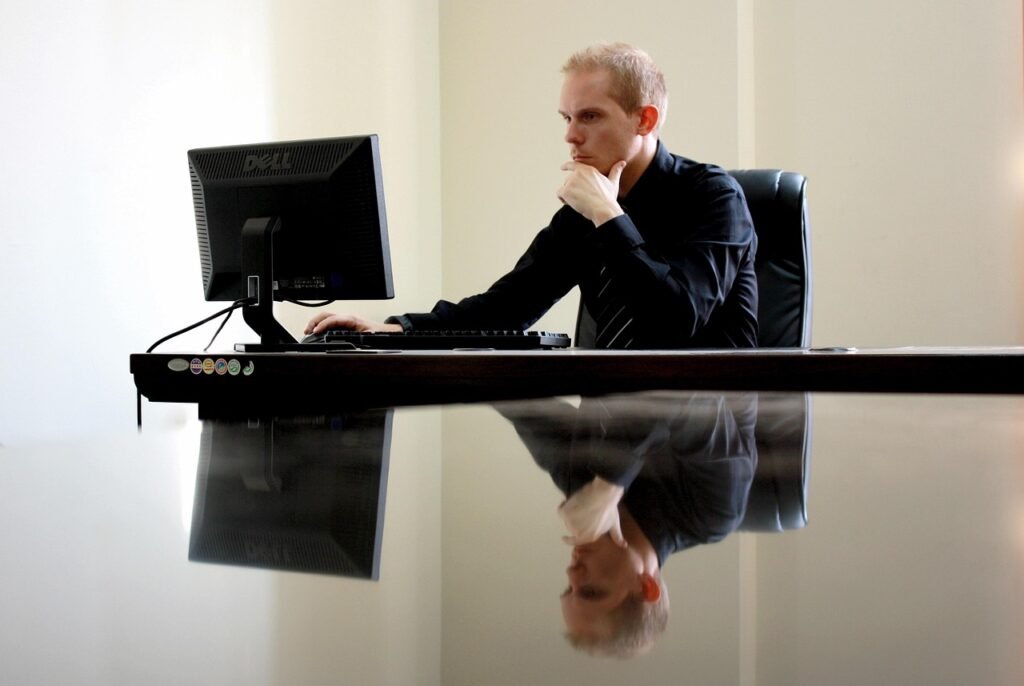
Conservative, formal dress remains the norm in Saudi corporate settings, even as social dress codes have relaxed in tourist and leisure contexts. For men, a suit and tie or a smart shirt with tailored trousers is standard for a first meeting, particularly in government, banking, energy and traditional family-business settings. Lighter business dress, such as a blazer without a tie, is increasingly accepted in tech, media and some multinational offices, but it is safer to dress formally until you have a read on the specific company’s culture.
For women, tailored trousers or a knee-length or longer skirt with a jacket, or a modest dress with sleeves, works well for most meetings. An abaya is not compulsory for foreign businesswomen in the way it once was, but many women, both Saudi and visiting, still choose to wear one over business clothes as a practical and respectful option, especially outside major hotel and conference venues. A headscarf is not generally required for business meetings, though it is worth carrying a light scarf in your bag in case a specific venue, mosque visit or cultural site calls for one.
- Keep shoulders and knees covered for both men and women in business settings.
- Avoid clothing with slogans, large logos or anything that could be read as provocative.
- Pack one formal outfit even for a trip billed as informal, in case a meeting is upgraded or a client invites you somewhere more traditional.
- Bring a light jacket or shawl for heavily air-conditioned offices and conference centres.
- Choose closed shoes rather than sandals for office visits, even in the heat.
Government ministries and larger corporate offices in cities such as Riyadh, Jeddah and Dammam often have security screening and visitor registration at the entrance, and some sites will ask for identification before issuing a visitor badge. Smart, professional dress also tends to make this process smoother, since reception staff are used to identifying scheduled visitors partly by how they present themselves. If your itinerary includes a factory, port or industrial site visit alongside office meetings, pack separate practical clothing and closed, sturdy shoes for that leg of the trip rather than trying to make one outfit work for both settings.

The working week and meeting schedule
The Saudi working week runs Sunday to Thursday, with Friday and Saturday as the weekend. Visiting professionals should plan flights and meeting schedules around this rather than assuming a Monday to Friday pattern, as arriving on a Thursday evening expecting a Friday meeting will not work in most companies. Business hours typically start later in the morning than in Europe or North America and can run into the early evening, with a natural pause around midday prayer times that most offices build into the day without treating it as an interruption.
Ramadan changes the working day significantly, with shorter office hours and meetings generally avoided close to iftar, the evening meal that breaks the fast. If your visit falls during Ramadan, confirm meeting times directly with your host rather than assuming a standard schedule, and be prepared for a slower overall pace to business during that month.
Greetings, introductions and business cards
A handshake is the standard greeting between men in business settings, often accompanied by direct eye contact and a warm verbal greeting. When meeting a Saudi businesswoman, or when a Saudi man is greeting a foreign businesswoman, it is best to wait and see whether she extends her hand first rather than assuming a handshake is expected. A polite nod or verbal greeting is a safe fallback if you are unsure.
Business cards are exchanged early in a meeting, usually with the right hand or both hands rather than the left. Having a card printed with English on one side and Arabic on the other is a small gesture that is well received, though not essential for a single meeting. Titles matter: use full names and professional titles until invited to move to first names, which often happens quickly once a relationship starts to form.
Seniority is taken seriously in introductions and seating. In a group meeting, greet the most senior person present first, and expect the most senior Saudi counterpart to lead the conversation even if a more junior colleague is your usual day-to-day contact.
How meetings actually unfold
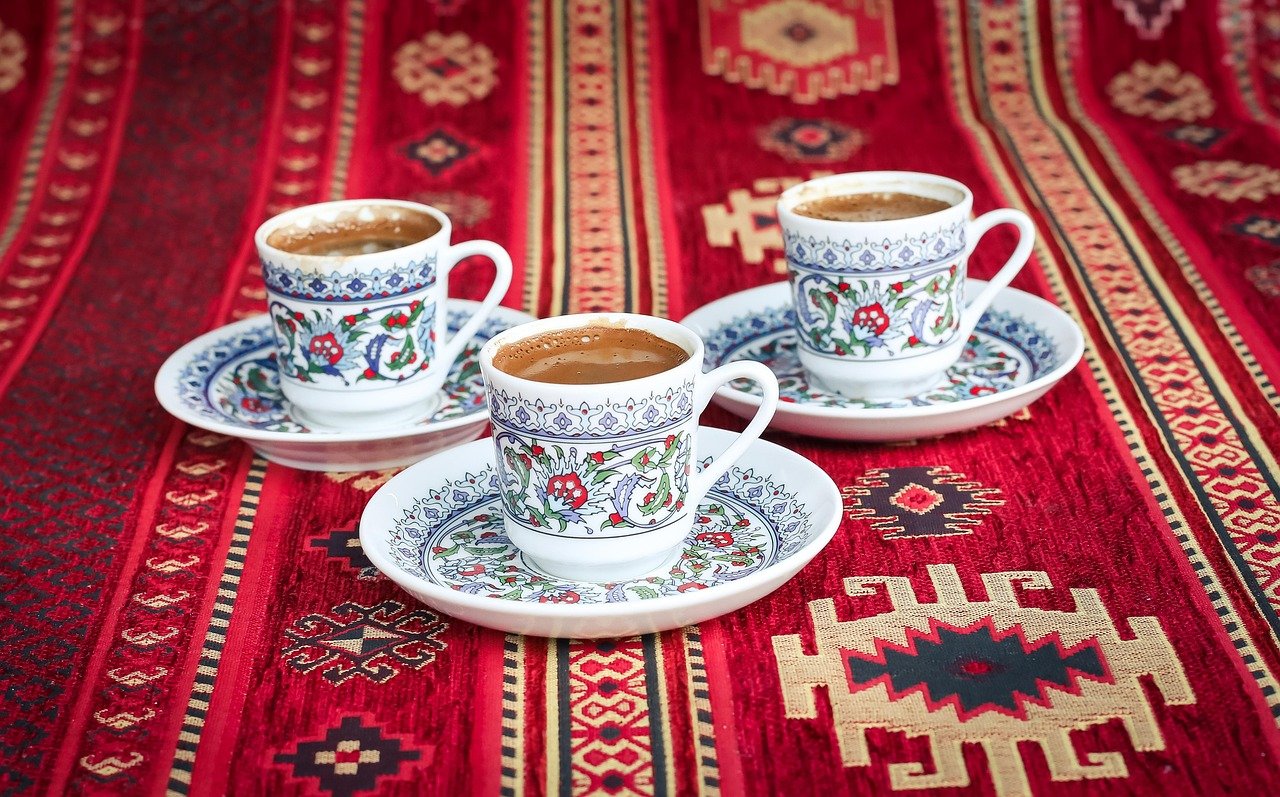
Relationship-building typically comes before the transaction. Expect the early part of a meeting to include general conversation, tea or Arabic coffee, and questions about your journey or your company, rather than moving straight to the agenda. Rushing this stage can come across as impatient. Coffee is often served in small cups and refilled repeatedly; a light shake of the cup when handing it back is the customary way to signal you have had enough.
Meetings can run longer than scheduled and start times can slip, particularly for meetings involving government departments or larger organisations. Build buffer time into your day rather than scheduling back-to-back appointments with no margin, and avoid showing visible frustration if a meeting overruns or a decision-maker is called away partway through. Interruptions, including phone calls and colleagues stepping in and out, are common and not generally considered rude in the way they might be elsewhere.
Decisions are frequently made by the most senior person in the room after the meeting concludes rather than during it, so do not expect a firm commitment on the spot. Following up with a clear written summary after the meeting, sent to your main contact, is a reliable way to keep momentum without appearing pushy.
Conversation topics and general conduct
Family, hospitality and general wellbeing are common opening topics and are worth engaging with genuinely rather than treating as small talk to get through. Avoid raising politically sensitive topics, and steer away from criticism of local customs, religion or government even in a light-hearted way. Alcohol is not part of business entertaining in Saudi Arabia, and meals or dinners with clients are usually held in restaurants or hotels without it.
Punctuality on your part is still expected even where your host’s timing is more flexible. Arrive on time, dress appropriately for the whole day rather than just the first meeting, and confirm the exact venue in advance, since large business districts and government complexes can be harder to navigate than they first appear. Before travelling, it is worth checking the latest general guidance on local laws and customs on the gov.uk foreign travel advice page for Saudi Arabia, which is updated regularly and covers practical points beyond etiquette, such as photography restrictions and local regulations that can affect a business trip.
Practical planning around your meetings
Because the working week, prayer breaks and meeting flow all differ from what many visitors are used to, it helps to plan transport with some flexibility built in. A meeting that overruns by thirty minutes should not turn into a missed flight or a late arrival at your next appointment. General visitor planning information, including guidance for those combining business with some sightseeing, is available on visitsaudi.com, the official Saudi Tourism Authority site, and current airport and civil aviation guidance can be checked on gaca.gov.sa before you fly.
If your itinerary includes multiple cities or a mix of meetings and site visits, having transport pre-arranged for each leg removes one variable from a day that already has enough moving parts. A driver who is expecting a flexible schedule and knows the meeting locations in advance is generally more useful on a business trip than trying to arrange transport on the spot between appointments. This matters more than it might sound: a delegate juggling a tight conference schedule, a client dinner and an early flight the next morning has little margin for uncertainty over how a car will be arranged at short notice.
It is also worth thinking through how you will move between a conference venue, a hotel and a client office on the same day, particularly in larger cities where distances between business districts can be greater than they first appear on a map. Confirming pickup points and approximate journey times in advance, rather than assuming a car will simply be available outside a venue, avoids unnecessary stress on a day already built around fixed appointment times.
Frequently asked questions
Q: Do foreign businesswomen need to wear an abaya in meetings? A: It is not compulsory, but modest, conservative clothing with sleeves and a longer hemline is expected, and many women choose to wear an abaya over business clothes as a practical option.
Q: Is it acceptable to shake hands with someone of the opposite gender in a business meeting? A: It is common between men, but with women it is best to wait and see whether the other person extends their hand first, or offer a polite verbal greeting instead.
Q: What is the Saudi working week for business travellers? A: Sunday to Thursday, with Friday and Saturday as the weekend, so meetings should be scheduled accordingly rather than around a Monday to Friday pattern.
Q: Should I bring gifts to a first business meeting? A: A small gift is appreciated but not required for a first meeting. If you do bring one, keep it modest and avoid alcohol or anything overtly personal.
Q: How should I handle Arabic coffee if I do not want a refill? A: A light shake of the small cup as you hand it back is the customary signal that you have had enough.
Q: Does Ramadan affect how business meetings are conducted? A: Yes, office hours are typically shorter and the pace of business slows, so it is best to confirm meeting times directly with your host if your trip falls during Ramadan.
If you would like a fixed-price quote tailored to your itinerary, Saudi Cab Co can arrange the right vehicle for your trip in advance. Get in touch before you travel and we will match your booking to exactly what you need.