
Reviewed planning guidance. Details can change; use the linked official sources and get a live quote for current pricing and availability.
If you’re heading to Saudi Arabia for a big sporting fixture, a concert, a trade show or a business summit, the transport side of the trip deserves more thought than a normal holiday or work visit. Saudi Arabia has become a regular host for large-scale international events over the last few years, part of a wider tourism and infrastructure push under Vision 2030, and that means more visitors landing in the same city on the same weekend, all trying to get from the airport to a hotel and then on to a venue. Getting your transport sorted early, rather than assuming you’ll sort it on arrival, makes a noticeable difference to how smooth the trip feels.
This guide covers what actually changes around event periods, why the usual “book when you land” approach can let you down, and how to think about transport in terms of the venue rather than just the airport. It’s written for the practical questions people ask before a trip like this: when to book, how to plan for a group, and what to do if your schedule is still moving around.
Why transport demand spikes around major events
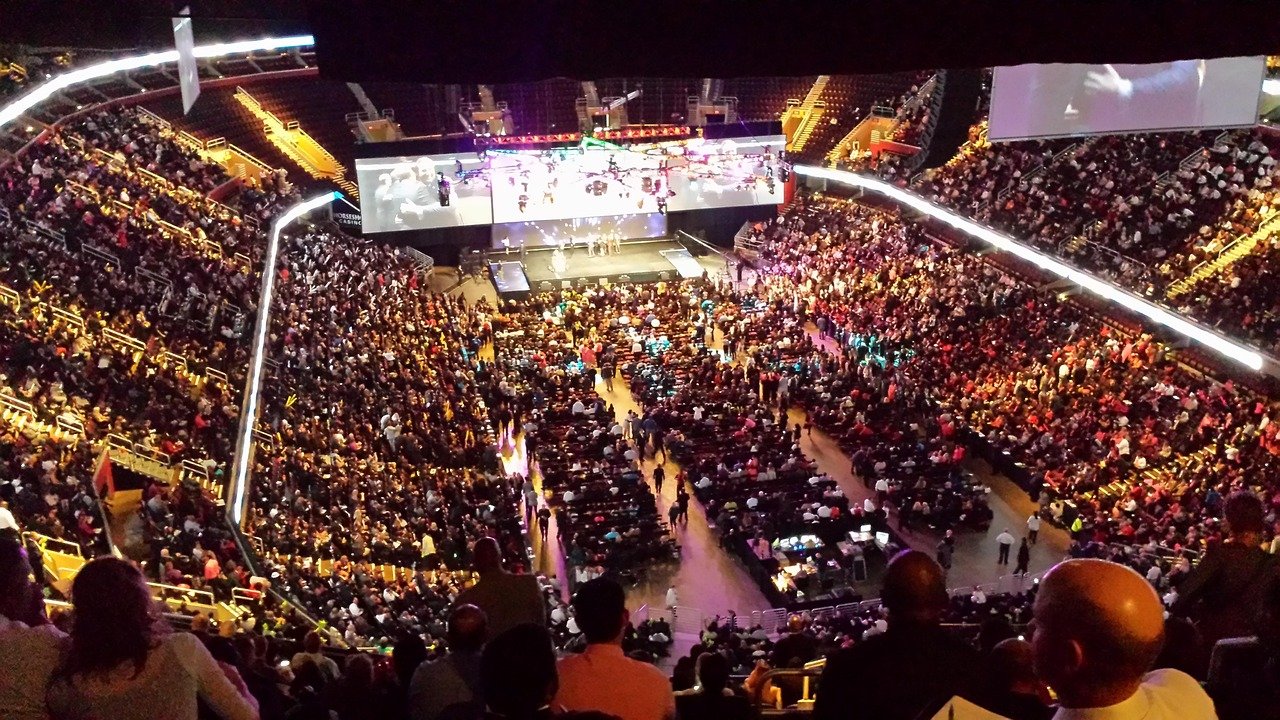
Saudi Arabia’s cities are large, spread out, and increasingly well connected, but transport capacity in any city is still built around everyday demand, not a single weekend where a stadium, arena or exhibition centre pulls in tens of thousands of extra people at once. When a major event lands in Riyadh, Jeddah or another host city, several things happen together:
- Airport arrivals cluster heavily in a narrow window either side of the event, rather than spreading evenly across the week.
- Hotels near the venue fill first, pushing many visitors into accommodation further out, which means longer and more variable journeys on event day.
- Local ride-hailing apps see a surge in requests at the same time as everyone else is trying to book, which drives up wait times and surge pricing.
- Road closures and temporary traffic management around the venue change the usual routes, sometimes with little public notice until close to the date.
- Airport taxi ranks and pre-booked pickup zones get busier than usual, especially on arrival and departure days that overlap with the event schedule.
None of this is unique to Saudi Arabia. It’s the same pattern you’d see around a major event in any city with rapid tourism growth. But because a lot of Saudi Arabia’s event infrastructure and hosting experience is still relatively new, the systems for managing that surge, additional shuttle routes, temporary drop-off points, extended public transport hours, are still maturing city by city. That’s part of why pre-arranged transport tends to be more reliable than assuming you’ll pick something up on the day.
Why booking well in advance matters more than usual
For a normal trip, booking an airport transfer a few days ahead is usually plenty. Around a major event, that window shrinks fast, for a few reasons.
Vehicles get committed early. Event organisers, hotels and corporate groups often block-book transport weeks or months out, particularly for anything above a standard saloon car, minivans, larger vehicles for groups, or premium vehicles for VIP or delegate travel. By the time an individual traveller starts looking a week before the event, the pool of readily available vehicles in the right category has already thinned out.
Prices move with demand. Ride-hailing apps use dynamic pricing, so fares during an event weekend can be considerably higher than normal, and can spike further right around the event’s start and end times when everyone is trying to leave or arrive at once. A fixed-price booking made ahead of time avoids that variability entirely, you know the cost before you travel.
Your flight and hotel details firm up late, but transport shouldn’t wait for that. It’s tempting to hold off booking transport until every other detail of the trip is locked in. In practice, it works better the other way round: book transport based on your best current estimate of arrival time and venue, and update the booking once your flight or hotel is confirmed. Most transport providers, including Saudi Cab Co, allow amendments to pickup times and locations after booking, which removes the need to wait.
Event-specific advice changes close to the date. Details on official transport arrangements, shuttle services, road closures or recommended arrival times are usually published by the event organiser closer to the date, and sometimes only in the final week or two. That’s a good reason to book your baseline transport (airport to hotel, hotel to venue) early and independently, then layer in any event-specific shuttle information as it becomes available, rather than waiting for the organiser’s guidance before booking anything.
As a general rule of thumb: if you know your event dates, book your core transport (arrival transfer, hotel-to-venue journeys, departure transfer) as soon as your flights are booked, not once you land. For anything unusual, a large group, a vehicle with specific features, transport that needs to run very early or very late, book even earlier, since that’s exactly the kind of request that runs out of availability first.
Plan around the venue, not just the airport
A common mistake is to treat “transport planning” as a single task, the airport transfer, and then improvise everything else once you’re in the country. For an event trip, the more useful way to think about it is journey by journey, because each leg has different constraints.
Airport to hotel
This is the leg most people plan for, and it’s usually the most predictable, arrival times are known from your flight, and the route is a standard one the driver will have done many times. The main thing to get right is choosing a hotel with a realistic journey time to both the airport and the venue, not just one or the other. A hotel that’s convenient for the airport but an hour from the venue on event day, when roads are busier than usual, can undo any time you saved on arrival.
Hotel to venue on event day
This is the leg that actually needs the most planning, and it’s the one people most often leave until the last minute. Consider:
- How far the venue is from where you’re staying, and what the journey looks like at the specific time you’ll be travelling, not the journey time Google Maps shows for an ordinary weekday.
- Whether the venue has designated drop-off and pickup zones, which are often some distance from the entrance itself for large venues, meaning a “10-minute journey” can involve a longer walk at the end.
- Road closures or diversions near the venue, which may only be confirmed a few days before the event and can add real time to a normally short trip.
- What time you actually need to arrive, factoring in security screening, bag checks and entry queues, which for major events can take considerably longer than the walk from the car park suggests.
Booking a fixed pickup time from your hotel to the venue, with some buffer built in, is usually more reliable than trying to hail something nearby once traffic and crowds build up.
Venue back to hotel or airport
This is the leg people plan for least, and it’s often the hardest one on the day. When a large event finishes, a huge number of people try to leave the same venue within the same 20 or 30 minutes. Ride-hailing apps in that scenario tend to be at their least reliable: high demand, surge pricing, and drivers who may struggle to reach the exact pickup point because of crowd control. A pre-arranged pickup, ideally at a set time and a known, agreed location, removes most of that uncertainty. If your event finishing time is flexible or unclear in advance, it’s worth discussing options with your transport provider ahead of time, such as a slightly later pickup window or a nearby but less congested meeting point.
Multi-day events
For anything running across several days, a trade show, a multi-day sporting event or conference, it’s usually more efficient to arrange transport as a series of planned journeys rather than booking each one separately as it comes up. This also gives you a consistent point of contact if plans shift, rather than starting from scratch with a new booking each day.
Coordinating transport for a group
Groups travelling together for an event, whether that’s a family, a group of friends, or a company sending several employees to the same conference, have a different set of planning questions than a solo traveller.
Decide whether to travel together or split across vehicles. A single larger vehicle keeps everyone together and simplifies coordination, but it only works if everyone’s flight or schedule actually lines up. If people are arriving on different flights or leaving the venue at different times, it’s often more realistic to book multiple vehicles with staggered pickup times, rather than trying to force one group booking to fit everyone’s schedule.
Agree a single point of contact. For a group booking, it helps enormously to have one person handling the transport arrangements and communicating changes, rather than several people independently trying to adjust pickup times. This matters more around events, where schedules can shift at short notice.
Book the right vehicle size, with some margin. It’s worth checking luggage allowance as well as passenger seats, event trips often involve more luggage than a typical visit (merchandise, equipment, extra clothing for changeable weather), and a vehicle that’s technically rated for your group size can still feel cramped once bags are factored in.
Build in a buffer for the whole group, not just yourself. A group only moves as fast as its slowest member. If you’re coordinating transport for six or eight people, plan pickup and arrival times around the assumption that gathering everyone together, checking out of a hotel, or getting through venue security as a group will take longer than doing it solo.
Confirm the return journey before you need it. It’s easy to arrange the outbound leg carefully and leave the return as an afterthought. For groups especially, agree in advance where and when everyone will meet after the event, since venues can be disorientating when exiting with a large crowd, and mobile signal can be patchy in packed areas.
For corporate groups or delegations, it’s also worth asking whether your transport provider offers a single point of billing and coordination for multiple journeys, which is usually simpler to manage than individual bookings for each traveller.

A general checklist for event transport planning
- Book your core transport (arrival, hotel-to-venue, departure) as soon as your flights and event dates are confirmed, not once you land.
- Choose accommodation with a realistic journey time to the venue on event day, not just to the airport.
- Check the event’s official website and visitsaudi.com for any published transport advice or venue access details closer to the date.
- Build in extra time for the hotel-to-venue leg on event day to account for road closures, security screening and crowds.
- Arrange a pre-booked pickup for the journey away from the venue after the event, rather than relying on hailing a ride in a crowd.
- For groups, agree a single coordinator and confirm vehicle size against both passengers and luggage.
- Keep your transport provider’s contact details to hand in case flight times or event timings shift.
Frequently asked questions
How far in advance should I book transport for a major event in Saudi Arabia?
As soon as your flights are booked, ideally several weeks ahead for a large event, and earlier still if you need a larger vehicle, a group booking, or transport at unusual hours. Availability for the vehicle types in most demand tends to narrow as the event date approaches.
What if my flight times or event schedule change after I’ve booked?
Most transport providers, Saudi Cab Co included, allow you to amend pickup times and locations after booking. It’s worth booking based on your best current information rather than waiting for every detail to be finalised, and then updating the booking once things are confirmed.
Is it better to book transport for each leg of the trip separately, or all at once?
For a short trip with a single event, booking each leg (arrival, venue journeys, departure) individually is usually fine, provided each is booked early. For multi-day events, arranging the full set of journeys with one provider tends to be simpler to manage and gives you a consistent point of contact if plans shift.
Where can I find official information about transport arrangements for a specific event?
Check the event’s own official website first, since organisers typically publish venue access and transport guidance closer to the date. visitsaudi.com is a useful general source for travel planning in Saudi Arabia, and GACA (the General Authority of Civil Aviation) publishes airport-related information. Saudi Cab Co’s own booking team can also advise on realistic journey times and pickup arrangements around a specific venue.
Can I book one vehicle for a large group, or do I need several?
It depends on group size and luggage. Larger vehicles are available for bigger groups, but it’s worth checking both passenger capacity and luggage space rather than passenger numbers alone, since event trips often involve more luggage than usual. If your group’s flights or schedules don’t line up, splitting across two staggered bookings is often more practical than one large booking timed to the least flexible member.
Do I need to arrange transport differently for the journey away from the venue after the event finishes?
It’s worth treating this leg with at least as much care as the outbound journey, since it’s usually the busiest and least predictable part of an event trip. A pre-arranged pickup at a set time and location is generally more reliable than trying to hail a ride once a large crowd is leaving the same venue at once.
Travelling for a Ramadan or Hajj-season event, transport demand rises across the country; see our partner Hajj & Umrah Taxi's guide to Ramadan Umrah transport: hajjumrahtaxi.co.uk.
Checked sources
Official information for your planning
Transport, airport, visa and visitor arrangements can change. These official sources are provided so you can check the current position for your journey. Checked 2026-07-25.
If you’ve got an event on the calendar, the simplest way to avoid the last-minute scramble is to lock in your transport early. Get in touch through the Saudi Cab Co booking form with your travel dates and venue details, and we’ll help you plan the airport transfers, venue journeys and group logistics around your specific schedule.