
Saudi Arabia’s public holiday calendar combines fixed civil dates, such as Founding Day and National Day, with dates tied to the Islamic lunar calendar, including Ramadan and both Eid holidays, which shift earlier each Gregorian year. Understanding this pattern, rather than memorising exact dates that change annually, is the most useful way to plan travel and transport around the busiest periods of 2026 and 2027.
Fixed-Date Civil Holidays
Founding Day, marking the founding of the Saudi state, falls on 22 February each year, and National Day falls on 23 September each year. Both are established, well-known dates on the Gregorian calendar and tend to bring a short but noticeable rise in domestic travel and event activity around them.
Lunar Calendar Holidays: Ramadan, Eid al-Fitr and Eid al-Adha
Ramadan, and the Eid al-Fitr and Eid al-Adha holidays that follow it, are set by the Islamic lunar calendar, which is roughly eleven days shorter than the Gregorian calendar. This means their Gregorian dates move earlier by around eleven days each year, and travellers should always check the current officially confirmed dates for the specific year they are travelling in, rather than relying on the previous year’s dates.
What this means for travel demand
Ramadan itself changes daily travel patterns, with quieter daytime hours and busier evenings after iftar. The Eid holidays that follow are among the busiest domestic travel periods of the year, as families travel to reunite across the country, similar in scale to Founding Day and National Day but typically longer in duration.

How This Affects Ground Transport Booking
Book earlier around any holiday period
Whichever holiday is approaching, whether fixed or lunar, transport demand rises in the days immediately before and after it. Booking earlier than you would for an ordinary week is the simplest way to secure your preferred vehicle and timing.
Expect adjusted schedules during Ramadan
Working hours and daily rhythms shift during Ramadan, which can affect typical traffic patterns and the times businesses and services operate. Building some flexibility into meeting and transfer times during this period is sensible.
Combining Holiday Periods with Other Seasonal Demand
Some years see holiday periods overlap or sit close to other high-demand periods, such as Riyadh Season’s calendar or major sporting and entertainment events. Checking the wider calendar for your specific travel dates, not just the headline holiday, gives a fuller picture of how busy transport demand is likely to be.
Where to Check Current Confirmed Dates
For the officially confirmed dates of Ramadan, Eid al-Fitr and Eid al-Adha for the specific year you are travelling, check current guidance close to your travel dates, since these are announced based on lunar sighting and can shift by a day or two from calculated estimates.
Building a Simple Personal Holiday Checklist
Rather than trying to memorise every date a year in advance, a simple approach works well: note the two fixed civil holidays, 22 February and 23 September, on your calendar as soon as the year begins, and check official current-year guidance for Ramadan and Eid dates once they are published, typically some months ahead based on lunar sighting conventions. Reviewing this alongside your own travel plans a few weeks before each date gives enough lead time to book transport before demand peaks.
For business travellers with recurring trips to Saudi Arabia, it is worth building this holiday calendar into standing travel planning each year, since meeting availability and business hours can shift meaningfully around these periods.
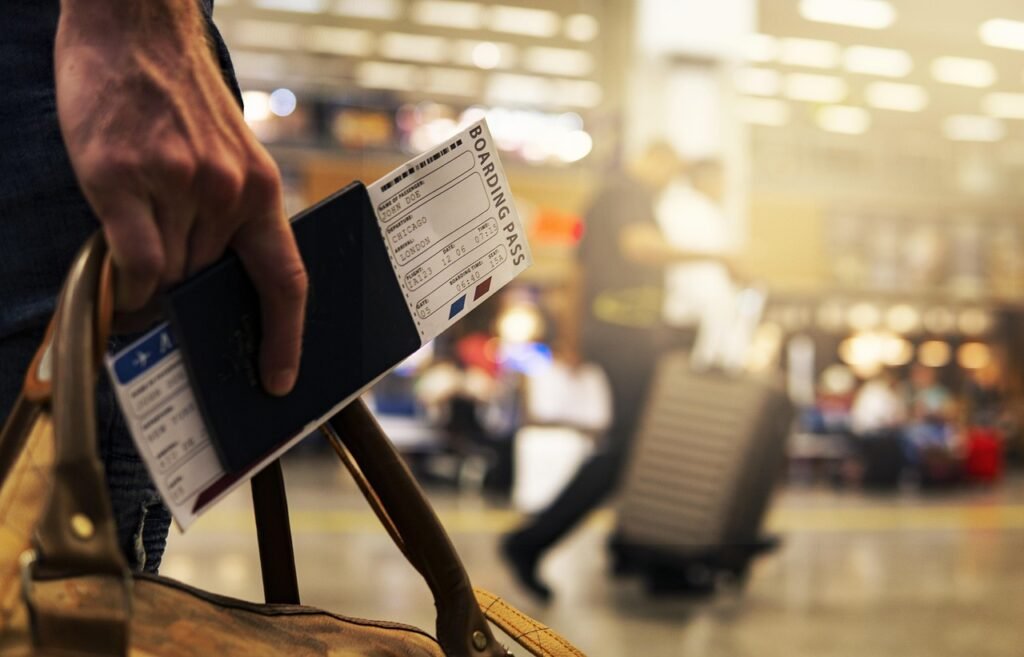
Planning Business Trips Around the Calendar
For business travellers, checking the holiday calendar against planned trip dates is worth doing at the same time as booking flights, not as an afterthought. A meeting scheduled for the day after a major holiday, for example, may need adjusting if travel demand and reduced business hours around the holiday period affect your counterpart’s own availability.
This is equally true for outbound trips from Saudi Arabia, where staff or clients travelling around a holiday period should expect increased demand for both flights and ground transport in the days immediately surrounding it.
Frequently asked questions
Q: Do businesses close completely during Ramadan? A: Working hours are typically shortened during Ramadan rather than businesses closing entirely, though this varies by sector and individual company.
Q: How long do the Eid holidays typically last? A: Both Eid al-Fitr and Eid al-Adha typically involve multiple days of public holiday, with exact length set by official annual announcement.
Q: Is Founding Day the same as National Day? A: No, they are separate holidays. Founding Day, on 22 February, marks the founding of the Saudi state, while National Day, on 23 September, marks the unification of the modern kingdom.
Q: Where can I check the officially confirmed Eid dates for a specific year? A: Official government and religious authority announcements, typically made shortly before each holiday based on lunar sighting, are the most reliable source for exact dates.
Q: Should I avoid scheduling business meetings right around a public holiday? A: It is worth checking with your local contacts, since business availability and traffic patterns both shift around these periods.
Q: Does transport pricing change during public holidays? A: Fixed-price providers maintain consistent pricing structures; demand-based platforms may see higher variable pricing during peak holiday periods.
Understanding Regional Variation in Holiday Observance
While the core public holidays are observed nationally, some local and regional variations in how a holiday period plays out, including specific event programming tied to National Day or Founding Day, can differ between cities. Checking local event calendars for your specific destination city around a national holiday gives a fuller picture beyond the holiday date itself.
This is particularly relevant for travellers planning a trip specifically to experience a national celebration, since the scale and nature of public events can vary noticeably between Riyadh, Jeddah and other major cities.
Whichever city you are visiting, checking both the national holiday calendar and that city’s own event programming together gives the most accurate picture of what to expect.
Building the Calendar into Annual Travel Planning
For any business or individual travelling to Saudi Arabia more than once a year, keeping a simple personal note of the two fixed civil holidays and checking current lunar holiday dates annually turns this guide’s advice into a repeatable habit rather than a one-time read.
This small effort each year consistently avoids the most common travel planning surprise: discovering a major holiday sits right in the middle of a planned trip only after arrangements are already under way.
Comparing This Year’s Calendar with Previous Years
Because lunar holidays shift earlier each Gregorian year, a rough way to sense-check current guidance is to compare it against the previous year’s dates and confirm the expected roughly eleven-day shift looks correct, as a simple way to spot outdated information before relying on it.
Ultimately, the practical value of understanding this calendar is simple: knowing broadly when Saudi Arabia’s busiest travel periods fall lets you either plan around them with extra lead time, or deliberately choose a quieter week if flexibility and lower demand matter more to your trip than being present for a specific celebration.
Checked sources
Official information for your planning
Transport, airport, visa and visitor arrangements can change. These official sources are provided so you can check the current position for your journey. Checked 2026-07-25.
Whichever holiday period falls within your travel dates, book your transport as early as you can, since demand around every major Saudi holiday rises sharply in the days immediately surrounding it.