
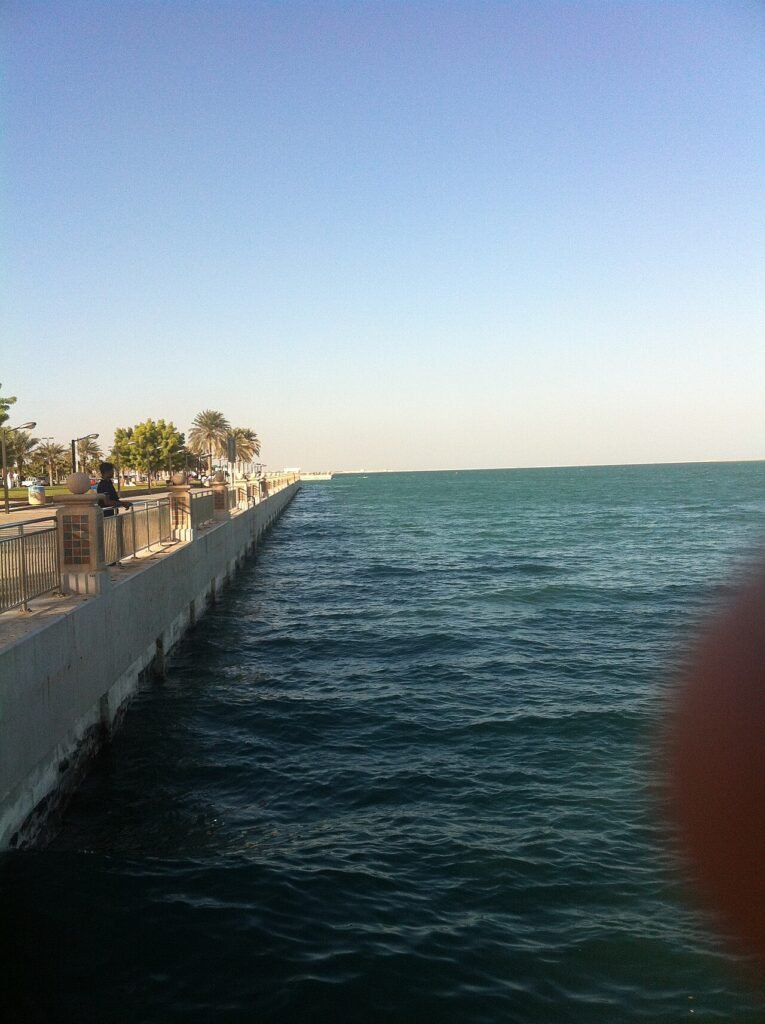
Jubail, on Saudi Arabia’s Eastern Province coastline along the Arabian Gulf, is best known as one of the largest planned industrial cities in the world, home to major petrochemical and steel complexes alongside King Fahd Industrial Port. It is not typically thought of as a leisure destination, but the city has a growing corniche and beach scene, and its industrial identity is exactly why so many business travellers need a clear, practical guide to getting around it. This guide covers both sides of Jubail.
Most guides to Jubail are written either for business travellers heading to the industrial zone or for residents describing the coastal amenities, rarely both together. This guide is written for anyone approaching Jubail fresh, whether that is a first business trip to the Eastern Province or simply an interest in a part of Saudi Arabia that rarely appears on a typical tourist itinerary, and needs a clear picture of how the city actually fits together before arriving.
Understanding Jubail’s layout
Jubail is effectively split between its industrial zones, which host some of Saudi Arabia’s largest manufacturing and petrochemical facilities, and its residential and coastal areas, where the corniche, beaches and everyday city life are centred. The two are physically distinct, and business visitors heading to a specific plant or facility within the industrial city should confirm its exact location relative to the residential area, since distances and access routes between them can be significant.
What to see and do in Jubail
The Gulf coastline and corniche
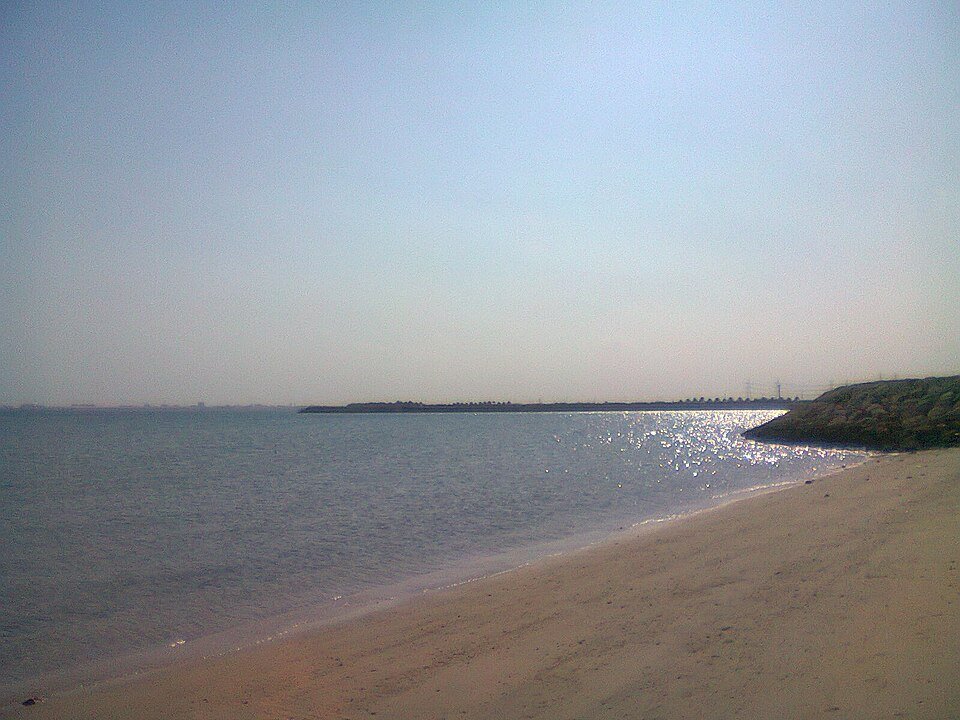
Jubail’s Gulf coast offers a corniche and beach areas, including its New Beach development, giving residents and visitors a place to unwind away from the industrial zones. These areas have developed considerably in recent years, adding cafes, walking paths and family friendly spaces along the waterfront.
Jubail’s industrial city
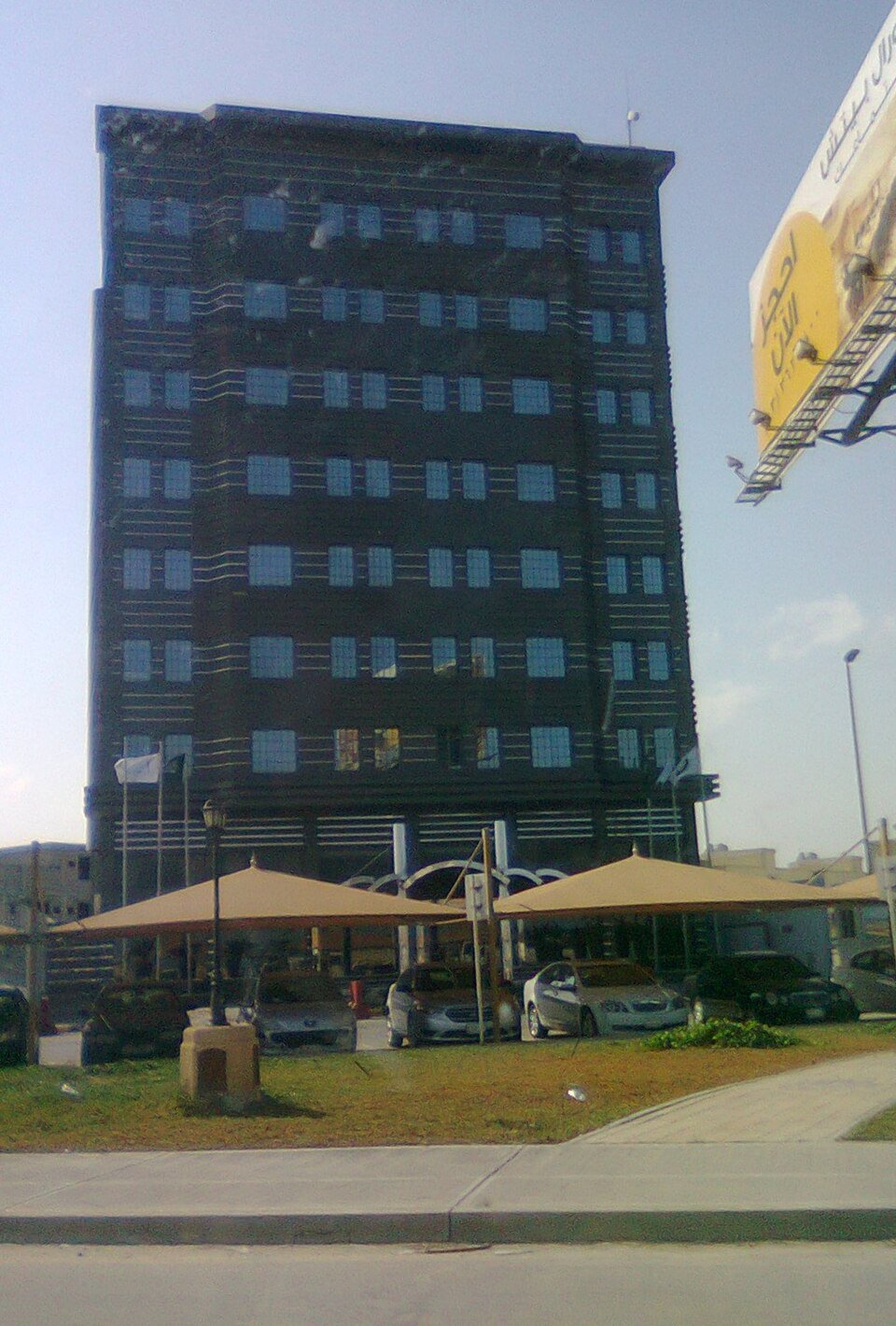
For business travellers, Jubail Industrial City itself is the primary reason for a visit, home to some of the region’s largest petrochemical, steel and manufacturing operations. Navigating this zone efficiently, between meetings, site visits and accommodation, is a genuinely different task from a leisure day at the beach.
Local heritage
The wider Jubail area also has archaeological interest, including the remains of an ancient Nestorian church dating to around the fourth century, a reminder that the coastline has a much longer history than its modern industrial identity suggests.
Choosing where to stay in Jubail
As with several Eastern Province cities built around a major industrial zone, accommodation options in Jubail tend to cluster either near the residential and coastal district or closer to the industrial city’s perimeter, depending on the hotel’s primary customer base. Business travellers with meetings across multiple facilities may find it more efficient to base themselves centrally and accept a longer transfer to individual sites, rather than choosing a hotel near one specific facility and adding cross city journeys for every other meeting. A local, pre booked driver can help advise on the most efficient base for a specific multi site itinerary.
Getting to Jubail
Jubail does not have its own major international airport, so most visitors arrive via Dammam’s King Fahd International Airport or, for some business travel patterns, via Dammam or Khobar directly, before continuing to Jubail by road. This makes the onward road transfer an essential part of planning a Jubail trip, rather than an afterthought.
Getting around Jubail
Given the distances between the airport, the residential and coastal areas, and the industrial zones, a private vehicle is the practical way to get around Jubail for almost any type of visit. Business travellers in particular benefit from a pre booked driver who understands the layout of the industrial city and can plan routes around shift patterns and site access times, which can affect road conditions at certain times of day.
Practical visitor tips
- Confirm your facility’s exact location. Jubail Industrial City covers a large area, so confirm which part of the zone your meeting or site visit is in before arranging transport.
- Plan your airport transfer in advance. Since Jubail is most commonly reached via Dammam, factor the onward road journey into your overall travel time.
- Balance business with the coastline. If your schedule allows, Jubail’s corniche and beach areas are a worthwhile way to spend downtime between meetings.
- Check site specific access requirements. Many industrial facilities in Jubail have their own security and access procedures, so confirm these with your host before arrival.
- Ask about return journeys to Dammam or Khobar. If your trip involves onward travel to the Eastern Province’s other cities, arranging this alongside your Jubail transport in one booking is usually more efficient than sorting each leg separately.
Jubail’s place in Saudi Arabia’s industrial story
Jubail Industrial City was established as a planned development from the ground up, part of a national strategy to build large scale downstream industry away from the country’s existing population centres. Decades on, it stands as one of the largest planned industrial cities anywhere in the world, home to a dense concentration of petrochemical, steel, fertiliser and plastics manufacturers that supply both domestic and export markets. For business travellers, this scale means Jubail is rarely a single stop destination, visits often involve multiple facilities spread across the zone, sometimes with different operators, security protocols and access points, which is exactly why reliable, pre planned transport between sites matters so much here.
The residential and coastal side of the city has developed alongside this industrial growth, built to support the large workforce the industrial zone employs, and this has gradually produced a more rounded city than its industrial reputation alone suggests, with schools, retail and the corniche development all part of everyday life for Jubail’s residents, not just an afterthought for visiting workers.
Frequently asked questions
Does Jubail have its own airport?
Jubail does not have a major international airport of its own. Most visitors arrive via Dammam’s King Fahd International Airport and continue to Jubail by road.
Is there anything to do in Jubail beyond the industrial sites?
Yes. Jubail’s Gulf coastline, corniche and beach areas, along with nearby archaeological sites, offer a leisure side to the city beyond its industrial reputation.
How do I get between Jubail’s industrial zones and the coastal areas?
These are physically separate parts of the city, and a private vehicle is the most practical way to move between them, particularly for business travellers with a tight schedule.
Booking your Jubail transport
Saudi Cab Co offers fixed price, professionally driven transfers between Dammam and Jubail, along with transport across the city’s industrial and coastal areas. For business travellers navigating site visits or leisure visitors exploring the corniche, a pre booked driver who knows Jubail’s layout makes for a considerably smoother trip than arranging transport on arrival.
Related guides
- Dammam to Jubail: An Intercity Transport Guide
- Business Transport to Jubail and Yanbu Industrial Zones
- Dammam and the Eastern Province: A Transport Guide
Checked sources
- Visit Saudi, visitsaudi.com
- Saudi Tourism Authority, sta.gov.sa
- GACA, gaca.gov.sa