Crossing into Saudi Arabia by land
GCC nationals travelling to Saudi Arabia have an option that international visitors do not: crossing by land, often using a GCC national ID card rather than a passport, depending on the crossing and current entry rules. This guide looks specifically at the transport side of that journey, from the border crossing itself through to onward travel once inside Saudi Arabia. It does not replace official entry requirement guidance, which travellers should always confirm before departure.
The main land crossing points
King Fahd Causeway, from Bahrain
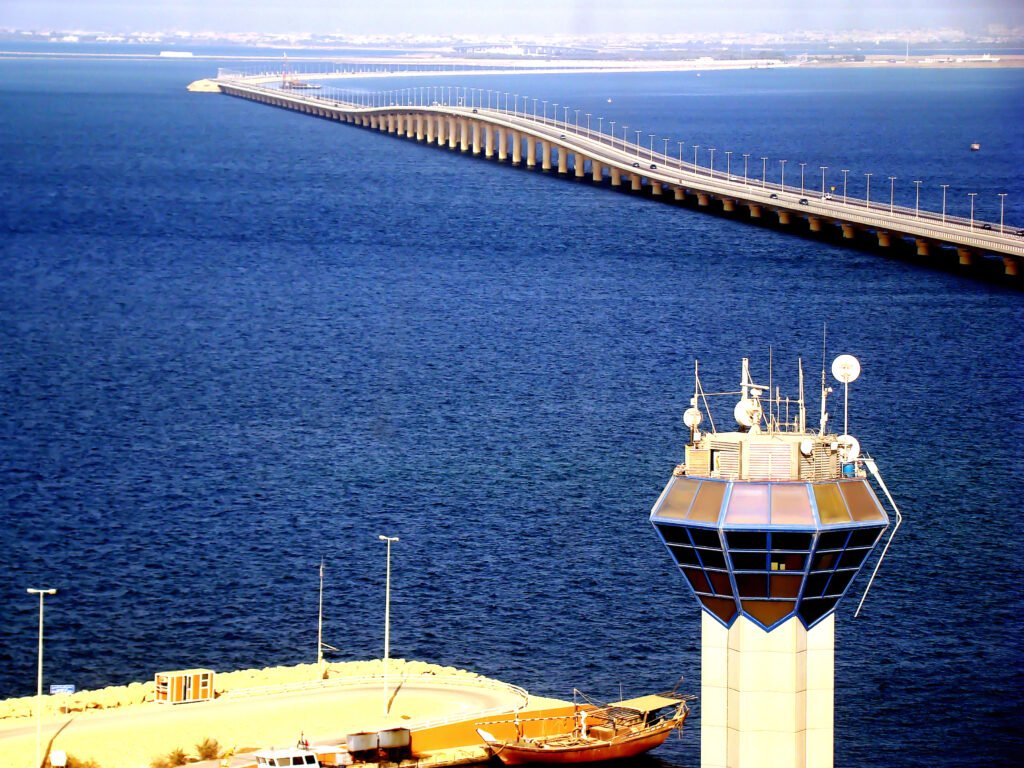
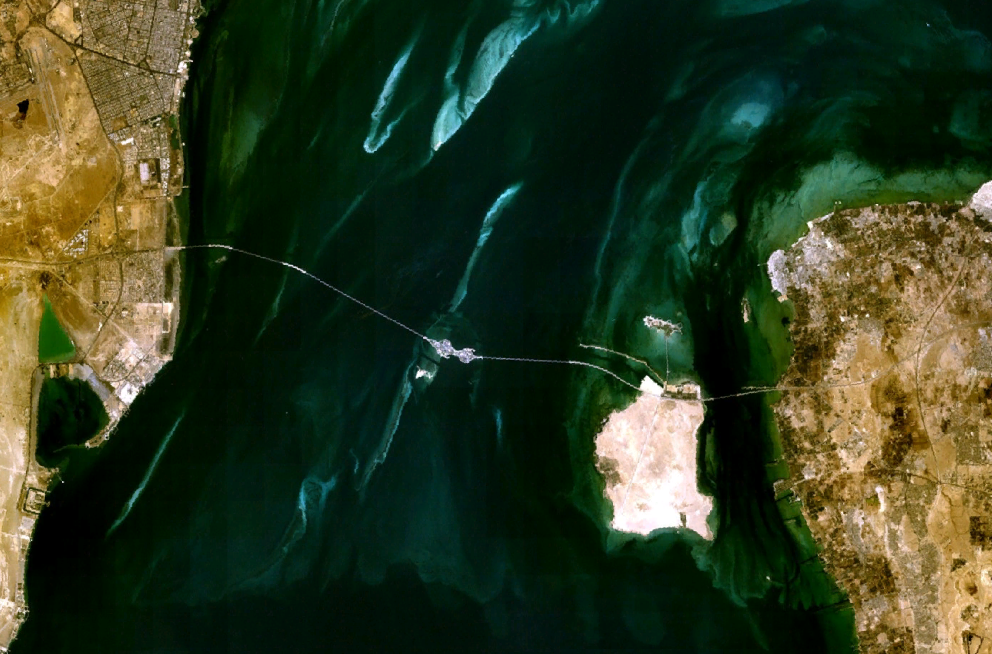
The King Fahd Causeway is the best known GCC land crossing, connecting Bahrain to the Eastern Province of Saudi Arabia near Khobar and Dammam. It is a well established route for both day visitors and longer stays, and is typically used by private vehicle, taxi, or a scheduled bus service that operates across the causeway.
Land borders with the UAE, Kuwait, Oman, and Qatar
Saudi Arabia also shares land borders with the UAE, Kuwait, and Oman, each with formal crossing points used regularly by GCC nationals travelling by private vehicle. The land border with Qatar has a more complex recent history and travellers should always verify current status before planning a crossing there, rather than assuming it operates as it did in the past.
What changes once you are across the border
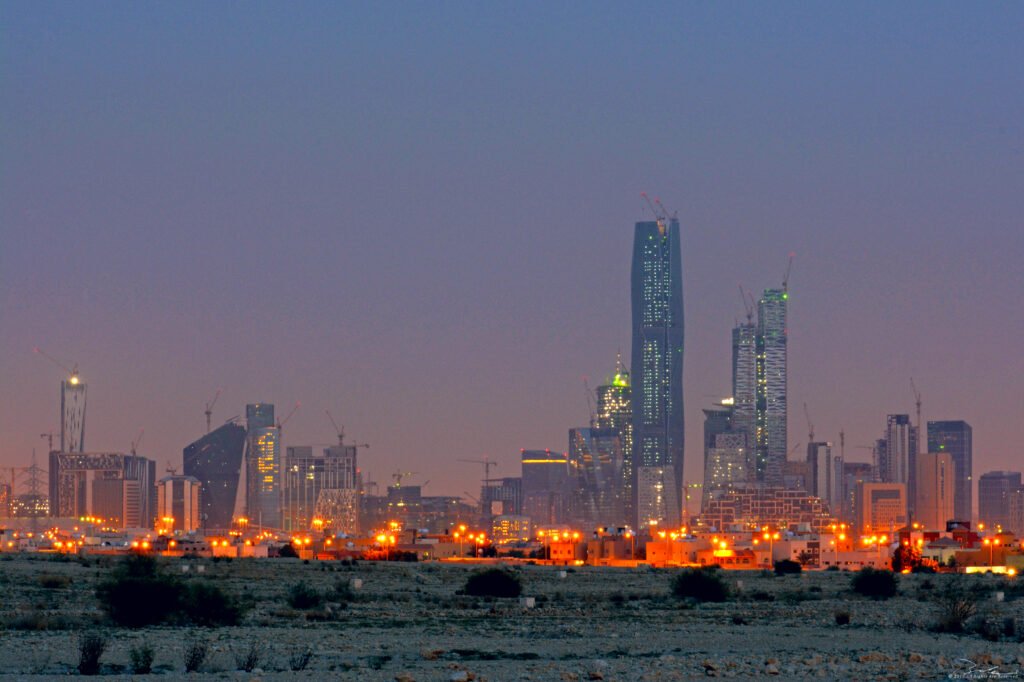
A land border crossing is only the first leg of the journey. GCC nationals arriving by causeway or land border into the Eastern Province, for example, still need onward transport to reach Riyadh, Jeddah, or wherever their final destination is, and that distance can be substantial. Dammam and Khobar sit a considerable distance from Riyadh, and an even greater distance from Jeddah on the west coast, so it is worth planning the whole route rather than just the crossing itself.
Onward transport options after crossing
- Pre-booked private transport waiting on the Saudi side of the crossing, avoiding the need to arrange transport after a long drive
- Self-drive, if arriving by private vehicle and continuing the same journey
- A domestic flight from Dammam onward, for GCC nationals crossing the causeway but travelling on to a distant city such as Jeddah
Practical considerations specific to GCC travellers
Peak crossing times
The King Fahd Causeway in particular sees significant weekend and holiday traffic, with queues that can extend processing time well beyond a typical weekday crossing. Travellers planning a land crossing around a public holiday or a long weekend should build in extra time and, where possible, avoid the busiest crossing windows.
Vehicle documentation
Travellers crossing by private vehicle should confirm current requirements for vehicle insurance and registration recognised across the border, since these can differ from requirements for a vehicle used only domestically.
Family and group travel
GCC nationals frequently cross for family visits or extended stays with multiple relatives travelling together. For this kind of trip, arranging pre-booked transport for the onward leg, sized correctly for the group and luggage, removes one of the more stressful parts of an already long travel day.
Booking onward transport in advance
For anyone crossing a Saudi land border and continuing to a city some distance away, arranging the onward leg before departure is worth the extra planning. A driver waiting at an agreed point after the crossing, briefed on the pickup location and timing, turns what can otherwise be an uncertain final stretch into a straightforward, predictable end to the journey.
First-time crossers versus regular travellers
A GCC national crossing into Saudi Arabia for the first time faces a slightly different set of practical questions to someone who makes the trip regularly. Regular crossers usually already know the typical queue patterns, the fastest lanes, and how long the onward journey genuinely takes. First-time crossers benefit from asking a transport provider or a previously travelled family member for realistic timing expectations before departure, rather than estimating based on the straight-line distance alone, since actual crossing and processing time can vary considerably depending on the day and time chosen.
Peak holiday crossing patterns
Land border crossings, and the King Fahd Causeway in particular, see especially heavy use around Gulf public holidays and long weekends, when family visits across the border spike sharply. Travellers planning a crossing around one of these periods should expect processing times well beyond a normal weekday crossing, and should treat the crossing itself as a significant portion of the day’s schedule rather than a brief formality on the way to the real destination. Building in a wide time buffer, and confirming onward transport pickup times with some flexibility rather than a fixed minute, helps absorb this kind of unpredictable delay without disrupting the rest of the trip.
Return crossings and re-entry
GCC nationals travelling for a short visit often underestimate the return leg, particularly if it falls at the end of a weekend or holiday period when the causeway or land border crossing is at its busiest. Building extra time into the return journey, and confirming return transport to the border crossing point in advance rather than arranging it at the last minute, avoids the return trip becoming the most stressful part of an otherwise straightforward visit.
Costs to budget for
Beyond the transport itself, GCC travellers crossing by land should budget for any applicable crossing fees, which can apply per vehicle at some crossings, and for fuel if driving privately across a longer stretch of Saudi territory after entry. Travellers relying on pre-booked transport for the onward leg should get a clear all-in quote before departure, covering the full distance to their final destination, rather than assuming a single flat rate applies regardless of how far they are travelling from the border.
Combining a border crossing with a longer Saudi stay
Some GCC nationals use a land crossing as the start of a longer trip across Saudi Arabia, rather than a short visit to the border city alone. In this case, it is worth planning the whole route in one go, including any onward flights, intercity road transport, and the return crossing, rather than treating each leg as a separate booking made as you go. A single trip plan covering the crossing, onward travel, and the return journey gives a clearer overall picture of timing and cost, and avoids the situation where a later leg of the trip is booked in a rush because it was not considered until the traveller was already on the road.
Documents worth keeping accessible throughout
Whether travelling by land border or connecting onward by air within Saudi Arabia, it is sensible to keep GCC identification, any vehicle documents if driving privately, and onward booking confirmations easily accessible rather than packed away, since these may be requested more than once across a longer multi-leg journey.
A note on business travel across GCC borders
Alongside family visits, GCC nationals regularly cross into Saudi Arabia for business, particularly between the Eastern Province and the wider Gulf business hubs. For this kind of trip, the same planning principles apply, but with less tolerance for delay: a pre-booked driver waiting at an agreed point after the crossing, briefed on a specific meeting time, is generally worth arranging even for a single day trip, since a delay at the border on a tight business schedule has a much higher cost than the same delay on a leisure visit with no fixed appointment to reach.
Related guides
- GCC Resident Intercity Travel: Crossing Saudi Arabia for Family and Business
- Saudi eVisa Basics for Business and Leisure Visitors
- Dammam and the Eastern Province: A Transport Guide