Private transport across Saudi Arabia
support@saudicabco.comTravel and partnership desk

Diriyah Contemporary Art Biennale visitor guide

The Diriyah Contemporary Art Biennale has established JAX District, in the historic Diriyah area on Riyadh’s edge, as one of Saudi Arabia’s leading venues for contemporary art. The most recent edition ran from 30 January to 2 May 2026, drawing visitors to a converted industrial campus set close to At-Turaif, Diriyah’s UNESCO World Heritage Site. This guide explains what the Biennale involves, when to expect its next edition, and how to plan a visit to Diriyah more broadly.

Riyadh’s cultural calendar has expanded considerably in recent years, and the Diriyah Contemporary Art Biennale sits alongside events such as Riyadh Season as part of a deliberate strategy to build the city’s international profile beyond its role as Saudi Arabia’s political and business capital. For visitors, that means Diriyah increasingly rewards a dedicated cultural itinerary of its own, distinct from a standard business trip to Riyadh, and worth planning transport for accordingly.

About the Diriyah Contemporary Art Biennale

Staged at JAX District, a converted industrial campus of around 12,900 square metres across halls, courtyards and outdoor terraces, the Biennale brings together contemporary art from Saudi and international artists. The 2026 edition ran under the title “In Interludes and Transitions” from 30 January to 2 May. As a biennial event, held every two years by design, the next full edition would be expected around 2028, though exact dates and programming are confirmed by the Diriyah Biennale Foundation closer to the event rather than fixed years in advance.

JAX District itself, and Diriyah more broadly, host cultural programming beyond the Biennale’s specific dates, so the venue and area remain worth visiting even outside the main exhibition window.

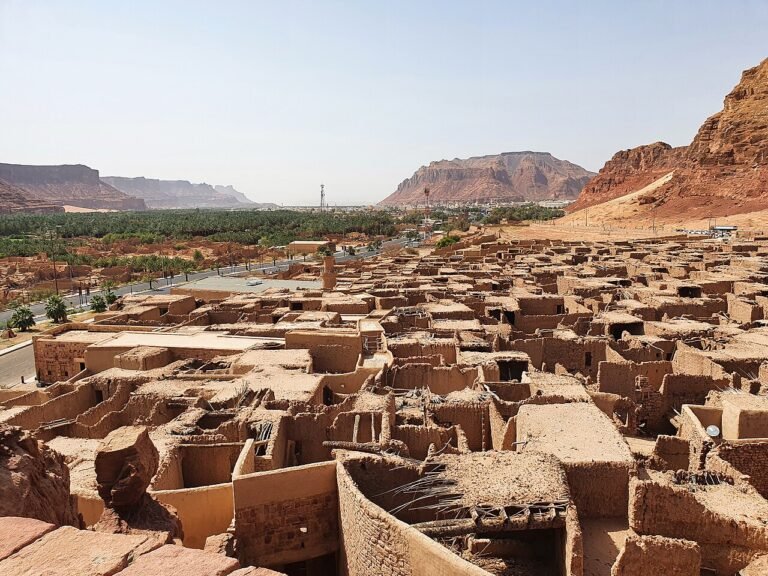
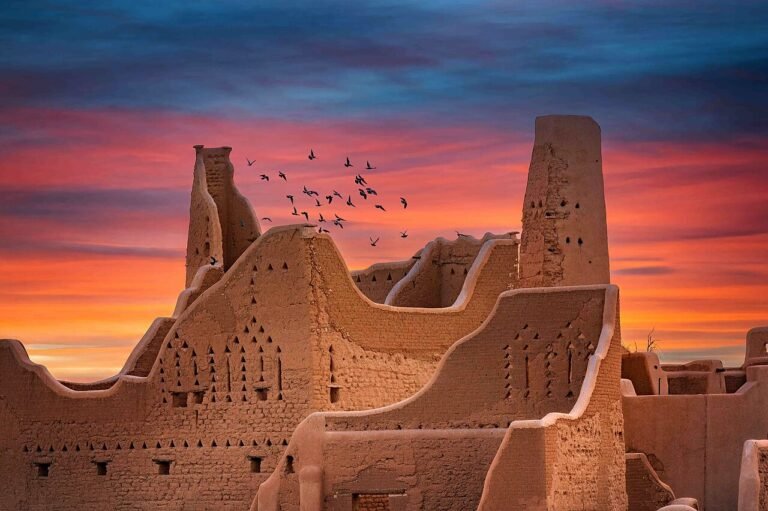
Traditional Najdi mud-brick architecture at At-Turaif, Diriyah

Diriyah beyond the Biennale

Diriyah is the ancestral home of the Saudi royal family and the historic capital of the first Saudi state, and its restored At-Turaif district is a UNESCO World Heritage Site in its own right, quite separate from the contemporary art programming at JAX District nearby. Visitors combining a Biennale visit with Diriyah’s heritage sites get a striking contrast, mudbrick Najdi architecture and centuries of history alongside cutting edge contemporary installations, within the same short trip from central Riyadh.

What to expect from a Biennale visit

Contemporary art biennales of this scale typically bring together dozens of artists across multiple curated sections, and Diriyah’s edition has been no exception, spanning both established international names and a strong representation of Saudi and regional artists. Visitors unfamiliar with contemporary art formats should not be put off, the exhibition format is generally designed to be accessible, with wayfinding and context provided throughout the JAX District campus, rather than assuming prior familiarity with the artists or movements on display. Guided tours, where available, are worth considering for visitors who want more context than the on site information alone provides.

Getting to Diriyah from Riyadh

Diriyah sits on the northwestern edge of Riyadh, a short journey from the city centre compared with Saudi Arabia’s other major cultural destinations. Riyadh’s metro network has been extending towards the Diriyah area, and travellers should check current service status before relying on it, since extensions of this kind can be subject to phased openings. A private transfer remains the most straightforward option for visitors who want a direct, predictable journey without needing to check current public transport status, particularly for evening events or when travelling in a group.

Getting around JAX District and Diriyah

JAX District and At-Turaif are both walkable once you arrive, but they sit within a wider Diriyah area that is more comfortably covered by vehicle if you are visiting both in a single day, along with any additional dining or retail areas nearby. A driver who can wait or return at a set time removes the need to arrange separate transport between each part of your visit.

Traditional Najdi Ardha sword dance performed at At-Turaif, Diriyah

Planning tips for a Diriyah cultural visit

  • Check current exhibition status before travelling. As a biennial event, the Contemporary Art Biennale is not running continuously, so confirm current programming at JAX District before planning a trip specifically around it.
  • Combine with At-Turaif. Diriyah’s heritage district is a short distance from JAX District and worth including in the same visit.
  • Book evening transport ahead. Cultural events and receptions often run into the evening, so arrange your return journey in advance rather than relying on finding transport on the spot.
  • Allow a full day if combining both. Seeing At-Turaif and JAX District properly in the same trip is realistic, but rushing either does both a disservice.
  • Check for ticketing requirements. Major exhibitions of this kind sometimes require advance or timed tickets, so confirm current requirements before travelling to avoid disappointment at the entrance.

Why JAX District matters beyond a single exhibition

JAX District’s transformation from industrial warehouses into a dedicated arts campus reflects a wider pattern across Diriyah, where historic and industrial spaces are being adapted for cultural use as part of Saudi Arabia’s broader push to establish Riyadh as an international arts hub. The scale of the campus, spanning halls, courtyards and outdoor terraces across close to 13,000 square metres, allows for ambitious, large format work that would be difficult to stage in a conventional gallery, which is part of why the Biennale has been able to attract significant international artists and curators since its launch.

Visitors with a genuine interest in contemporary art, rather than those simply looking for a single afternoon’s activity, will find that JAX District rewards a longer, more considered visit, ideally paired with checking what associated talks, workshops or smaller exhibitions are running alongside the headline programming during any given visit.

Frequently asked questions

When is the next Diriyah Contemporary Art Biennale?

The most recent edition ran from 30 January to 2 May 2026. As a biennial event, the next full edition would be expected around 2028, with exact dates confirmed by the Diriyah Biennale Foundation closer to the time.

Is JAX District open outside the Biennale dates?

JAX District and the wider Diriyah area host cultural programming beyond the Biennale’s specific exhibition window, so it is worth checking current listings even outside the main event dates.

Can I visit At-Turaif and JAX District in the same trip?

Yes. Both sit within the wider Diriyah area on Riyadh’s edge, making it realistic to combine a heritage visit to At-Turaif with contemporary art at JAX District in a single day.

Booking your Diriyah transport

Saudi Cab Co offers fixed price, professionally driven transfers between central Riyadh and Diriyah, including JAX District and At-Turaif, with flexible pickup times suited to cultural events, exhibitions and evening receptions. Booking ahead ensures a direct journey without depending on the current status of public transport extensions into the area.

Related guides

Checked sources

  • Diriyah Biennale Foundation, biennale.org.sa
  • Visit Saudi, visitsaudi.com
  • Saudi Press Agency, spa.gov.sa

AlUla Wellness Festival transport

AlUla’s desert landscape, oases and mild autumn climate have made it the setting for one of Saudi Arabia’s most distinctive wellness events. The AlUla Wellness Festival brings together endurance sport, fitness classes and mindfulness activities across the region’s dramatic scenery, typically held each October. This guide covers what the festival involves and how to plan transport for a visit built around it.

Wellness tourism has grown rapidly across the region in recent years, and AlUla’s version of it stands out for leaning into the destination’s landscape rather than building an entirely separate resort experience around imported wellness formats. For visitors weighing up whether to plan a trip around the festival specifically, understanding both its programming and the practical realities of getting to and around AlUla during a busy event period is worth doing well ahead of booking flights.

What the AlUla Wellness Festival involves

The festival’s programme has grown year on year since its launch, and recent editions have combined competitive endurance events, including a duathlon, a half marathon and a 24 hour endurance race on AlUla’s camel track, with a large programme of yoga and fitness sessions staged at resorts and landmark locations such as Elephant Rock and Hegra. The overall focus is on physical and mental wellbeing through movement, mindfulness and community based activities, designed to suit a wide range of fitness levels rather than elite athletes alone.

The festival has consistently run in October in recent years. Exact dates for each edition are confirmed by Experience AlUla closer to the event, so check their official channels before booking travel around this specific window.

Desert valley landscape near AlUla, Saudi Arabia

Why AlUla suits a wellness focused trip

AlUla’s desert, oasis and mountain terrain gives the festival a genuinely varied backdrop, from open desert routes for endurance events to shaded oasis settings for calmer sessions. October’s cooler temperatures, compared with Saudi Arabia’s summer months, make outdoor activity considerably more comfortable, which is part of why the festival is scheduled for this time of year. For visitors who are not taking part in the competitive events, the same setting supports a quieter trip built around the region’s natural landscape and its permanent attractions, including the Old Town and the wider AlUla valley.

Balancing the festival with the rest of AlUla

Because the festival period overlaps with AlUla’s cooler, generally more popular travel season, visitors will find the destination busier overall than during the height of summer, independent of the festival itself. This is worth factoring into plans for visiting Hegra and the Old Town during the same trip, since these permanent attractions will also see higher visitor numbers during this window. Booking timed entry or guided access to Hegra in advance, alongside your festival plans, helps avoid disappointment if slots fill up during what is genuinely one of the busiest stretches of AlUla’s calendar.

Getting to AlUla for the festival

By air

AlUla International Airport remains the most direct route in, with domestic connections from Riyadh, Jeddah and other major Saudi cities. Given that festival dates draw a noticeable rise in visitor numbers, booking flights and accommodation well ahead is worthwhile.

By road

Some visitors combine an AlUla wellness trip with a longer road journey from Madinah or Riyadh. This is a substantial desert drive, best undertaken with an experienced driver rather than a self drive rental if you are not familiar with long distance driving in Saudi Arabia.

A camel in the AlUla desert landscape, Saudi Arabia

Getting around during the festival

Festival activities are spread across multiple locations, resorts, the camel track, Elephant Rock and various oasis and valley settings, rather than concentrated in one venue. Participants in early morning endurance events in particular need dependable transport at hours when casual local options are limited. A pre booked vehicle for the duration of your stay removes this uncertainty, and is especially useful for reaching early start lines or fitness sessions before sunrise.

Planning tips

  • Confirm this year’s exact dates. The festival has run in October in recent years, but confirm the specific dates through Experience AlUla before booking flights.
  • Book early morning transport in advance. Many endurance events start before sunrise to avoid the heat of the day, so arrange a driver who can commit to an early pickup time.
  • Pack for both desert heat and cool evenings. October days can still be warm, while desert evenings cool quickly.
  • Combine with AlUla’s permanent sites. If your schedule allows, add time for Hegra and the Old Town beyond the festival programme itself.
  • Bring appropriate kit for endurance events. If you are participating rather than spectating, factor in that sessions take place across genuine desert and oasis terrain, which can differ considerably from a typical urban race or studio class.

Why AlUla, specifically, for a wellness event

AlUla’s positioning as a wellness destination is not incidental. The region’s combination of dry desert air, dramatic natural scenery and a genuine sense of remoteness from urban life has made it a natural fit for an event built around mindfulness and physical wellbeing, in a way that would be harder to replicate in one of Saudi Arabia’s larger, busier cities. The festival’s organisers have leaned into this, staging sessions at landmark natural sites rather than conventional gym or studio spaces, so that the setting itself becomes part of the wellness experience rather than simply a backdrop.

This also means the festival attracts a different visitor profile from AlUla’s more heritage focused tourism around Hegra and the Old Town. Many wellness festival participants are repeat visitors to AlUla specifically for this event, treating it as an annual fixture in their own right, which has helped the festival build a loyal following alongside its growing international profile.

Frequently asked questions

When does the AlUla Wellness Festival take place?

Recent editions have run in October. Check Experience AlUla’s official channels for the confirmed dates of the current year’s edition before booking travel.

Do I need to be an athlete to attend?

No. Alongside its competitive endurance events, the festival includes a large programme of yoga, fitness classes and mindfulness activities suited to a broad range of fitness levels.

How do I get to early morning events?

Because many sessions start before sunrise, a pre booked driver committed to an early pickup time is the most reliable way to arrive on time, rather than relying on casual local transport at that hour.

Booking your AlUla Wellness Festival transport

Saudi Cab Co arranges fixed price, professionally driven transfers to and from AlUla International Airport, along with flexible pickups timed to early festival start times across the region’s various venues. Booking ahead ensures your transport is confirmed before AlUla’s festival season demand picks up.

Related guides

Checked sources

  • Experience AlUla, experiencealula.com
  • Visit Saudi, visitsaudi.com
  • Saudi Press Agency, spa.gov.sa
  • GACA, gaca.gov.sa

Taif Rose Festival visitor transport

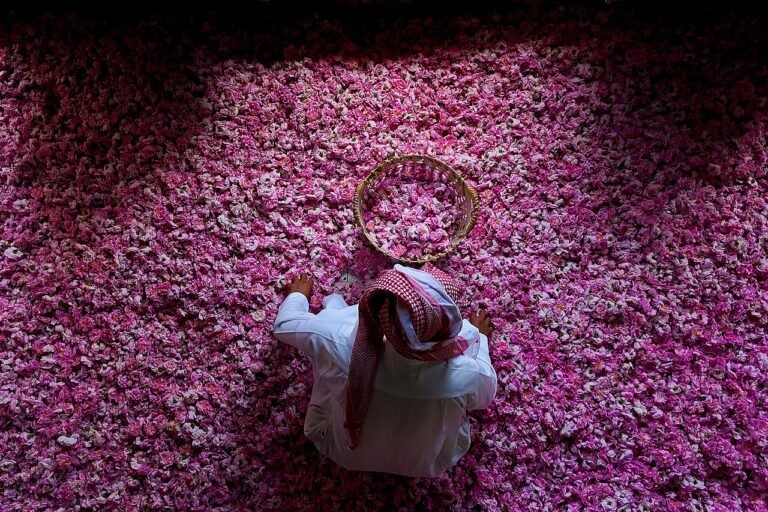
Every spring, the mountain city of Taif fills with the scent of Damask roses as local farmers harvest one of Saudi Arabia’s most distinctive agricultural products. The Taif Rose Festival celebrates this harvest, and its most recent edition, staged as the second Rose and Aromatic Plants Global Forum, ran from 29 March to 11 April 2026. This guide explains what the festival involves, when to expect future editions, and how to plan reliable transport for a visit to Taif’s mountain roads during rose season.

For a country widely associated with desert landscapes, Taif’s rose terraces are a genuine surprise for many first time visitors, and the festival built around the harvest has become one of the more distinctive entries on Saudi Arabia’s seasonal events calendar. Understanding the practicalities, when the harvest actually happens, how the festival dates are set, and how to get to the farms themselves, makes the difference between catching the season properly and arriving to find the roses already gone.

What the Taif Rose Festival celebrates

Taif’s elevation and climate, cooler and greener than much of the surrounding region, make it one of the few places in the Arabian Peninsula suited to growing Damask roses at scale. Each morning during the harvest window, which typically spans late March to early May, farmers hand pick roses before the heat of the day, and the blooms are quickly distilled into rose water and rose oil at traditional and modern facilities across the region. The festival brings this agricultural tradition to visitors through markets, cultural events and access to the terraced rose farms in the hills around the city, alongside the more recent addition of a global forum format bringing in wider aromatic plant industry participation.

As of this guide’s publication, no dates have yet been announced for the next edition. Visitors planning ahead should check Visit Saudi or Saudi Arabia’s Ministry of Culture channels closer to the season, since announcements typically come a few months in advance rather than a full year ahead.

The mountain road leading into Taif, Saudi Arabia

Taif beyond the festival

Taif’s appeal is not limited to the rose harvest window. Its mountain setting, roughly 1,800 metres above sea level, gives it a noticeably cooler climate than Jeddah or Makkah, both within a couple of hours’ drive, which has long made it a popular retreat during the hotter months. Attractions including Shubra Palace, Al-Hada’s scenic mountain road, and Taif’s souqs are worth a visit at any time of year, with the rose festival simply adding a seasonal layer for visitors whose trip happens to align with it.

What visitors often get wrong about timing

A common mistake among first time visitors is assuming the festival dates and the harvest itself are the same thing, or that either runs for the full six week harvest window. In practice, the harvest period spans roughly late March to early May, while the festival programme itself is a shorter, dated event within that broader window. This means it is entirely possible to visit Taif during active rose harvesting without the festival’s markets and organised events running, and equally possible for the festival dates to fall slightly before or after the peak of the harvest in a given year. Checking both the harvest timing and the specific festival dates separately, rather than assuming they align exactly, will give a more accurate picture of what to expect from your visit.

Getting to Taif

By air

Taif Regional Airport offers domestic connections and is the most direct way to reach the city without a long overland drive, particularly for visitors based in Riyadh or the Eastern Province.

By road from Jeddah or Makkah

Taif is commonly reached by road from Jeddah or Makkah, via the mountain route through Al-Hada. This road climbs significantly in elevation over a relatively short distance, with switchbacks and changing conditions that make it a route best driven by someone experienced with mountain roads, rather than a first time visitor unfamiliar with the terrain.

View of Taif city, Saudi Arabia

Getting around during rose season

The rose farms and distillation sites that draw festival visitors are spread across the hills surrounding Taif, rather than concentrated in the city centre, and many are working agricultural sites without dedicated public transport links. A pre booked driver familiar with the local roads makes it far easier to combine a farm visit, the city’s markets and any festival events in a single, well paced day, rather than trying to coordinate multiple separate journeys.

Planning tips for a Taif Rose Festival visit

  • Check for confirmed dates before booking travel. The next edition’s dates were not yet announced as of mid 2026, so confirm before finalising flights or accommodation.
  • Go early in the day. The rose harvest itself happens in the early morning, so a dawn start gives the best chance of seeing the harvest in progress rather than just the aftermath.
  • Pack for mountain weather. Even in spring, Taif’s elevation means cooler mornings and evenings than the coastal cities nearby.
  • Allow time for the Al-Hada road. If travelling from Jeddah or Makkah, build extra time into your journey for this scenic but slower mountain route.

The economics behind the festival

Taif’s rose industry is not simply a tourist attraction dressed up around an agricultural tradition, it is a genuine local economy. Thousands of farming families across the Taif region depend on the rose harvest, and the resulting rose water and rose oil are used both domestically, in perfumery, cosmetics and traditional hospitality, and exported more widely. The festival’s growth into a global forum format, bringing in wider aromatic plant industry participants alongside the traditional cultural celebration, reflects an attempt to build Taif’s international profile in this specific niche, rather than simply marketing an existing local custom to visitors.

Understanding this context adds something to a visit. Watching the early morning harvest, or visiting a distillation facility, is not just a photogenic activity, it is a window into a centuries old agricultural practice that remains economically significant to the region today, carried out largely unchanged by generations of the same farming families.

Frequently asked questions

When is the next Taif Rose Festival?

The most recent edition ran from 29 March to 11 April 2026. Dates for the next edition had not been announced as of this guide’s publication, so check official channels closer to the spring season.

Is Taif worth visiting outside rose season?

Yes. Taif’s cooler mountain climate, historic sites and markets are a year round draw, independent of the seasonal rose harvest.

Do I need a driver for the rose farms, or can I visit independently?

Many of the farms and distillation sites are working agricultural locations without dedicated visitor transport, so a pre booked driver familiar with the area is the most reliable way to plan a visit.

Booking your Taif transport

Saudi Cab Co offers fixed price transfers to Taif from Jeddah, Makkah and Taif Regional Airport, along with drivers experienced on the Al-Hada mountain road and the surrounding rose farm areas. Booking ahead is particularly worthwhile during the rose festival, when local demand for transport rises across the city.

Related guides

Checked sources

  • Visit Saudi, visitsaudi.com
  • Saudi Tourism Authority, sta.gov.sa
  • GACA, gaca.gov.sa

AlUla Arts Festival and Desert X transport

AlUla’s winter arts season has become one of Saudi Arabia’s most distinctive cultural draws, pairing large scale outdoor art installations with the region’s dramatic sandstone desert landscape. The AlUla Arts Festival, which incorporates the internationally recognised Desert X AlUla exhibition, ran its 2026 edition from 16 January to 28 February. With the season now behind us as of this guide’s publication, this article sets out what the festival involves, when it typically runs, and how to plan transport for a future edition or for AlUla’s wider cultural sites year round.

AlUla’s transformation from a little visited archaeological site into one of the region’s most talked about cultural destinations has happened remarkably quickly, and its arts programming has played a real part in that shift, alongside the more established draw of Hegra itself. For visitors trying to plan around this evolving calendar, understanding how the festival fits alongside AlUla’s permanent attractions, and how to get around a region with very little existing tourism infrastructure a decade ago, makes for a considerably smoother trip.

What the AlUla Arts Festival and Desert X AlUla involve

Desert X AlUla is the AlUla edition of the international Desert X exhibition series, which places large scale, site specific art installations directly into the desert landscape. In AlUla, this typically means works set among the valley’s sandstone formations, within reach of the Hegra archaeological site and AlUla’s Old Town. The wider AlUla Arts Festival programme has grown to include workshops, artist talks and additional exhibitions across the AlUla region, positioning the destination as a year round centre for contemporary art rather than a single seasonal event.

Because both events have historically run during AlUla’s cooler winter months, broadly January and February, visitors planning ahead should treat this as the likely window for future editions, while checking Experience AlUla’s official channels for confirmed dates rather than assuming the exact 2026 schedule will repeat unchanged.

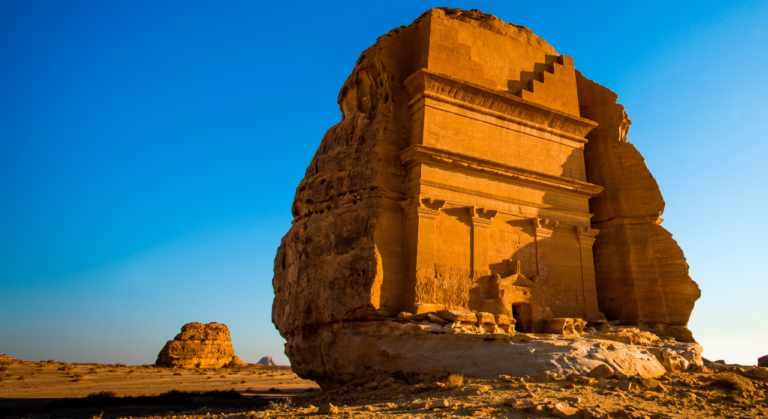
Rock-cut tombs at Madain Saleh (Hegra), AlUla

Visiting AlUla outside the festival dates

Even without the temporary installations, AlUla’s core attractions remain open year round, including Hegra, Saudi Arabia’s first UNESCO World Heritage Site, the AlUla Old Town, and the wider Sharaan and Ashar valley landscapes. Many visitors build a trip around these permanent sites and simply add the arts festival if their travel dates happen to align with it, rather than travelling exclusively for the temporary exhibitions.

Getting to AlUla

By air

AlUla International Airport is the most direct way to reach the destination, with connections from Riyadh, Jeddah and other Saudi cities, plus a growing number of international routes as the destination’s profile has grown. This is generally the most time efficient option for leisure visitors, particularly those combining AlUla with other parts of the country in a single trip.

By road

Some visitors choose to drive to AlUla from Riyadh or Madinah, taking in the desert landscape along the way. This is a long journey best undertaken with a professional driver rather than a self drive rental if you are unfamiliar with Saudi Arabia’s long distance road network, particularly given the distances and limited service stops on some stretches.

Sandstone rock formations at Madain Saleh, AlUla region

Getting around once you arrive

AlUla’s key sites, Hegra, the Old Town, Elephant Rock and the various valley locations used for exhibitions and installations, are spread across a wide area rather than concentrated in a single walkable district. A pre booked vehicle for the duration of your stay, rather than relying on ad hoc local transport, is the most practical way to move between sites, particularly during festival periods when visitor numbers and installation locations both increase.

Planning tips

  • Check current festival dates before booking. AlUla’s arts season has historically run in January and February, but confirm the exact dates for any future edition through Experience AlUla’s official channels.
  • Book accommodation and transport early. AlUla has a limited hotel inventory relative to Saudi Arabia’s larger cities, and demand rises sharply during headline cultural events.
  • Plan for desert conditions. Even in the cooler winter months, daytime sun exposure across open desert installation sites is significant, so sun protection and water are essential.
  • Combine with Hegra. If your trip includes the arts festival, allow separate time for Hegra and the Old Town, since both merit unhurried visits in their own right.
  • Bring the right footwear. Installation sites are set directly in the desert, often across uneven sand and rock, so comfortable, closed footwear makes a real difference over a full day of walking between works.

What makes AlUla’s approach to outdoor art distinctive

Desert X AlUla’s defining feature is its refusal to treat the desert as a neutral backdrop. Installations are conceived specifically for their sites, responding to the colour, scale and geology of the surrounding sandstone formations, which means the exhibition genuinely could not be staged anywhere else. This site specific approach has helped establish AlUla as a serious contemporary art destination rather than simply a heritage site with an added cultural programme, drawing international artists and curators to a part of Saudi Arabia that, within living memory, saw very few visitors of any kind.

For visitors, this means the experience rewards unhurried exploration. Installations are often spaced out across valley routes rather than clustered in a single gallery style space, so a rushed visit risks missing works entirely, or seeing them without the context of their surroundings that makes them work in the first place. Building extra time into your schedule, rather than treating the festival as a quick add on to a Hegra visit, is the difference between seeing the exhibition and properly experiencing it.

Frequently asked questions

When does the AlUla Arts Festival usually run?

Recent editions, including Desert X AlUla 2026, have run during AlUla’s cooler winter months, broadly January to February. Confirm exact dates for future editions through Experience AlUla’s official channels.

Is Desert X AlUla the same as the AlUla Arts Festival?

Desert X AlUla is one component of the broader AlUla Arts Festival programme, which also includes workshops, talks and other exhibitions across the region.

Can I still visit AlUla’s main sites outside the festival period?

Yes. Hegra, the Old Town and AlUla’s other permanent attractions operate year round, independently of the seasonal arts programme.

Looking ahead to future editions

Given how quickly AlUla’s cultural profile has grown, it is reasonable to expect future editions of the arts festival to continue expanding in scale and ambition. Visitors who missed the 2026 edition should keep an eye on Experience AlUla’s announcements as the next winter season approaches, since early planning tends to secure better accommodation availability in a destination where hotel capacity, while growing, remains more limited than in Saudi Arabia’s larger cities. Signing up for updates directly through official AlUla channels is generally more reliable than depending on secondary travel sites, which do not always reflect the latest confirmed dates.

Booking your AlUla transport

Saudi Cab Co arranges fixed price, professionally driven transfers to and from AlUla International Airport, along with vehicles for getting between the region’s spread out sites during your stay. Whether you are planning around a future arts festival edition or visiting AlUla’s permanent attractions, booking your transport ahead avoids the uncertainty of arranging transfers on arrival in a destination with limited casual transport options.

Related guides

Checked sources

  • Experience AlUla, experiencealula.com
  • Desert X, desertx.org
  • Visit Saudi, visitsaudi.com
  • GACA, gaca.gov.sa

Red Sea International Film Festival transport

The Red Sea International Film Festival has become one of the Middle East’s most prominent cultural events since its launch, drawing international film industry figures and visitors to Jeddah each year. With the festival’s 2026 edition confirmed for 3 to 12 December, running from its Al-Balad headquarters in Jeddah’s historic old town, this guide covers what to expect and how to plan reliable transport around the festival period.

Since its launch, the festival has steadily grown its international standing, drawing filmmakers, actors and industry figures from across the Arab world and beyond, alongside a domestic audience increasingly engaged with Saudi Arabia’s own emerging film industry. For visitors, that growth also means increasing competition for hotel rooms and transport during the festival window, which makes early planning more important with each successive edition.

About the Red Sea International Film Festival

The festival is headquartered in Al-Balad, Jeddah’s UNESCO listed historic district, a network of coral stone buildings, narrow lanes and traditional wooden balconies that gives the event a distinctive setting compared with a purpose built convention centre. Screenings, red carpet events and industry sessions take place across venues in and around this historic core, alongside other Jeddah locations used for larger premieres. The 2026 edition is scheduled for 3 to 12 December, and organisers have opened early registration ahead of the dates, a sign of the festival’s continued growth since its earlier editions.

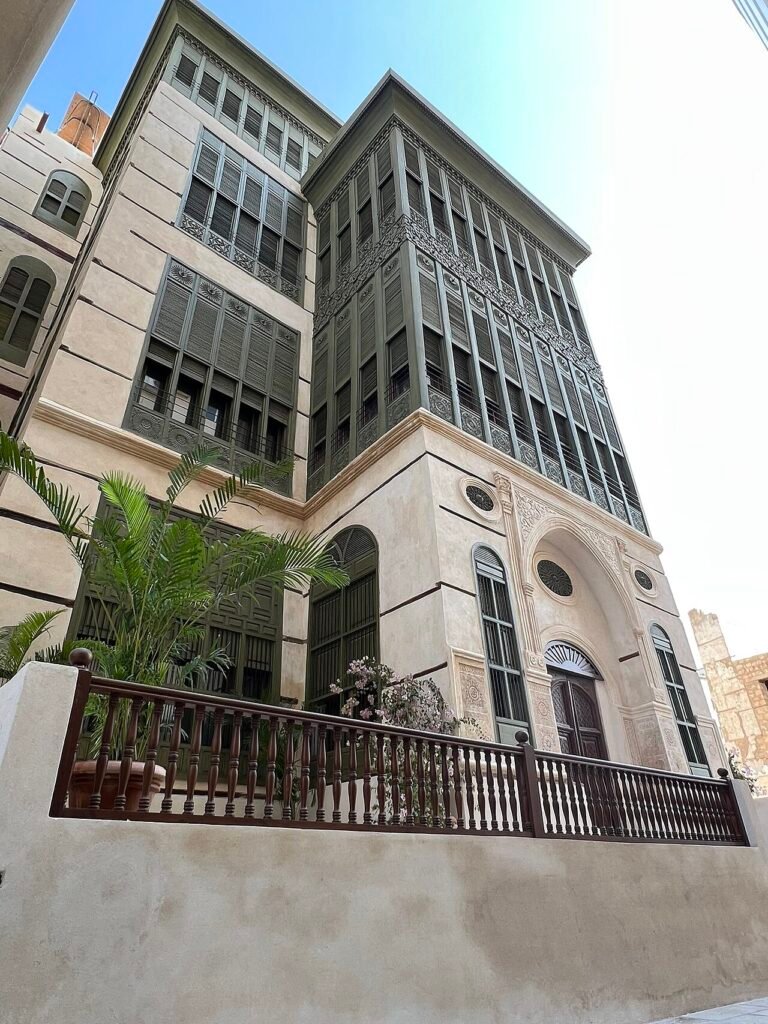
Traditional Hejazi house interior in Al-Balad, Jeddah

Why Al-Balad matters for your trip

Al-Balad’s historic character is central to the festival experience, but it also shapes how you should think about getting around during the event. The district’s narrow streets and pedestrianised areas are not designed for high volumes of vehicle traffic, and during a major festival period road closures, security checkpoints and heavy footfall are all realistic possibilities around key venues. Visitors staying elsewhere in Jeddah should plan for this rather than assuming a straightforward door to door drive at peak festival hours.

Outside of festival dates, Al-Balad is also simply worth visiting in its own right, with traditional Hejazi architecture, restored merchant houses and a growing number of galleries and cafes that reflect Jeddah’s ongoing heritage preservation efforts.

Planning transport around the festival

Airport to hotel

Most international visitors arrive via King Abdulaziz International Airport in Jeddah. Given the surge in visitor numbers during major festival dates, pre booking a fixed price airport transfer removes the uncertainty of finding on demand transport during a period when local ride hailing and taxi availability can be stretched.

Hotel to festival venues

Because Al-Balad’s core is best explored on foot once you arrive, the practical transport decision is really about the first and last mile, getting from your hotel to the edge of the historic district comfortably, particularly for evening events, formal attire, or when travelling in a group. A driver who knows the current road closures and drop off points for the festival period is a genuine advantage over a standard ride hailing pickup.

Late night departures

Film festival schedules regularly run into the evening, with premieres, receptions and industry events extending well past a typical dinner hour. Arranging a pre booked return journey, rather than relying on finding transport after a late event, is one of the simplest ways to avoid a frustrating end to the evening.

Streets of Al-Balad historic district, Jeddah, Saudi Arabia

What a typical festival day looks like

Festival days generally combine daytime industry sessions and press activities with evening screenings and red carpet events, meaning transport demand tends to build steadily through the afternoon and peak in the early evening as attendees head to premieres. Visitors not directly involved in the industry side of the festival, but attending as film fans or general visitors, will find the evening screenings and public facing events the most accessible entry point, and these are exactly the journeys worth planning transport around most carefully, given the concentration of vehicles converging on Al-Balad at the same time each evening.

Practical tips for festival visitors

  • Book your accommodation with Al-Balad’s access constraints in mind. A hotel within a short transfer of the historic district is generally more convenient than one requiring a long cross city journey for every event.
  • Confirm venue details as they are released. Screenings and events may be spread across multiple locations, so check your specific schedule rather than assuming everything is within walking distance of Al-Balad’s core.
  • Allow extra time during peak festival days. Increased footfall and any security measures around major venues can add time to even short journeys.
  • Dress and pack for a historic pedestrian district. Cobbled and uneven surfaces are common in Al-Balad, which is worth factoring into footwear choices for evening events.
  • Keep your driver’s contact details to hand. During a busy festival period, having a direct line to your booked driver, rather than relying solely on an app, can make coordinating a pickup point easier amid road closures.

Beyond the festival: Al-Balad year round

Jeddah’s investment in Al-Balad extends well beyond the festival calendar. The district’s ongoing heritage restoration programme has steadily brought more of its traditional merchant houses, galleries and public spaces back into use, and it now functions as a genuine cultural destination in its own right, not simply a backdrop for a single annual event. Visitors arriving outside festival dates will still find a rewarding, walkable historic quarter, generally with far fewer crowds and none of the road closures that come with a major international event. For anyone building a longer Jeddah itinerary, pairing a relaxed, non festival visit to Al-Balad with the busier energy of festival season, if your travel dates allow both, gives a fuller picture of the district than either visit alone.

It is also worth noting that Jeddah’s broader cultural calendar has grown considerably in recent years, and the Red Sea International Film Festival now sits alongside a wider push to position the city as a genuine arts and culture destination on the Red Sea coast, rather than purely a transit point for pilgrims travelling on to Makkah and Madinah.

Frequently asked questions

When is the Red Sea International Film Festival in 2026?

The 2026 edition is scheduled to run from 3 to 12 December, headquartered in Al-Balad, Jeddah.

Is Al-Balad easy to reach from Jeddah’s main hotels?

Yes, but during festival dates expect additional traffic management and higher demand for transport, so pre booking is worthwhile, particularly for evening events.

Can I book a fixed price transfer for the full festival period?

Yes. Saudi Cab Co can arrange multiple pre booked journeys across your stay, including airport transfers and evening pickups timed to festival event schedules.

Booking reliable transport for the festival

Saudi Cab Co offers fixed fare, professionally driven transfers across Jeddah, including airport pickups timed to your flight and pre arranged evening transport to and from Al-Balad during the Red Sea International Film Festival. Booking ahead of the festival dates is particularly worthwhile given the citywide demand a major international event like this generates.

Related guides

Checked sources

  • Red Sea International Film Festival official announcements
  • Visit Saudi, visitsaudi.com
  • Saudi Tourism Authority, sta.gov.sa
  • GACA, gaca.gov.sa

Trojena and NEOM mountain destination transport

Trojena is NEOM’s planned mountain tourism destination, high in the Sarawat range of Tabuk province, designed around a year round outdoor lifestyle that includes Saudi Arabia’s first purpose built ski and winter sports offering. It is one of the most ambitious and closely watched components of the wider NEOM giga project, and it remains, as of mid 2026, very much a destination in development rather than a fully open resort. This guide sets out what is actually confirmed, what has changed recently, and how to think about transport if your travel plans bring you into the NEOM mountain region.

Few components of Saudi Arabia’s giga project programme have attracted as much international curiosity as the idea of a ski resort in the Arabian Peninsula. That curiosity is well founded, Trojena’s elevation genuinely does bring winter temperatures cold enough to sustain artificial snow, a real rarity for this part of the world, and the project has been promoted heavily as a symbol of how far the country’s tourism ambitions extend. Separating that promotional narrative from the current, verifiable state of construction is essential for anyone actually planning travel around it.

What Trojena is meant to be

Trojena’s masterplan describes a mountain destination built around its elevation and temperature contrast with the rest of the Arabian Peninsula, with outdoor adventure sports, a nature reserve, an alpine style village and, most distinctively, an outdoor ski village intended to bring skiing to the region for the first time. NEOM has promoted Trojena as a year round destination, with winter sports positioned alongside hiking, climbing and other mountain activities for the warmer months.

An important update: the 2029 Asian Winter Games

In 2022, NEOM was awarded the right to host the 2029 Asian Winter Games at Trojena, a milestone that was intended to showcase the destination on the international stage. However, in January 2026 Saudi Arabia postponed its hosting of the Games, and in February 2026 the Olympic Council of Asia confirmed Almaty, Kazakhstan as the new host city, following delays affecting the wider Trojena construction programme. This is a meaningful, publicly reported change to the project’s timeline, and visitors should treat any claims about Trojena’s completion date, or about specific facilities being open, with caution until confirmed by NEOM’s own official channels closer to your travel dates.

Aerial view of Saudi Arabia's northwestern mountain terrain near Trojena

What this means for visitors today

With the flagship international sporting event no longer scheduled at Trojena, the destination’s public facing timeline for a full opening is less certain than it appeared in earlier announcements. That does not mean the wider NEOM mountain region is closed to visitors, but it does mean travellers should not assume Trojena’s ski village, hotels or other headline attractions are operational without checking first. If your trip involves the broader NEOM area for business, construction related work, or to see other NEOM developments along the Red Sea coast, that is a separate and generally more established journey than a specific Trojena leisure visit.

Prospective visitors planning a dedicated Trojena leisure trip should check NEOM’s official announcements and Visit Saudi directly before booking, since opening dates for individual components of the destination have moved before and may move again.

Reaching the NEOM mountain region

By air

NEOM Bay Airport, on the Red Sea coast, is the primary gateway for the wider NEOM area, with Tabuk’s regional airport serving as an alternative entry point further inland, closer to the Trojena mountain area itself. Which airport makes sense depends on where in the NEOM region your specific destination sits, so it is worth confirming this with your accommodation or employer before booking flights.

By road

The mountain roads leading up into the Trojena area involve a real change in elevation and terrain compared with the coastal NEOM developments, and conditions can vary with weather. A professional driver familiar with the route is a sensible choice for this leg, particularly for visitors unfamiliar with mountain driving conditions in the region.

Mountainous desert landscape of northwest Saudi Arabia near NEOM

Planning tips for a NEOM mountain trip

  • Confirm what is actually open before you travel. Given the scale of the project and its recently adjusted timeline, do not assume any specific Trojena facility is operational without checking an official source.
  • Choose your arrival airport carefully. NEOM Bay Airport and Tabuk’s airport serve different parts of the region, and the right choice depends on your final destination within NEOM.
  • Book your onward transfer in advance. The NEOM region covers a large area with limited casual transport options, so arranging a pre booked vehicle for the airport to destination leg avoids delays.
  • Pack for temperature contrast. Trojena’s elevation means noticeably cooler conditions than the Red Sea coast or Tabuk city, particularly overnight.

Setting realistic expectations

Large infrastructure projects on this scale rarely proceed on a straight line timeline, and Trojena is no exception. The 2029 Asian Winter Games relocation is a useful, publicly confirmed data point for how to think about the project generally: an internationally significant milestone, awarded years in advance, was ultimately moved due to construction realities. That is a normal part of how giga projects of this size develop, and it does not necessarily mean the underlying destination will not eventually open as envisioned. It does mean travellers planning a specific leisure trip around Trojena’s ski village or other headline attractions should build in flexibility, and avoid booking non refundable travel around assumed opening dates that have not been confirmed directly by NEOM.

For business travellers, contractors and anyone with a confirmed reason to be in the wider NEOM region, this uncertainty matters less, since that travel is typically tied to specific project sites and schedules communicated directly by an employer or client, rather than public tourism announcements.

Frequently asked questions

Is Trojena open to visitors now?

Parts of the wider NEOM region are active for business and construction related travel, but Trojena’s headline leisure attractions, including its ski village, should not be assumed to be open without checking NEOM’s official channels for current status, particularly following the 2029 Asian Winter Games relocation to Almaty.

Why was the Asian Winter Games moved?

Saudi Arabia postponed its hosting of the 2029 Asian Winter Games at Trojena in January 2026, and the Olympic Council of Asia subsequently confirmed Almaty as the new host, citing delays in the venue’s construction timeline.

Which airport should I fly into for NEOM?

NEOM Bay Airport serves the coastal NEOM developments, while Tabuk’s regional airport is a practical alternative for the mountain areas further inland, including access towards Trojena. Confirm the best option with your accommodation or host before booking.

Booking transport into the NEOM region

Saudi Cab Co arranges fixed price, professionally driven transfers from both NEOM Bay Airport and Tabuk to destinations across the wider NEOM region, including the mountain roads leading towards Trojena. Given the distances and the still developing infrastructure across the area, a pre booked, flight tracked transfer remains the most reliable way to plan a NEOM mountain trip today.

Related guides

Checked sources

  • Visit Saudi, visitsaudi.com
  • Saudi Tourism Authority, sta.gov.sa
  • GACA, gaca.gov.sa
  • Olympic Council of Asia announcement on the 2029 Asian Winter Games host relocation, February 2026

Amaala luxury resort transfer

Amaala is Red Sea Global’s second flagship luxury destination on Saudi Arabia’s northwestern Red Sea coast, positioned as an ultra premium alternative to the more widely known Red Sea destination further south. As its resorts open in phases, an increasing number of leisure travellers are asking the same practical question: how do you actually get there, and what should you expect from the journey.

For travellers weighing up Saudi Arabia’s growing roster of Red Sea luxury destinations, Amaala is generally the choice for a quieter, more deliberately paced trip, rather than a resort built around high volume, high energy tourism. Understanding the practicalities of reaching it, given its remote coastal location and the fact that its supporting infrastructure is still expanding alongside the resorts themselves, is a genuinely important part of planning a trip here well.

Where Amaala is and why it matters

Amaala sits within the Prince Mohammed bin Salman Natural Reserve on Saudi Arabia’s Red Sea coastline, in Tabuk province, an area chosen for its clear waters, coral reefs and mountainous desert backdrop. Red Sea Global has developed the destination around a wellness, arts and ultra luxury positioning, distinct from the broader family and adventure tourism focus of its sister project, The Red Sea. Six Senses Amaala, one of the destination’s flagship hotel openings, became operational in mid 2026, joining the resorts already welcoming guests as Amaala’s opening phases progress.

As with other Red Sea Global destinations, Amaala is being developed with sustainability commitments built into its masterplan, including limits on visitor numbers and a strong emphasis on marine conservation across its surrounding reef systems.

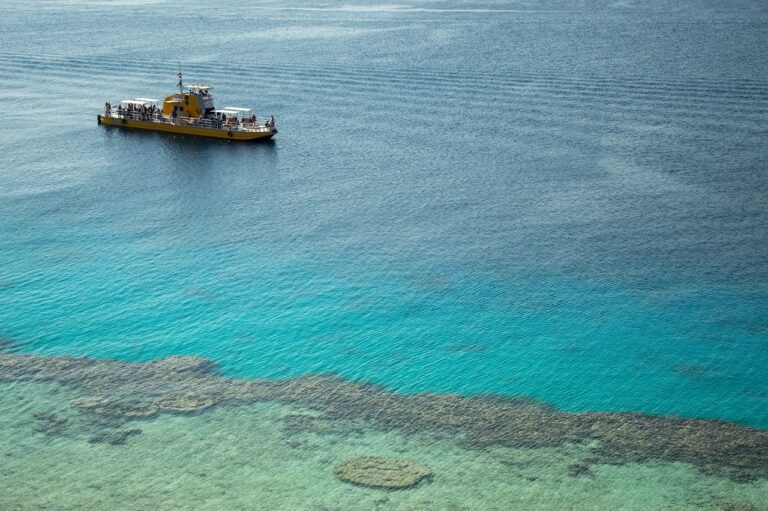
Deep blue Red Sea coral reefs near the Amaala development

How visitors currently reach Amaala

By air

The most common route for international and domestic leisure travellers is to fly into one of Red Sea Global’s dedicated coastal airports serving the northwestern Red Sea region, then complete the final leg by road transfer to the resort itself. Given the remote, protected nature of the coastline Amaala occupies, private resorts in this area are generally not reachable by public transport, and transfers are arranged directly with a driver or through the resort.

By road from Jeddah

Some visitors, particularly those extending a trip that already includes Jeddah or the wider Red Sea coast, choose to travel overland. This is a long desert drive along the coastal road network, and while it offers scenic coastal views, it is a multi hour journey best undertaken with a professional driver familiar with the route, rather than a self drive rental for visitors unfamiliar with Saudi Arabia’s road conditions.

What sets an Amaala trip apart

Because Amaala is positioned around wellness and exclusivity, many of its guests are travelling for a specific purpose, a spa focused break, a milestone celebration, or a quieter alternative to more built up coastal resorts elsewhere in the region. That means the transfer itself is often the first and last impression of the trip, and travellers increasingly expect the same standard of comfort and reliability on the road that they expect from the resort.

Privacy also matters more here than at a typical airport transfer. A dedicated, pre booked vehicle avoids the uncertainty of shared shuttles or unfamiliar ride hailing options in a remote coastal area with limited connectivity.

Red Sea mangrove and reef ecosystem near the Saudi Red Sea coast

Timing your Amaala trip

Saudi Arabia’s Red Sea coast is at its most comfortable during the cooler months, broadly October through April, when daytime temperatures are more manageable for outdoor activity, diving and exploring the surrounding reserve. Summer visits remain possible given the resort’s own cooling and shaded spaces, but travellers planning to spend significant time outdoors, on the water or exploring the wider reserve, will generally get more out of a cooler season visit. As Amaala’s opening phases continue, it is also worth checking directly with your specific resort about which facilities and excursions are currently available at the time of your stay, since a phased opening naturally means the range of activities on offer will keep expanding.

Planning your transfer

  • Confirm your arrival airport with the resort. Red Sea Global’s northwestern airports serve different parts of the coastline, so confirm which one is closest to your specific Amaala property before booking transport.
  • Book ahead, not on arrival. Given the distances and limited local infrastructure, arranging a fixed price transfer before you fly removes any uncertainty about availability once you land.
  • Ask about luggage and vehicle size. Longer stays, spa equipment or golf bags may need a larger vehicle than a standard sedan, so flag this when booking.
  • Build in flexibility for flight delays. A driver working from your actual flight details, rather than a fixed pickup time, avoids unnecessary waiting or missed connections at a remote airport with less frequent onward transport.

What to expect once you arrive

Amaala’s resorts are designed around understated luxury rather than the more overtly branded resort experience found elsewhere in the region. Expect low density development, extensive use of natural materials, and a strong emphasis on the surrounding marine and desert environment as part of the experience itself, from guided reef excursions to wellness programming that draws on the destination’s remote, quiet setting. This is deliberate: Red Sea Global has been explicit that Amaala is designed to feel materially different from a conventional resort strip, with visitor caps in place across its wider footprint to protect both the environment and the sense of exclusivity that underpins the destination’s positioning.

That same remoteness is precisely why transport planning matters more here than at a typical beach resort. There is no walkable town centre nearby, no casual taxi rank, and limited mobile connectivity in parts of the wider reserve. Treating your transfer as an integral part of the trip, arranged before you leave home, rather than an afterthought to sort out on arrival, is the difference between a smooth start to a wellness break and an unnecessarily stressful one.

Frequently asked questions

Is Amaala fully open yet?

Amaala is opening in phases. Some resorts, including Six Senses Amaala, are now operational, while other components of the wider destination remain under development. Always confirm your specific resort’s opening status directly before booking travel.

How different is Amaala from The Red Sea destination?

Both are Red Sea Global projects on Saudi Arabia’s northwestern coast, but Amaala is positioned around an ultra luxury, wellness and arts led experience, while The Red Sea destination further south has a broader family and adventure tourism focus.

Can I book a return airport transfer in advance?

Yes. Saudi Cab Co offers fixed fare, flight tracked transfers to and from the airports serving Saudi Arabia’s Red Sea coast, so both legs of an Amaala trip can be arranged before you travel.

Booking a reliable Amaala transfer

Saudi Cab Co provides fixed price, professionally driven transfers to Amaala and the surrounding Red Sea coastline, with flight tracking so your pickup adjusts automatically if your arrival time changes. For a destination built around calm and exclusivity, arriving in a pre arranged, comfortable vehicle is part of getting the experience right from the moment you land.

Related guides

Checked sources

  • Red Sea Global, redseaglobal.com
  • Visit Saudi, visitsaudi.com
  • Saudi Tourism Authority, sta.gov.sa
  • GACA, gaca.gov.sa

Qiddiya entertainment city visitor guide

Qiddiya, Saudi Arabia’s purpose built entertainment city on the western edge of Riyadh, has moved from concept to reality. With Six Flags Qiddiya City now open and the wider destination continuing to take shape, visitors are asking a practical question: what is actually there to do, and how do you plan a day (or several) around it. This guide focuses on the leisure side of Qiddiya, the rides, the attractions and the reasons to build a trip around it, rather than the mechanics of the journey itself.

For a growing number of leisure travellers, Qiddiya has become the deciding factor in whether to extend a Riyadh trip by an extra day, or even to build an entire Saudi Arabia itinerary around a Riyadh base in the first place. That reflects a broader shift in how the country is being positioned internationally, away from a destination defined solely by heritage and religious tourism, and towards one that also competes directly with established global entertainment cities. Qiddiya is the clearest expression of that ambition currently open to visitors, and this guide is written for anyone trying to work out whether, and how, to fit it into a trip.

What Qiddiya is, in plain terms

Qiddiya sits roughly 40 to 50 kilometres southwest of central Riyadh, in the Wadi Safar area on the city’s escarpment. It is being developed as a giga project under Saudi Arabia’s Vision 2030 programme, with the ambition of becoming a nationwide hub for entertainment, sports and the arts. Unlike a single theme park, Qiddiya is planned as an entire district, eventually including residential, retail, hospitality and educational elements alongside its leisure attractions.

For visitors today, the headline draw is Six Flags Qiddiya City, which held its official opening at the end of 2025. The park includes 28 rides and attractions across six themed lands, along with international dining and retail outlets. Its most talked about feature is Falcon’s Flight, promoted as the world’s longest, fastest and tallest roller coaster, alongside other named attractions such as Iron Rattler and Spitfire.

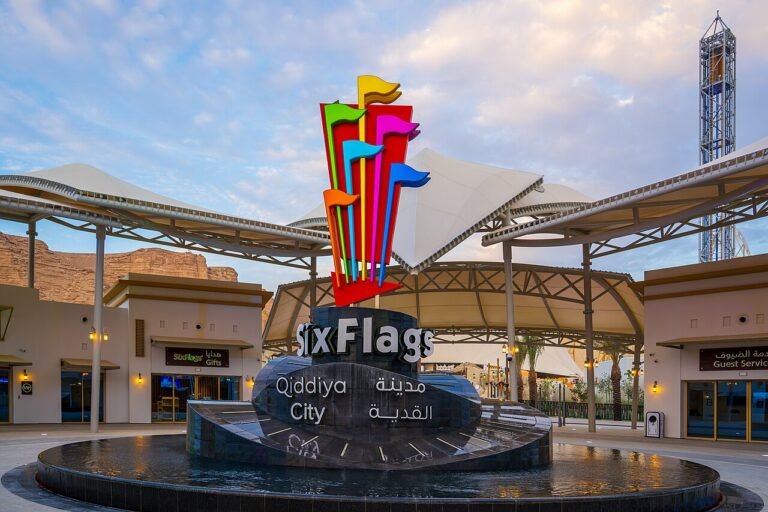
Six Flags Qiddiya City theme park near Riyadh

Planning a visit for the entertainment on offer

Six Flags Qiddiya City

This is the anchor attraction for most visitors and realistically needs a full day if you want to experience the headline coasters without rushing. Ride queues, the desert climate and the sheer scale of the site mean it is worth arriving as close to opening time as possible. Saudi Arabia’s summer heat is intense, so many visitors now favour cooler months, or early morning and evening sessions, for the most comfortable experience.

The wider Qiddiya district

Beyond the theme park, Qiddiya’s masterplan describes a much larger destination intended to host sports competitions, festivals, concerts and cultural events at scale over time. Much of this is still under construction, so it is worth checking current listings before assuming a specific venue or event is open. Visit Saudi and the official Qiddiya channels are the most reliable places to confirm what is operating on the date you plan to travel.

Why leisure travellers are adding Qiddiya to a Riyadh itinerary

Qiddiya gives visitors to Riyadh a genuine full day, thrill focused alternative to the city’s heritage and dining scene. For families, it offers a single destination with a wide spread of ride intensities. For travellers who have already covered Riyadh’s more established sights such as Diriyah and the historic Masmak area, Qiddiya is a natural way to extend a trip by a day without leaving the wider Riyadh region.

Because the site is still expanding, it is also a destination some visitors are choosing to see now, as an early look at one of the country’s most ambitious tourism projects, rather than waiting until every phase is complete.

Entrance to the City of Thrills area at Six Flags Qiddiya City

Practical visitor tips

  • Book tickets ahead. As with most major theme parks, advance online booking is the norm and helps avoid queuing at the gate.
  • Plan around the heat. Riyadh’s summer temperatures regularly exceed 40 degrees Celsius. Many rides and queue areas are outdoors, so hydration and shade breaks matter.
  • Allow a buffer day. If Qiddiya is one stop on a wider Riyadh trip, treat it as a dedicated day rather than trying to combine it with central Riyadh sightseeing in the same visit.
  • Check what is currently open. Because Qiddiya is a long term, phased development, always confirm current opening details for any attraction beyond Six Flags before you travel.

Best time of year to visit

Saudi Arabia’s cooler season, broadly October through to April, is the most comfortable window for a full day of outdoor rides and queuing. Winter evenings in Riyadh can be genuinely pleasant, and many visitors now plan late afternoon arrivals so the hottest part of the day is spent indoors or travelling, with rides tackled as temperatures drop. Riyadh Season, the city’s annual entertainment programme, also tends to draw visitor numbers up across the wider region during the winter months, so booking transport and any accommodation ahead is sensible if your trip overlaps with it.

Summer visits are still possible, particularly if you are comfortable with intense heat and plan around it, but expect shorter comfortable windows outdoors and a greater reliance on shaded or air conditioned areas of the park.

How Qiddiya compares to Riyadh’s other leisure options

Riyadh already has a growing entertainment scene of its own, from the seasonal Riyadh Season festival venues to permanent attractions closer to the city centre. What sets Qiddiya apart is scale and permanence. Rather than a temporary festival footprint, it is a fixed, purpose built entertainment city intended to operate year round, with Six Flags Qiddiya City as a permanent anchor rather than a seasonal pop up. For visitors who have already experienced Riyadh Season or the city’s more established venues, Qiddiya offers something genuinely different, a full scale theme park experience that would not look out of place alongside major international parks, set in a striking desert escarpment location unlike anything else in the region.

It is also worth setting expectations correctly. Qiddiya is not, today, a finished resort town with a wide choice of hotels, restaurants and secondary attractions clustered around the theme park. Much of that wider infrastructure is still being built. Visitors should currently plan around a day trip model, based from Riyadh, rather than expecting a fully self contained destination with everything on site.

Frequently asked questions

Is Qiddiya suitable for a family day trip from Riyadh?

Yes. Six Flags Qiddiya City is designed with a broad mix of ride intensities across its six themed lands, so it can suit families with a range of ages, alongside thrill seekers looking for record breaking coasters.

How much of Qiddiya is actually open today?

Six Flags Qiddiya City is the operating anchor attraction. The wider Qiddiya district, including its planned residential, retail and additional entertainment components, remains under construction in phases, so it is worth checking current listings before assuming any specific venue beyond the theme park is open.

Do I need to book transport in advance?

Given Qiddiya’s distance from central Riyadh and the surge in demand around park opening and closing times, pre booking a fixed price transfer is the most reliable way to guarantee pickup, particularly for an evening return after a full day at the park.

Getting there without the hassle

Qiddiya is not yet served by a dedicated rail or metro connection, and its distance from central Riyadh, together with desert road conditions, makes a private pre booked transfer the most comfortable way to arrive relaxed rather than road weary. A fixed price, professionally driven transfer also removes the uncertainty of ride hailing availability at a large, high demand entertainment venue, particularly around park opening and closing times when demand spikes.

Saudi Cab Co offers fixed fare private transfers between Riyadh (including King Khalid International Airport) and Qiddiya, with flight tracked pickups and a choice of vehicle sizes for families or groups. Booking ahead means your return journey is already arranged, so a long day at the park ends with a straightforward ride back rather than a search for transport after dark.

Related guides

Checked sources

  • Visit Saudi, visitsaudi.com
  • Saudi Tourism Authority, sta.gov.sa
  • Six Flags Qiddiya City official opening announcement, December 2025
  • GACA, gaca.gov.sa

Diriyah and Riyadh’s Heritage Sites: Planning Your Visit by Private Transport

Reviewed planning guidance. Details can change; use the linked official sources and get a live quote for current pricing and availability.

Diriyah sits a short drive from central Riyadh, on the northwestern edge of the capital along the Wadi Hanifah, yet stepping into At-Turaif’s mud-brick streets feels like a different country from the glass towers a few kilometres away. It is the birthplace of the first Saudi state and now a UNESCO World Heritage Site, and it draws a growing number of business travellers extending a Riyadh trip, tourists building a heritage-focused itinerary, and residents showing visiting family around. This guide covers how to plan a visit by private transport, including timing around opening hours and heat, and why a driver who can wait for you usually works better than trying to piece the day together with public transport.

Why Diriyah is worth the detour

For anyone with an interest in how modern Saudi Arabia came to be, Diriyah is where that story genuinely begins, which is part of why it draws such a wide mix of visitors, from history-focused tourists to business travellers looking for a worthwhile way to spend a free afternoon.

Diriyah was the founding capital of the first Saudi state, and its restored mud-brick district, At-Turaif, is recognised as a UNESCO World Heritage Site. Visit Saudi profiles the district as one of Riyadh’s essential heritage attractions, covering the citadel, its museums and the wider Diriyah area (visitsaudi.com). For visitors used to Riyadh’s modern skyline, it is a genuinely different experience: narrow lanes, restored fortifications and a district built specifically to explain how the country’s history led to where it is today. Walking through the district, you pass the reconstructed walls and towers of what was once the seat of the Al Saud family before Riyadh became the capital, alongside museum spaces that explain the site’s role in the country’s formation. The restoration work itself, blending traditional Najdi mud-brick building techniques with modern conservation methods, is part of what earned the site its UNESCO recognition, and it is worth allowing enough time to take in both the history and the architecture rather than rushing through.

Beyond At-Turaif itself, the wider Diriyah development includes restaurant and café terraces built into the wadi overlooking the historic district, which makes it as workable for an evening out as it is for an afternoon of sightseeing.

Getting there and around: timing your visit

Diriyah lies close enough to central Riyadh that it works comfortably as a half-day or evening trip rather than requiring an overnight stay. The practical planning question is less about distance and more about timing.

Opening hours and when to go

At-Turaif operates on set visiting hours that lean towards the evening, so check current opening times on the official listing before you plan your day, since hours can be adjusted seasonally (visitsaudi.com). Booking tickets in advance where the site allows it will save time on arrival, particularly if you are visiting during a busier period. Weekends and public holidays tend to draw larger crowds than weekday evenings, so if your schedule is flexible, a weekday visit generally means a calmer experience, particularly inside the more popular museum spaces.

Beating the heat

Riyadh’s daytime heat for much of the year makes outdoor walking through a heritage district considerably more comfortable earlier or later in the day than at midday. Since At-Turaif’s own hours already lean towards evening opening, this generally works in visitors’ favour, but if you are combining it with other outdoor heritage sites around Riyadh earlier in the day, plan for shade, water and a driver who can move you between covered stops without a long wait in the sun. Comfortable, closed footwear is worth packing regardless of season, since the district’s streets are a mix of paved and uneven traditional surfaces that are not especially forgiving in sandals.

Restored mud-brick architecture in Diriyah's At-Turaif district

Why a waiting driver beats public transport for a heritage day out

Riyadh’s public transport network has expanded significantly in recent years, but heritage sightseeing has a different rhythm from a daily commute. You do not want to be checking a timetable while standing in the sun outside a museum, and you do not want to cut a visit short because your onward connection only runs every thirty minutes. A private driver who waits while you visit each site, rather than dropping you off and disappearing, changes the whole pace of the day.

  • You can spend as long as you like inside At-Turaif’s museums without worrying about a return journey.
  • If you decide to add an extra stop, a coffee at a terrace overlooking the wadi or a second heritage site, your driver adjusts rather than you having to plan a new route on the spot.
  • Luggage, camera equipment or gifts bought along the way can simply stay in the car rather than being carried around a historic site all afternoon.

There is also a cost argument that is easy to overlook. Piecing together a day using multiple short taxi bookings, each negotiated or hailed separately, often ends up costing more in total than a single half-day or full-day booking with a fixed price agreed upfront, once you account for the inefficiency of multiple separate pickups.

This is essentially the same logic that applies to business travel in the city. If you are in Riyadh primarily for work and adding Diriyah as a half-day extension, our Riyadh business travel transport guide covers how to structure a schedule that mixes meetings with sightseeing without wasting time between them.

Other Riyadh heritage and cultural sites worth combining with Diriyah

Diriyah is often the centrepiece of a Riyadh heritage day, but it is rarely the only stop worth making. Depending on your interests and how much time you have, a private driver can string together a route that a public transport day pass simply cannot match efficiently, taking in a national museum, an older historic souq, or a viewpoint over the capital before heading back for the evening. Because each of these sites keeps its own hours and is spread across different parts of the city, having transport that adapts to your pace rather than the other way round is the difference between a relaxed day and a rushed one. Many of these areas also offer traditional dining and shopping worth building into your day, so a route that allows you to stop for lunch or an early dinner somewhere with local character, rather than a generic hotel restaurant, is easy to arrange with a driver who knows the city well.

Private driver waiting beside a car near a Riyadh heritage site

Practical booking tips for a heritage-sites day

Once you have decided which sites to cover and roughly how much time you want to spend at each, the booking itself is fairly straightforward, but a few small details are worth confirming ahead of time so the day runs smoothly rather than needing adjustments once you are already out and about. A few things worth arranging before you set off:

  • Confirm current opening hours for each site you plan to visit; heritage attractions in Riyadh do adjust hours seasonally, so check the official listing rather than an older blog post.
  • Book your driver for a set block of hours rather than a single point-to-point trip, so waiting time between stops is already accounted for.
  • If your group includes children or older relatives, ask for a vehicle with enough space to be comfortable across a full day out, not just enough seats to technically fit everyone.
  • Agree your price before you set off. A fixed quote for the day avoids any ambiguity about waiting time being charged differently to driving time.
  • Ask whether your driver is familiar with Diriyah specifically, since the district’s layout and entry points differ from a typical city-centre pickup.

If you are new to booking private transport in Saudi Arabia generally, our guide to what to check before booking a private driver covers the basics that apply whether you are visiting Diriyah for an afternoon or arranging transport for a longer trip.

Frequently asked questions

How far is Diriyah from central Riyadh?
It is a short drive from central Riyadh, well suited to a half-day or evening trip. Exact journey times vary with traffic, so allow extra time around rush hour.

What are At-Turaif’s opening hours?
Hours lean towards the evening and can be adjusted seasonally. Check the current listing on visitsaudi.com before you plan your visit.

Do I need to book tickets in advance?
It is recommended where the booking system allows it, particularly during busier periods, to avoid time lost queuing on arrival.

Is Diriyah walkable, or do I need transport between sights?
At-Turaif itself is walkable once you arrive, but getting to Diriyah and between it and other Riyadh heritage sites is best done by private transport given limited public transport links.

Can I visit Diriyah as a half-day trip during a business visit to Riyadh?
Yes, it is a popular add-on for business travellers with a free afternoon or evening, and works well combined with a driver already booked for the day.

What else should I combine with a Diriyah visit?
Many visitors pair it with other Riyadh heritage and cultural sites, or an evening at a terrace overlooking the historic district, depending on how much time is available.


Planning a Diriyah day out is easier with transport that waits for you rather than working around a timetable. Saudi Cab Co can arrange a private driver for a set block of hours, covering At-Turaif and any other Riyadh heritage sites you want to fit in. Get a fixed-price quote and book your driver ahead of your visit.

Red Sea Resort Transfers: Getting to Saudi Arabia’s New Coastal Destinations

Reviewed planning guidance. Details can change; use the linked official sources and get a live quote for current pricing and availability.

Saudi Arabia’s Red Sea coast has gone from a quiet stretch of reef and desert shoreline to one of the country’s headline tourism projects in the space of a few years. If you are booking a stay at one of the resorts opening along this coastline, or simply planning a trip to see the area for yourself, the practical question is straightforward: how do you actually get there, and what should you expect on the ground while the wider destination is still being built out. This guide covers the transport logistics in plain terms, without guessing at details that have not been confirmed.

A new stretch of coastline, still taking shape

The Red Sea coast north of Jeddah is being developed as a dedicated tourism destination as part of Saudi Arabia’s Vision 2030 programme, with an emphasis on marine conservation alongside resort development. Visit Saudi, the country’s official tourism authority, features the area as one of its flagship coastal destinations, covering the islands, lagoons and resort properties opening along this stretch of coast (visitsaudi.com).

The development places significant emphasis on marine conservation, with strict limits on construction density and dedicated protection for coral reefs and mangrove areas along the coast. For visitors, this generally translates into a slower, more spread-out style of resort development than in some other coastal destinations, with properties positioned across islands and headlands rather than concentrated along a single strip. It also means the destination is expected to keep expanding over the coming years rather than being a fixed, finished product today.

Because this is a newly built destination rather than an established city with decades of tourism infrastructure, some things that are second nature elsewhere in Saudi Arabia, like a taxi rank outside your hotel or a well signed public bus route, are simply not there yet in the same way. That is the single most important thing to plan around: a private, pre-arranged transfer is currently the most dependable way to move between the airport and your resort, and between resorts if you are visiting more than one property.

Getting to the coast: your airport options

Most visitors travelling to Saudi Arabia’s Red Sea coast will connect through one of the country’s established international airports before making the final leg to the coast itself. King Abdulaziz International Airport in Jeddah remains the busiest and best connected gateway in the western region, with the widest range of international routes. Depending on which part of the coast you are visiting, a dedicated regional airport may also handle flights closer to the resort area itself.

If your journey involves a connecting flight from Jeddah to a smaller regional airport nearer the coast, build in a reasonable transfer window between flights, since domestic connections do not always run as frequently as international routes into Jeddah itself. Arriving a day earlier and staying overnight near the airport before continuing to the coast is a sensible option if your connection is tight or your flight lands late.

Because airline schedules, routes and the pace of new airport openings continue to change as this destination develops, always check current flight options directly with your airline or via the General Authority of Civil Aviation’s own updates (gaca.gov.sa) rather than relying on older articles or resort marketing pages. A booking agent or your resort’s concierge team will also be able to confirm the nearest working airport for your specific stay.

Why the transfer distance matters

Depending on which airport you land at, the drive to your resort could be a short hop or a longer journey across open coastal road. Neither is a problem in itself, but it changes how you should plan your arrival day. If you are landing late in the evening after a long-haul flight, a pre-booked driver who is tracking your flight and waiting at arrivals removes one more decision from a tiring day. Confirm your transfer time directly with your resort or booking agent rather than estimating from a map, since coastal roads in a newly developed area do not always follow the most direct route between two points. For a detailed look at what to expect from Saudi airport arrivals more generally, including luggage handling and vehicle sizing for larger groups, see our airport and luggage guide.

Coastal road along Saudi Arabia's Red Sea shoreline

What to expect on the ground

Because the Red Sea destination is still being built out, expect a mix of finished, polished resort infrastructure alongside ongoing construction elsewhere along the coast. This is normal for a project of this scale and is not a reason to worry about your stay itself, but it does mean a few practical things for transport.

  • Public transport links between the airport, town centres and individual resorts are limited compared with established cities like Riyadh or Jeddah, so most visitors rely on transfers arranged in advance.
  • Road signage and route options can change as new sections of infrastructure open, so a local driver who knows the current road network is genuinely useful rather than a luxury.
  • Mobile signal and navigation apps can be patchy in less developed stretches of coast, another reason a professional driver who already knows the route is worth arranging ahead of time rather than hailing something on arrival.

Weather is another practical factor worth planning around. The Red Sea coast is hot for much of the year, and midday temperatures can make an unplanned wait for transport genuinely uncomfortable, particularly for anyone arriving with children or after a long flight. This is one more reason a pre-arranged pickup, timed against your actual flight rather than a rough estimate, is worth the small amount of extra planning.

None of this should put you off visiting. It simply means the sensible approach is the same one that works well anywhere with developing infrastructure: book your transport ahead of time with a company that knows the current state of the roads, rather than assuming you can sort it out once you land.

Booking your resort transfer

A fixed-price, pre-booked transfer has a real advantage here beyond simple convenience. Because pricing is agreed before you travel, you are not left negotiating on the roadside in an area where alternative options may be thin on the ground. Your driver can also be briefed in advance on your resort’s exact entry point and any check-in requirements, which matters more at a large, spread-out resort development than it would at a single city-centre hotel.

If you are travelling with dive equipment, golf clubs or other bulky luggage, an increasingly common reason to visit this coastline, mention it when you book so the right vehicle size is arranged from the outset. Because the destination is still expanding, booking your transfer with reasonable notice, rather than trying to arrange something the day before, gives your transport provider time to confirm the current road conditions and the best route to your specific resort. This is a small extra step that established cities with mature taxi markets do not usually require, but it is a sensible one here.

Combining the Red Sea with the rest of your trip

Many visitors pair a Red Sea stay with other parts of the country rather than treating it as a standalone trip. AlUla, with its ancient rock-cut tombs and desert scenery, is a popular pairing for travellers building a wider Saudi itinerary, and our AlUla private transport guide covers what to expect there. A Jeddah stopover either side of your Red Sea stay is also common, particularly for visitors combining business in the city with a few days of leisure on the coast afterwards. Treat this as a separate transfer with its own booking rather than assuming your resort transfer will double as a city transfer.

Whichever combination you choose, book each transfer leg separately with clear timings rather than assuming one driver or company will simply carry over between destinations that may be hundreds of kilometres apart.

Private car parked outside a modern Red Sea resort entrance

Checking who you are booking with

Because this is a newer destination without the years of established taxi and transfer operators you would find in Riyadh or Jeddah, it is worth being a little more careful about who you book transport through. Confirm the company is a genuine, licensed operator rather than an informal arrangement made through a resort’s contact list, and get your price and pickup details confirmed in writing before you fly. A newer destination naturally attracts newer, less established operators alongside experienced ones, so it is worth checking a company’s track record specifically for coastal transfers rather than assuming general Saudi experience automatically covers this route. Our guide to what to check before booking a private driver in Saudi Arabia runs through the questions worth asking any provider, not just around the Red Sea.

Entry requirements for Saudi Arabia, including the tourist e-visa, should always be checked against the official sources before you travel: visa.visitsaudi.com for the application itself, and gov.uk for UK-specific travel advice.

Frequently asked questions

Is the Red Sea coast open to visitors now?
Resorts along Saudi Arabia’s Red Sea coast are opening in phases as the wider destination is built out. Check visitsaudi.com for the current status of the area and which properties are operating before you book.

Which airport should I fly into for the Red Sea coast?
It depends on which part of the coast you are visiting. King Abdulaziz International Airport in Jeddah is the main regional gateway, and a dedicated airport may serve areas closer to specific resorts. Confirm the nearest working option with your resort or airline before you book flights.

Do I need a visa to visit the Red Sea coast?
Yes, the same entry requirements apply as for the rest of Saudi Arabia. Apply through visa.visitsaudi.com and check current guidance on gov.uk if you are travelling from the UK.

How far is the drive from the airport to the resorts?
This varies considerably depending on which airport and which resort. Confirm the expected journey time when you book your transfer rather than assuming a short hop.

Can I combine a Red Sea stay with other Saudi destinations?
Yes, many visitors pair the Red Sea coast with AlUla or a stop in Riyadh or Jeddah. Book each leg of transport separately with its own confirmed timing.

Is public transport available along the Red Sea coast?
Public transport links are limited compared with Saudi Arabia’s established cities, which is why a pre-booked private transfer is currently the most practical way to get around the area.


Booking a resort transfer along Saudi Arabia’s Red Sea coast is one trip where planning ahead genuinely pays off. Saudi Cab Co can arrange a fixed-price transfer from your arrival airport straight to your resort, with a driver briefed on your route and check-in details in advance. Get a live quote before you fly and travel knowing exactly what your journey will cost.

Book a journey