Private transport across Saudi Arabia
support@saudicabco.comTravel and partnership desk

Summer Domestic Tourism Season: Transport Demand Across Saudi Arabia’s Cities

Reviewed travel guidance. This article is general planning guidance for visitors and residents arranging ground transport in Saudi Arabia. Always check current entry requirements and airline policies before you travel.

Summer in Saudi Arabia brings a distinct shift in domestic travel patterns. School holidays free up families for trips within the Kingdom, residents look for cooler climates away from the interior heat, and coastal and mountain destinations see a steady rise in visitor numbers. For anyone booking ground transport during this period, understanding where and when demand concentrates makes the difference between a smooth pickup and a long wait at a busy terminal or taxi rank. The pattern repeats every year, but the exact weeks and routes that feel the pressure are worth knowing in advance rather than discovering on the day.

Why summer changes domestic travel patterns

Unlike the international arrivals that dominate cooler months, summer domestic tourism is driven largely by residents and GCC nationals travelling within the region rather than long-haul visitors. School terms typically break for an extended summer period, and with daytime temperatures across much of the interior regularly exceeding 40 degrees Celsius, many households plan trips towards the coast or the southern highlands where conditions are more comfortable. This creates a seasonal travel rhythm that looks quite different from the business travel patterns seen the rest of the year, with weekend and week-long leisure bookings replacing the steady weekday flow of corporate transfers.

For transport providers and travellers alike, this means higher demand on specific routes and airports at specific times, rather than an even spread across the country. A route that runs quietly in March can be fully booked out weeks ahead in July, simply because thousands of households are making broadly similar decisions about where to spend the summer break. Planning around that pattern, rather than against it, is the simplest way to avoid delays.

It also helps to recognise that summer demand is not constant across the season. The opening fortnight and the closing fortnight of the school break tend to see the heaviest concentration of trips, since most families work broadly to the same calendar. The weeks in between are typically calmer, even though overall visitor numbers to coastal and mountain destinations remain elevated throughout June, July and August.

Coastal and mountain escapes: where demand concentrates

Two types of destination see the sharpest summer uplift.

  • Red Sea and western coastal areas. Jeddah’s Corniche, and the emerging resort developments further up the coast, draw domestic visitors looking for sea breezes and waterfront activity. Airport and intercity transport into Jeddah tends to run busier through the summer weeks than in the shoulder seasons, and weekend evenings along the waterfront can add noticeable time to short local journeys as well.
  • Southern highlands. Abha and the wider Aseer region sit at a much higher altitude than most of the country, and their cooler summer climate has made them one of the most popular domestic escapes of the season. Road and air transport to Abha sees a noticeable rise from June through August, and visitors arriving by road should expect the mountain routes themselves to be busier with local traffic than in other seasons.
  • AlUla and heritage sites. Interest continues year round, though summer visitors to AlUla should plan transport around the cooler parts of the day given the desert heat, and should expect a quieter, lower season feel compared with the cooler months when international interest in the site is at its peak.
  • Riyadh outbound travel. Many Riyadh households travel out of the capital for the summer break rather than staying put, which lifts demand on routes such as Riyadh to Jeddah, where fixed-price transfers are available from 798 SAR, as families relocate towards the coast for part of the season. Some households make the same journey more than once across the summer, splitting the break between the capital and a coastal base.
A winding mountain road through the green highlands of Abha in the Aseer region

Airport congestion, road conditions and the summer heat

Domestic flight schedules and road corridors both feel the effect of the summer surge, particularly around the start and end of the school break, when departures and returns cluster within a short window. Jeddah, Riyadh and Abha airports typically see their busiest domestic arrival and departure halls of the year during these weeks, with knock-on effects for taxi ranks and pre-booked pickup points. Intercity roads connecting Riyadh, Jeddah and the southern region also carry more private and family vehicles than usual, which can extend journey times on popular routes, especially in the late afternoon when many families set off to avoid the worst of the midday heat.

Daytime temperatures across much of Saudi Arabia’s interior are at their highest during the summer months, and this affects how road journeys are best planned. Vehicles with reliable air conditioning are essential rather than optional, and travellers heading to desert or heritage sites such as AlUla should aim to schedule outdoor time for the cooler early morning or evening hours rather than the middle of the day. General guidance on aviation and airport operations is published by the General Authority of Civil Aviation, and it is worth checking for any operational updates ahead of a summer domestic flight, particularly during the busiest weeks of the season.

General guidance on current entry requirements and any changes to domestic travel conditions is also available through the UK government’s foreign travel advice for Saudi Arabia, which is worth checking before any summer trip regardless of how familiar the route is. Travellers arriving from outside the Kingdom who plan to combine an international trip with domestic summer travel should also review the latest guidance from their own government before departure, and the US State Department’s Saudi Arabia travel advisory is a useful reference point alongside the UK guidance already mentioned.

Family travel: booking ahead of the summer rush

Family groups make up a large share of summer domestic bookings, and this brings its own transport considerations. Larger vehicles are booked further ahead than usual during peak weeks, since demand for seven and eight seat options rises alongside standard sedan bookings. Families travelling with children, extra luggage for a longer stay, or elderly relatives joining a trip to a cooler destination tend to value a fixed-price, pre-arranged vehicle over hailing on arrival, particularly at airports where queues lengthen during the busiest departure days.

Booking a specific vehicle class in advance, rather than assuming one will be available on the day, is the single most useful step a family can take heading into the summer weeks. A few further practical steps help avoid the worst of the seasonal pressure on ground transport:

  • Book airport transfers at least a few days ahead for travel during the first and last weeks of the school summer break, when demand peaks sharply.
  • Confirm vehicle size in advance if travelling as a family or group, since larger vehicles are the first to be fully booked during peak weeks.
  • Build in extra time for intercity journeys on popular summer routes, where road traffic can be heavier than during the rest of the year.
  • Check flight status before departure for pickup, since domestic schedules can shift slightly during the busiest travel days.
  • Consider travelling slightly outside the very first or last weekend of the school break, when demand is at its highest, if your dates are flexible.
A family with luggage arriving at a Saudi airport terminal for a domestic summer trip

Choosing the right approach for your summer trip

Whether the plan is a coastal weekend from Riyadh, a week in the cooler Abha highlands, or a family visit to heritage sites further afield, the underlying logic is the same: summer domestic demand is concentrated into specific weeks and specific routes, so the earlier a vehicle is confirmed, the more choice is available. This is especially true for groups needing a larger vehicle, or for anyone with a fixed flight time who cannot afford a delay at the pickup point.

Visitors researching destinations for the first time may find it useful to check the Saudi Tourism Authority’s official visitsaudi.com site for up to date information on seasonal attractions and regional highlights before finalising an itinerary. Cross-referencing seasonal guidance with a fixed-price transport booking made well ahead of the trip remains the most reliable way to keep a summer itinerary on schedule, regardless of which region of the Kingdom is the final destination.

Frequently asked questions

Q: When is the busiest period for domestic summer travel in Saudi Arabia? A: Demand generally peaks in the first and last weeks of the school summer holiday period, when families both depart for and return from their summer trips within a short window.

Q: Which destinations see the biggest summer transport demand? A: Coastal areas around Jeddah and the cooler southern highlands around Abha typically see the sharpest seasonal rise, alongside continued interest in AlUla and other heritage sites.

Q: How far in advance should I book a family vehicle for summer travel? A: A few days ahead is generally sufficient outside peak weeks, but booking further ahead is worth it during the first and last weeks of the school break when larger vehicles are booked up fastest.

Q: Is road travel slower during the summer season? A: Popular intercity routes towards the coast and southern highlands can see heavier traffic during peak summer weekends, so building in extra time is a sensible precaution.

Q: Are there heat related considerations for summer road trips? A: Yes. Daytime temperatures across the interior are at their highest during summer, so scheduling outdoor time for cooler morning or evening hours and confirming reliable air conditioning in your vehicle are both worth doing.

Q: Does summer demand affect airport pickups as well as intercity routes? A: Yes, domestic airports in Jeddah, Riyadh and Abha see their busiest arrival and departure periods of the year during the summer peak, which can extend waiting times for on-the-spot taxis at the rank.


If you would like a fixed-price quote tailored to your itinerary, Saudi Cab Co can arrange the right vehicle for your trip in advance. Get in touch before you travel and we will match your booking to exactly what you need.

Riyadh Season and Major Entertainment Events: Booking Transport Around the Calendar

Reviewed travel guidance. This article is general planning guidance for visitors arranging ground transport in Saudi Arabia. Always check current entry requirements and airline policies before you travel.

Riyadh Season and the wider calendar of major entertainment events in Saudi Arabia have changed the shape of demand for ground transport in the capital. Concerts, sporting fixtures, exhibitions and family entertainment zones now draw large crowds on specific nights, which means road conditions, venue access and even airport arrivals can look very different during peak weeks compared with the rest of the year. If you are visiting for a single show or building a longer trip around several events, planning your transport ahead of time rather than relying on the moment matters more than usual.

Why the entertainment calendar changes how you should book

Outside of event periods, moving around Riyadh is generally straightforward and traffic follows predictable daily patterns. During Riyadh Season and other large-scale entertainment events, that pattern shifts. Roads around major venues can be closed or restricted for set-up and crowd management, drop-off and pick-up points move to designated zones rather than the main entrance, and demand for vehicles spikes sharply in the hour before and after a show ends. None of this is unusual for a city hosting large events, but it does mean the assumptions that work on a normal Tuesday afternoon do not hold on a Friday night when a headline act is playing.

For visitors flying in specifically for an event, or combining a business trip with an evening at a festival site, the practical effect is the same: book earlier, build in more time, and treat the event nights themselves differently from the rest of your itinerary.

Riyadh Season itself runs as an extended entertainment programme across the cooler months, bringing together concerts, sporting events, family zones and cultural activities across multiple sites in the city. Because it spans many weeks rather than a single weekend, demand is not evenly spread. Some nights are ordinary, others coincide with a major concert or a headline sporting fixture, and those are the nights where transport becomes noticeably harder to arrange at short notice. If you know your travel dates in advance, it is worth checking what is scheduled during your stay before you finalise how you will move around the city, since a quiet Tuesday and a sold-out Saturday call for very different planning.

  • Multi-week entertainment programmes mean demand varies night to night, not just weekend to weekend.
  • Several venues can host events on the same evening, spreading traffic across the city rather than concentrating it in one place.
  • Weather and season affect footfall too, with cooler evenings typically drawing larger crowds to outdoor zones.
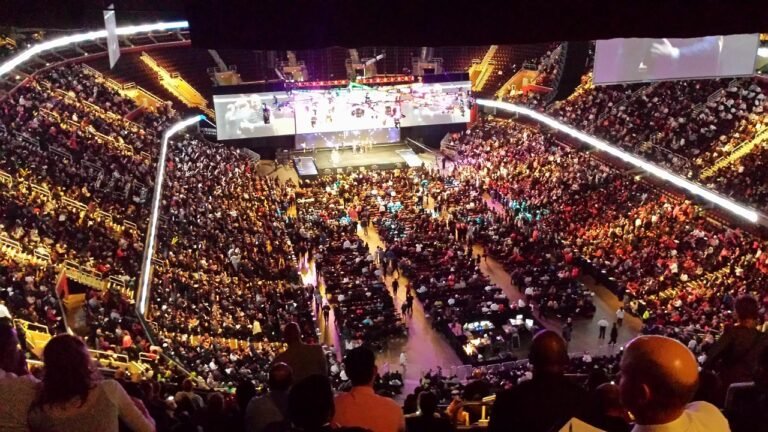
Illuminated entertainment venue and crowds during a Riyadh evening event

Airport transfers during peak event weeks

King Khalid International Airport sees a genuine uplift in arrivals during the busiest weeks of Riyadh Season, particularly around headline concert dates and public holidays that overlap with the programme. Passport control queues, baggage reclaim and the arrivals hall can all take longer than usual, and taxi ranks that are quick to clear on a normal day can back up when several flights land in close succession. A pre-booked transfer removes one variable from an already busier arrivals process, since your driver is allocated to your flight rather than to whichever passenger reaches the rank first. Check current arrival procedures and any operational notices for King Khalid International Airport on gaca.gov.sa before you fly, particularly if your trip falls during a known peak week.

If your event falls on the evening you land, build in a buffer between your scheduled arrival and any planned event start time. Flight delays are more disruptive to an evening itinerary than to a daytime one, since there is less slack left before doors open.

Getting to and from venues on event nights

Venue access on event nights typically differs from a normal city journey in three ways: designated drop-off and pick-up zones rather than the venue entrance itself, road closures or one-way systems around the site during peak hours, and a sharp surge in demand for vehicles as a show ends and a large crowd tries to leave at once. Anyone who has left a large concert or stadium anywhere in the world will recognise the pattern, and Riyadh’s major venues are no exception during a busy Riyadh Season weekend.

  • Agree a specific pick-up point and time with your driver in advance rather than expecting to hail a vehicle at the exit.
  • Build in extra time after the show ends before you expect to be moving, since the first twenty to thirty minutes after doors open are usually the busiest for vehicle demand.
  • If you are travelling as a group, agree a single meeting point rather than everyone trying to book separately from a crowded pick-up zone.

Family visits and domestic travel during the season

Riyadh Season also draws a large number of domestic visitors, including Saudi and wider GCC families travelling in from other cities for a weekend of entertainment. This adds a different kind of transport demand alongside the international and business traveller flow, since family groups tend to need larger vehicles, later evening pick-ups from family zones, and journeys that start and end at a hotel rather than a single point-to-point transfer. If you are travelling with children, it is worth booking a vehicle sized correctly for the group from the outset rather than expecting to split into two cars at the venue, particularly on a night when demand for any vehicle is already high.

Domestic residents driving in from nearby cities for a single event sometimes prefer to leave the car at home and book transport for the evening instead, avoiding the combination of event traffic and parking pressure around a popular venue. For a one-off night out this is often simpler than navigating temporary road layouts in an unfamiliar part of the city.

Planning multi-event itineraries and avoiding peak-season delays

Some visitors build an entire trip around Riyadh Season, attending several events across a few days rather than a single show. This changes the transport planning question from “how do I get to one venue” to “how do I move efficiently between a hotel, several different event sites, and the airport, on a schedule that may change at short notice if an event time shifts.” A fixed-price arrangement booked in advance for the whole stay, rather than arranging each journey separately as it comes up, tends to work better for this kind of itinerary because it removes the need to negotiate or search for transport in the middle of a busy evening.

It also helps to map out your itinerary before you arrive rather than during the trip itself. Note which nights involve an event and which are free, decide roughly what time you expect to leave each venue, and share that outline with your transport provider so vehicles can be allocated against a plan rather than requested one journey at a time. Visitors who leave this until the day of an event often find that the options remaining are more limited and less convenient than the ones available a week earlier.

Business travellers who combine daytime meetings with an evening event face a similar planning challenge to conference delegates managing a packed schedule: the vehicle needs to be available at a specific time regardless of how the rest of the day has gone, which is exactly the kind of booking that benefits from being arranged ahead of the trip rather than on the day.

Business traveller checking a phone while waiting for a pre-booked vehicle at night

A handful of habits make a real difference during peak weeks. First, book your transport for event nights as soon as your dates are confirmed rather than waiting until you arrive, since availability tightens closer to well-known headline dates. Second, share your flight number and hotel details with your transport provider so that arrival delays or last-minute changes can be accounted for. Third, treat the return journey from a venue as its own booking rather than an afterthought, since this is usually the busiest and least predictable leg of the evening. Finally, keep a note of your driver or booking reference on your phone, since venue Wi-Fi and mobile signal can be patchy in a large crowd.

Visitors travelling to Saudi Arabia for the first time should also confirm entry requirements before booking anything else. UK nationals can check current guidance at gov.uk’s foreign travel advice for Saudi Arabia, and US travellers can check the equivalent advisory at travel.state.gov. General information on major events and seasonal programming is published on visitsaudi.com, the Saudi Tourism Authority’s official site, and is worth checking alongside your event tickets so your transport plan matches the actual schedule rather than an assumed one.

Frequently asked questions

Q: How far in advance should I book transport for a Riyadh Season event? A: As soon as your event date and hotel are confirmed. Headline concert nights and weekend dates fill up fastest, so booking a week or more ahead gives you more flexibility on pick-up times.

Q: Will road closures near event venues affect my journey time? A: Yes, temporary closures and diverted drop-off points are common around major venues on event nights. Build extra time into your journey and agree a specific pick-up point with your driver rather than expecting to reach the main entrance directly.

Q: Is it harder to get a taxi from the airport during peak Riyadh Season weeks? A: Arrivals can be busier during headline event periods, which increases pressure on airport taxi ranks. A pre-booked transfer tied to your flight number avoids waiting in a queue that has built up behind several arriving flights.

Q: Can I book one vehicle for several events across a multi-day trip? A: Yes, many visitors attending multiple events prefer a single fixed-price arrangement covering the whole stay rather than booking each journey separately, particularly when schedules may shift at short notice.

Q: What is the busiest time for transport around a venue? A: The period immediately after an event ends is typically the busiest, when a large number of attendees are all trying to leave at once. Arriving early is rarely the issue; it is the return journey that needs the most planning.

Q: Where can I check what is happening during Riyadh Season before I travel? A: General event and seasonal tourism information is published on visitsaudi.com, the Saudi Tourism Authority’s official site, which is a useful starting point alongside your event tickets when you are planning transport around specific dates.


If you would like a fixed-price quote tailored to your itinerary, Saudi Cab Co can arrange the right vehicle for your trip in advance. Get in touch before you travel and we will match your booking to exactly what you need.

Summer Domestic Tourism Season: Getting Around During Peak Local Travel

A different kind of travel season

Summer in Saudi Arabia is peak domestic tourism season in one specific way: it is when large numbers of Saudi and resident families head for the cooler highlands, particularly the Asir region around Abha, to escape the intense heat of the lowland cities. This is a different pattern to Ramadan or Eid travel, and it puts pressure on a different set of routes and destinations. Anyone planning to get around during this period, whether visiting the highlands or staying in the cities, benefits from understanding how the season shifts demand.

Green Mountain near Abha, popular with domestic travellers escaping summer heat

Where domestic summer travel concentrates

The Asir highlands

Abha and the surrounding Aseer region sit at a significantly higher elevation than the coastal and central cities, which brings noticeably cooler temperatures through the summer months. This makes it the single most popular domestic escape for families and residents based in Riyadh, Jeddah, and the Eastern Province during the hottest part of the year, and demand for both accommodation and transport rises accordingly.

Taif and the western highlands

Taif, reached from Jeddah via the mountain road, sees a similar seasonal pattern on a smaller scale, offering a cooler alternative within a shorter drive of the coastal cities for those not travelling as far as Asir.

What this means for transport

Higher demand on highland routes

The road routes into Abha and the wider Asir region see a noticeable increase in both private and hired vehicle traffic through the summer. Travellers planning a highland trip during peak weeks should expect busier roads than at other times of year, and should book transport, particularly larger vehicles for families, well ahead of travel rather than assuming availability on short notice.

Accommodation pressure pushes people further out

As hotels in central Abha fill up during peak weeks, some visitors end up staying in outlying towns and need reliable transport to reach the main sights and viewpoints each day. Confirming a transport plan for the full stay, not just the arrival journey, avoids being caught without options once accommodation choices are more limited.

Lowland desert landscape, in contrast to the cooler Asir highlands in summer

Getting around the highlands once you arrive

Asir’s roads include genuine mountain driving: gradient, switchbacks, and occasional fog on the escarpment. This is worth planning for specifically, both in the vehicle chosen and the driver’s familiarity with the route. A vehicle suited to flat highway driving is not automatically the right choice for a highland touring itinerary, and it is worth confirming with your transport provider that the vehicle and driver are appropriate for mountain roads before departure.

A practical approach for summer highland trips

  • Book transport for the full stay, including day trips to viewpoints and natural sites, not just the arrival transfer
  • Choose a vehicle suited to mountain roads if the itinerary includes any significant gradient or switchback driving
  • Allow extra time for journeys during the busiest weeks of the season, when local traffic is at its heaviest
  • Confirm accommodation and transport together, since the two are closely linked during peak demand periods

Staying in the lowland cities during summer

For visitors and residents who stay in Riyadh, Jeddah, or the Eastern Province through the summer rather than heading to the highlands, the main practical consideration is the heat itself rather than transport availability. Pre-booked, air-conditioned private transport is generally the more comfortable option during the hottest months, reducing time spent outdoors waiting for a ride compared with hailing transport on the street.

Timing your booking against the season

As a practical rule, transport and accommodation for a summer highland trip should be confirmed several weeks ahead of the peak school holiday weeks rather than closer to travel, since this is when both fill fastest. Travellers with flexible dates who can visit just before or just after the very peak weeks often find noticeably better availability, at similar temperatures, without the heaviest crowding on the roads and at the main viewpoints.

Why summer specifically drives this pattern

The heat difference between the lowland cities and the Asir highlands during summer is significant enough to genuinely shape travel decisions, not just a minor comfort preference. This elevation-driven temperature gap is the entire reason summer domestic tourism concentrates so heavily on this particular region rather than spreading evenly across the country, and it is worth keeping this underlying driver in mind when planning, since it explains why the highlands specifically, rather than Saudi Arabia’s domestic tourism destinations generally, see this particular seasonal surge.

Alternatives to the busiest highland towns

Visitors who find Abha itself fully booked during the peak weeks of summer sometimes overlook nearby towns across the wider Aseer region that offer similar cooler weather with less pressure on accommodation and roads. Exploring transport options to these smaller towns, rather than assuming Abha is the only viable base, can make a summer highland trip considerably easier to plan at short notice, provided transport is arranged with a provider who knows the wider region rather than only the main city itself.

Booking accommodation and transport as a package

Because summer highland demand concentrates so heavily on Abha and the surrounding towns, the smartest approach for a family or group trip is to treat accommodation and transport as a single planning decision rather than two separate bookings. Confirming a transport provider who already knows your accommodation location and the length of your stay allows day trips to be planned properly in advance, rather than arranged each morning once you have already arrived and discovered how limited last minute options can be during the peak weeks.

Weekday versus weekend travel patterns

Within the summer season itself, demand is not evenly spread. Weekends and the days immediately around them see the heaviest road traffic into and around the highlands, as visitors from the lowland cities travel up for short breaks. Travelling on a weekday, where work and school schedules allow, generally means quieter roads, more accommodation choice, and less pressure on transport availability than a weekend departure during the same season.

Families travelling with children

Summer highland trips are frequently family holidays, often coinciding with school breaks, and this brings its own transport considerations. A larger vehicle with proper luggage space for a family’s full holiday load, rather than a compact vehicle sized for the passenger count alone, tends to make the trip noticeably more comfortable, particularly across the longer driving stretches into the highlands. It is also worth confirming with your transport provider whether child seats are available if needed, rather than assuming this as a given, since not every vehicle in a general fleet carries one as standard.

Comparing summer demand with other busy seasons

Saudi Arabia’s domestic travel calendar has more than one peak period, and it helps to understand how summer compares. Ramadan and Eid travel tends to concentrate around specific religious and family observances, with sharp, short spikes in demand around the holidays themselves. Summer domestic tourism is different: it is a sustained peak across several weeks, driven by school holidays and the search for cooler weather, rather than a single short spike. This means summer highland demand, while intense, is also more predictable and easier to plan around well in advance, since the driving factor, the timing of school holidays and the summer heat, is known months ahead rather than shifting each year in the way religious holiday dates do.

Related guides

Checked sources

Formula 1 and Major Motorsport Events in Saudi Arabia: Transport Planning

Motorsport weekends bring a very specific transport challenge

Saudi Arabia has become a fixture on the international motorsport calendar, with Jeddah’s Corniche waterfront serving as the venue for the country’s Formula 1 race weekend, alongside other motorsport and motorcycling events held around the country through the year. For visitors and residents alike, race weekends bring a short, intense spike in transport demand that looks nothing like a normal weekend in the city, and it pays to plan around it rather than assume normal service will apply.

Exact dates for motorsport events change from year to year and are set by the relevant championship organisers, so travellers should always confirm the current calendar before booking flights or accommodation. This guide focuses on the transport planning that applies regardless of the exact date on the calendar.

Jeddah seafront by day, the area affected by race weekend road closures

Why race weekends are different from normal travel

A street circuit built around a section of Jeddah’s Corniche means road closures across a meaningful part of the city for the days around the event, not just during the sessions themselves. Roads that are normally quick routes between hotels, the airport, and the city centre can be closed, diverted, or heavily congested, and this affects journeys that have nothing to do with the circuit itself.

What typically changes during a race weekend

  • Road closures around the Corniche circuit area, often starting days before the race itself
  • Significantly higher demand for airport transfers, concentrated around the practice, qualifying, and race days
  • Hotel occupancy at or near capacity across Jeddah, which pushes some visitors into accommodation further from the circuit
  • Longer than usual journey times across the city generally, even away from the circuit itself

Booking transport around the event

Airport transfers

Jeddah’s airport sees a sharp rise in arrivals in the days leading up to a major race weekend. Pre-booking an airport transfer well ahead of the event, with a fixed pickup time and a driver briefed on likely road closures, avoids the scramble of trying to arrange transport on arrival when demand is at its peak.

Getting to and from the circuit

Because the circuit itself sits within a closed road zone during sessions, transport to the venue typically means being dropped at a point outside the closure and walking the final stretch, rather than being driven directly to the gate. Confirming the nearest practical drop-off point with your transport provider ahead of race day saves confusion when roads are at their busiest.

Another view of Jeddah Corniche, the waterfront district hosting the Grand Prix

Moving around the city during the event

For visitors not attending the race itself but staying in Jeddah during the weekend, it is worth checking which routes are affected before planning any city trips, and building in extra time for any journey that might cross or run near the closure zone. A driver familiar with the current closure map will usually be able to suggest a workable alternative route rather than getting caught in it.

Booking ahead, not on the day

The single most useful piece of advice for race weekend transport is simple: book early. Vehicles, and particularly larger vehicles for groups, are booked out well ahead of the event by fans, teams, and corporate hospitality groups. Waiting until race week to arrange transport often means settling for whatever is left, at a higher price and with less certainty around timing.

A short planning checklist for race weekend visitors

  • Confirm the current event dates directly with the circuit or championship organiser before booking flights
  • Book airport transfers as soon as travel dates are confirmed, not closer to the event
  • Ask your transport provider about likely road closures for the specific days you are travelling
  • Build extra time into any journey during the event weekend, even for routes that seem unrelated to the circuit

Motorsport weekends are one of the busiest periods of the year for ground transport in Jeddah, and a little advance planning goes a long way toward making sure the journey to and from the action is as smooth as the racing itself.

What visitors underestimate most about race weekends

The most commonly underestimated factor for first time visitors to a Saudi Arabian race weekend is simply how much a temporary street circuit reshapes a city’s normal traffic pattern, well beyond the footprint of the track itself. Routes that are a normal part of daily city driving can become significantly longer detours during the event, and this affects hotel guests, restaurant bookings, and ordinary business trips happening in the city that have nothing to do with the race. Building this into travel planning for the whole weekend, not just for the specific days you plan to attend the circuit, avoids unpleasant surprises for the rest of the stay.

Booking accommodation and transport together

Because hotel availability in Jeddah tightens considerably during a major race weekend, some visitors end up staying further from the circuit than they originally planned, in areas of the city with less direct access. When this happens, it is worth confirming transport for the full stay at the same time as accommodation, rather than booking a hotel first and only thinking about transport once the closure zones are already published. A transport provider who knows your hotel location and the event dates in advance can plan realistic pickup times around the closures, rather than guessing on the day.

Beyond Formula 1: other motorsport events

Formula 1 is the highest profile motorsport event on Saudi Arabia’s calendar, but it is not the only one. Motorcycling and other racing events are held in Saudi Arabia through the year, and while they typically draw smaller crowds than a Formula 1 weekend, the same underlying advice applies: confirm the event dates and venue directly with the organiser, expect local road and transport disruption around the venue, and book transport well ahead of the event rather than waiting until the week itself.

For fans travelling as part of a group

Groups of fans travelling together for a race weekend benefit from the same group transport principles that apply to any large touring party: confirm capacity in advance, coordinate a single pickup point rather than several scattered ones across a large hotel, and agree a return collection time that accounts for the crowd leaving the circuit at the same time as everyone else. Race weekend crowd dispersal after the chequered flag is itself a significant local transport event, and a pre-booked, pre-agreed return pickup avoids being one more group trying to hail transport in a crowd of thousands doing exactly the same thing at the same moment.

Business and hospitality travel around race weekends

Formula 1 weekends in Saudi Arabia also draw significant corporate hospitality and business delegation traffic, separate from general ticket-holding fans. For this kind of trip, transport planning usually needs to account for a fixed schedule tied to hospitality suite access times, which are less flexible than a general admission ticket. Confirming pickup and drop-off times against the specific hospitality schedule, rather than a general estimate of when the sessions start, avoids the particular stress of a delegation missing a fixed access window because the transport plan was built around the wrong timing.

Related guides

Checked sources

Riyadh Season: Getting Around the Festival Venues

Reviewed planning guidance. Details can change; use the linked official sources and get a live quote for current pricing and availability.

Riyadh Season has grown into one of the biggest annual events on Saudi Arabia’s calendar, drawing domestic and international visitors to a sprawling programme of entertainment zones across the capital. Boulevard World, Boulevard Riyadh City, Winter Wonderland and the wider festival sites are spread across different parts of the city rather than one central venue, which makes transport planning genuinely part of getting the most out of a visit. This guide covers how to think about getting to and between Riyadh Season’s zones without losing an evening to traffic and parking.

Riyadh Season is several venues, not one

Unlike a single-site festival, Riyadh Season spans multiple distinct zones across the city, each with its own entrance, parking situation and crowd levels, and the specific line-up of zones and their locations can change from one season to the next. Before you travel, check current zone locations and opening dates on visitsaudi.com or the season’s own official channels, since assuming a previous year’s map still applies is a common way to end up at the wrong entrance.

This matters for transport because a taxi or driver needs the specific zone name and entrance, not just “Riyadh Season” as a destination, in much the same way that a major international festival has multiple gates that are not interchangeable.

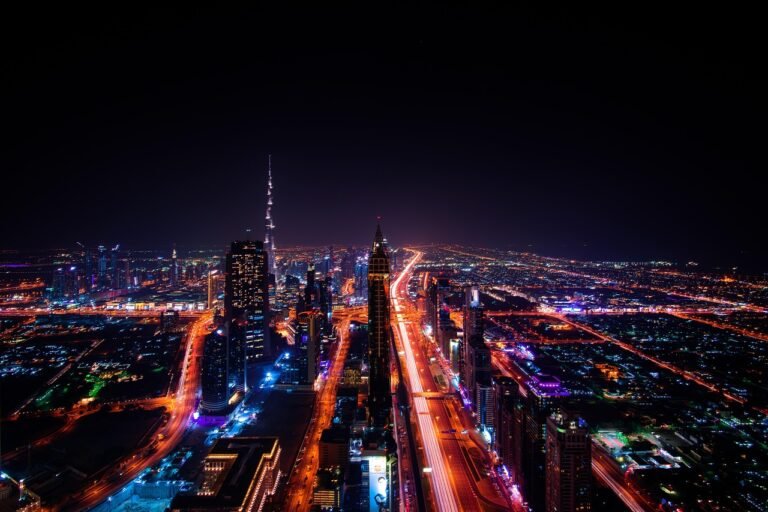
Riyadh city skyline illuminated at night

Why traffic and parking are the real planning challenge

Riyadh Season draws very large evening crowds to its most popular zones, particularly at weekends and around headline events, and the roads and car parks around those zones can become genuinely congested well before and after the peak entertainment hours. Visitors who drive themselves often find that the parking search, rather than the journey itself, is what eats into the evening, and self-parking during a peak Riyadh Season night is rarely the smooth experience the festival programme itself promises.

A pre-booked drop-off and collection avoids the parking search entirely: your driver can set down at the entrance, and a return pickup arranged for a rough finishing time removes the need to walk back to a car parked some distance away once a long evening is over. This is broadly the same logic that applies to major event transport planning generally, applied specifically to Riyadh’s biggest recurring entertainment season.

Planning transport for a group or family visit

Riyadh Season attracts family groups and larger parties as much as couples or solo visitors, and coordinating a group’s arrival and departure at a crowded entertainment zone is considerably easier with one pre-arranged vehicle than several people separately trying to find parking or hail a ride amid the crowds. A vehicle sized for your full group, booked in advance for both the arrival and the return leg, removes a layer of coordination that can otherwise eat into the time you actually spend enjoying the zones themselves.

Colourful fireworks display over a city at night

Visiting Riyadh Season as a business or international traveller

Riyadh Season has become a genuine draw for international visitors, including business travellers extending a work trip to take in an evening’s entertainment. For a visitor unfamiliar with the city’s layout, the combination of an unfamiliar destination, heavy seasonal traffic, and the specific-entrance issue described above makes a pre-booked, English-speaking driver a particularly practical choice, removing three sources of uncertainty at once rather than one.

If your Riyadh Season evening is part of a longer business trip, our guide to multi-day executive itineraries covers how to fold an evening like this into a wider schedule without it disrupting the working days either side.

Practical tips for a smoother Riyadh Season visit

  • Confirm the specific zone name and entrance for your event, not just “Riyadh Season” as a general destination.
  • Book both your arrival and your return journey in advance, particularly for weekend evenings when demand for rides near the zones peaks.
  • Build extra time into your journey during peak evening hours, since traffic around the busiest zones can be heavier than a typical Riyadh commute.
  • For a family or group visit, one vehicle booked for the full party removes the coordination problem of everyone finding their own way home.

Ticketing, timing and what to expect at the gate

Most Riyadh Season zones operate on a ticketed entry basis, with tickets generally available online in advance as well as at the gate, though popular headline events can sell out ahead of time. Buying tickets in advance where possible, and confirming your entry time slot if the zone uses timed entry, removes one more variable from an evening that already involves crowds and traffic. Security screening at the busier zones can also add time at the entrance itself, so arriving with a comfortable buffer before your planned entry time, rather than right at a ticketed slot, is generally the more relaxed approach.

Staying overnight versus a single evening visit

Visitors travelling to Riyadh specifically for the season, rather than combining it with an existing trip, often base themselves in the city for several nights and visit multiple zones across their stay rather than trying to fit everything into one evening. If your visit spans several nights, booking transport zone by zone as you go, rather than committing to a single fixed schedule in advance, generally gives more flexibility to respond to which zones turn out to be the highlights of that particular season. A driver you can call on again for a second or third evening, rather than booking through a different provider each time, also tends to make repeat visits smoother once they know your preferences.

Frequently asked questions

Is Riyadh Season held at one central venue?
No. It spans multiple zones across the city, each with its own entrance and parking situation. Confirm the specific zone before you travel.

Is traffic really a significant issue around Riyadh Season events?
Yes, particularly at weekends and around headline events. Peak evening traffic and parking around the busiest zones can be considerably heavier than a typical night in the city.

Is it worth pre-booking a return journey as well as arrival?
Generally yes, especially at weekends, since demand for rides near the zones can be high once events finish for the evening.

Can I book one vehicle for a family or group visit?
Yes, and it is generally the more practical option than coordinating separate transport for each member of a larger party.

Where can I check current Riyadh Season zone locations and dates?
Check visitsaudi.com or the season’s own official channels, since zones and dates can change from one year to the next.

Checked sources

Official information for your planning

Event zones, dates and access arrangements can change from one season to the next. These official sources are provided so you can check the current position before you travel. Checked 2026-07-25.


Book your Riyadh Season arrival and return with Saudi Cab Co and skip the parking search for a fixed price agreed before you travel.

Saudi Founding Day and National Day: Planning Transport Around Holidays

Reviewed planning guidance. This article offers general planning guidance around Saudi Founding Day and National Day; travellers should verify current dates, road closures, and event details with official sources close to the time of travel.

Saudi Founding Day in February and National Day in September are two of the most visible public celebrations in the Kingdom’s calendar, marked by concerts, fireworks, flag displays, and citywide events in Riyadh, Jeddah, and beyond. For business travellers, tourists, and residents alike, these dates bring noticeably heavier traffic, temporary road closures around event zones, and a spike in demand for hotels and transport. This guide explains what changes around these two holidays and how to plan ground transport so a celebration does not turn into a missed flight or a stranded evening.

What Founding Day and National Day actually involve

Founding Day, observed on 22 February, marks the founding of the first Saudi state, while National Day, on 23 September, marks the unification of the modern Kingdom. Both are official public holidays with organised events, and both have grown considerably in scale over recent years, with city centres, waterfronts, and purpose-built event districts hosting concerts, cultural displays, and fireworks. Exact event locations, road closures, and programming vary year to year, so anyone travelling around these dates should check the latest details through the Saudi Tourism Authority’s official channels closer to the date rather than relying on the previous year’s schedule.

Both holidays typically extend into a short break for residents and government offices, which compounds the transport impact: it is not just event-night traffic, but a broader wave of domestic travel as people take advantage of the days off to visit family or take short trips.

The scale of the surrounding programme has also grown, with many cities now running events across several consecutive evenings rather than a single night. This means the transport impact is rarely confined to the calendar date itself. A visitor arriving two or three days either side of 22 February or 23 September can still encounter road closures, busier hotels, and higher demand for vehicles, particularly in Riyadh and Jeddah where the flagship events tend to be concentrated.

Founding Day is a comparatively newer addition to the public holiday calendar than National Day, and its associated events have expanded quickly year on year as cities build out permanent event infrastructure for these dates. This means the pattern of road closures and event footprints has shifted noticeably even over the last few editions, so returning visitors who experienced a previous Founding Day should not assume the layout, timing, or scale will be the same on their next visit. National Day, by contrast, has a longer established pattern, though it too continues to grow, with some cities adding new event zones or extending celebrations into a multi-day programme rather than a single evening.

How the celebrations affect road traffic

The most immediate impact for anyone booking ground transport is road access around event venues. Major celebration sites in Riyadh and Jeddah, in particular, often see temporary closures or heavily restricted access on the days immediately around the holiday, with designated drop-off points replacing normal kerbside access. Even outside the closure zones, general traffic density rises sharply in the evenings as residents head toward event areas, and this can add significant time to journeys that would otherwise be routine, including airport transfers that do not go anywhere near the celebrations themselves.

  • Expect city-centre routes near major venues to be slower or closed from late afternoon through late evening on the holiday itself.
  • Airport transfer times can lengthen even on unrelated routes, simply because of the general increase in traffic volume across the city.
  • Fireworks displays in particular tend to draw large numbers of spectators to waterfront and open-space areas, with knock-on congestion on approach roads for an hour or more afterward.
  • Some events involve advance road diversions announced only a day or two ahead, so checking for updates the day before travel is worthwhile if a journey passes near a known event zone.
  • Parking around event districts is typically suspended or heavily restricted, which pushes more people toward taxis and ride bookings and adds further pressure on kerbside pickup points.
Saudi Arabian flag displayed during a national public holiday celebration in a city square

Hotel and transport demand spikes

Both holidays are peak domestic travel periods. Families take advantage of the days off to visit relatives in other cities, tourists plan trips specifically around the celebrations, and hotel occupancy in event-hosting cities rises noticeably in the days surrounding both dates. This demand spike affects ground transport in two ways: vehicles are booked up further in advance than usual, and prices on unbooked, on-demand services tend to rise with demand, particularly for larger vehicles and premium options.

Business travellers scheduling meetings close to either holiday should also account for the fact that many local businesses and government offices reduce hours or close entirely around the public holiday itself, which can affect not just transport availability but the practicality of the trip more broadly.

Airport-adjacent hotels in particular tend to fill quickly around these dates, since some travellers deliberately choose to stay near the airport rather than commute into event traffic. This shifts pressure onto exactly the routes that transfer bookings rely on, so travellers with early departures the morning after a major celebration should treat that leg with the same caution as the arrival itself.

Vehicle rental and taxi fleets also feel the squeeze during this period, since the same drivers and cars that would normally serve routine airport transfers and city journeys are drawn toward event-related bookings, longer waiting times, and premium fares. Business travellers who need a reliable vehicle for a scheduled meeting on the holiday itself, rather than for the celebrations, are often the ones caught out by this shift in supply, simply because they had not expected an ordinary weekday booking to be affected by a public holiday elsewhere in the city.

Why booking ahead matters around these dates

Fixed-price, pre-booked transport is particularly valuable around Founding Day and National Day for a simple reason: on-demand pricing tends to rise exactly when demand peaks, and vehicle availability tightens fastest in the 48 hours before a major event. A transfer booked a week in advance at a fixed rate avoids both problems, and it also means the booking can be planned around known road closures rather than discovered on the night.

  • Book airport transfers around either holiday at least a week in advance where possible, and earlier for larger vehicles.
  • If travelling to or through a city hosting major celebrations, build extra time into any airport transfer scheduled for the evening of the holiday itself.
  • For business travellers with fixed meeting times close to the holiday, confirm the meeting is proceeding as planned, since some organisations shift schedules around the public holiday.
  • Ask your transport provider directly whether they are aware of any road closures affecting your specific route on the day, since local operators typically track this more closely than generic city-wide traffic apps.
  • If your itinerary is flexible, consider scheduling transfers either well before the evening rush or after the main crowds have dispersed, since the middle of the celebration window is when congestion peaks hardest.
  • Where possible, avoid scheduling a same-day connecting journey, such as an intercity transfer immediately followed by an airport pickup, on the holiday itself, since a delay on one leg is harder to absorb when both legs are affected by the same event traffic.

Planning a trip specifically around the celebrations

For tourists and residents who want to experience Founding Day or National Day events rather than avoid them, a little transport planning goes a long way. Pre-booking a vehicle for the evening, with a driver briefed on the likely road closures and an agreed pickup point away from the densest crowds, tends to work far better than trying to hail transport near a packed event zone once celebrations are underway.

  • Agree a specific pickup point in advance rather than assuming a vehicle can reach you directly outside the event area.
  • Build in extra time for the return journey, since post-event traffic dispersal can take considerably longer than the outbound trip.
  • If travelling with children or older relatives, consider timing the return before the main fireworks crowd disperses, to avoid the heaviest congestion.
  • Keep a phone charged and reachable throughout the evening, since a driver arranging a pickup point away from a packed venue will often need to coordinate the exact meeting spot by phone rather than relying on a fixed map location.
City street decorated with lights and flags ahead of a Saudi national celebration

Frequently asked questions

Q: When are Founding Day and National Day in Saudi Arabia? A: Founding Day is observed on 22 February and National Day on 23 September; both are official public holidays with organised celebrations in major cities, though specific event programming should be checked closer to the date via official tourism sources.

Q: Will roads be closed near my hotel during these holidays? A: Only if your hotel is close to a major event venue; general road closures are usually limited to the immediate vicinity of celebration sites, though wider traffic congestion is common across the city on the day itself.

Q: How much earlier should I book an airport transfer around these dates? A: Booking at least a week in advance is a reasonable guideline, and earlier for larger vehicles or if your travel falls on the holiday evening itself when event traffic peaks.

Q: Do businesses and government offices close on Founding Day and National Day? A: Both are official public holidays, so most government offices and many businesses close or reduce hours; travellers with business meetings scheduled close to either date should confirm plans are unaffected.

Q: Is it worth attending the fireworks and events as a visitor? A: Many visitors find the celebrations a highlight of their trip, but planning transport in advance, including a clear pickup point and extra time for the return journey, makes the experience considerably smoother.

Q: Does National Day affect flights and airport operations? A: Airports generally continue normal operations, but ground traffic to and from airports can be heavier than usual on the holiday itself, so allowing extra transfer time is sensible, particularly for early morning departures the day after a major evening event.


Planning to travel around Founding Day or National Day? Saudi Cab Co offers fixed-price bookings that can be locked in well ahead of the holiday rush, with drivers briefed on local road closures and event timing. Get a quote now to avoid the last-minute price and availability squeeze that typically hits these dates.

Ramadan and Eid Travel: Planning Transport Around Saudi Arabia’s Busiest Seasons

Reviewed planning guidance. Details can change; use the linked official sources and get a live quote for current pricing and availability.

Ramadan and the Eid holidays that follow it reshape daily life across Saudi Arabia for several weeks a year, and that includes how people move around the country. Business hours shift, family travel spikes around the two Eid holidays, and demand for transport, both domestic flights and road transfers, rises well above its usual level. None of this needs to disrupt a well-planned trip. It just means booking further ahead and building a little more flexibility into the schedule than you would the rest of the year.

How Ramadan changes the working day

During Ramadan, many businesses and government offices in Saudi Arabia move to shortened working hours, and the daily rhythm shifts noticeably: quieter mornings, a slower midday, and a burst of activity after sunset once the fast is broken. For business travellers, this means meeting schedules are often more compressed than usual, with less flexibility around midday and a genuine expectation that plans wrap up before iftar. Confirm working hours directly with the organisation you’re visiting rather than assuming a standard schedule, since shortened hours vary by sector and by year.

Restaurants and cafes that are open to the public during daylight hours are more limited during Ramadan, and eating or drinking in public during fasting hours is generally not appropriate. This matters for transport planning too: a driver collecting you for an early afternoon meeting during Ramadan is working through a very different day to one collecting you at the same hour in August, and booking with a company that understands the seasonal rhythm makes for a smoother experience on both sides.

The final hour or so before sunset is worth factoring into any schedule during Ramadan. As iftar approaches, roads in major cities can get noticeably busier as people head home to break the fast together, and some services pause briefly around that time. A meeting or transfer scheduled to run right up against sunset is more likely to run into this than one scheduled earlier in the afternoon or after the evening meal, so it’s worth building a little buffer around that specific window if your itinerary allows it.

Once the fast breaks for the evening, the atmosphere in most Saudi cities shifts noticeably. Restaurants, cafes and shopping areas that were quiet during the day often stay busy well into the night, and plenty of business and social activity that would happen during the day the rest of the year moves into the evening instead. Visitors who adjust their own schedule to match, treating the evening as the active part of the day rather than winding down early, generally get more out of a Ramadan trip.

Eid al-Fitr and Eid al-Adha: the busiest travel windows

The two Eid holidays, marking the end of Ramadan and the Hajj period respectively, are among the busiest domestic travel periods in Saudi Arabia. Families travel to be together, often across multiple cities, and demand for flights, intercity transport and hotel rooms rises sharply in the days immediately before and after each holiday. If your trip overlaps with either Eid period, book transport, accommodation and flights considerably further ahead than you normally would, since availability tightens quickly and prices tend to follow.

Exact dates for Ramadan and both Eid holidays follow the lunar calendar and shift each year, so always confirm current dates through an authoritative source rather than working from the previous year’s calendar. This also affects planning around public holidays more broadly; our guide to planning transport around events in Saudi Arabia covers the same logic of booking ahead of predictable high-demand periods, which applies just as much to Eid as it does to conferences or major events.

Eid al-Fitr and Eid al-Adha behave slightly differently from a travel-planning perspective, even though both drive similar spikes in demand. Eid al-Fitr follows directly on from Ramadan and tends to see a concentrated burst of domestic family travel over a few days. Eid al-Adha falls later in the year, coincides with the Hajj period, and can involve additional travel-pattern considerations around the pilgrimage cities specifically, alongside the same general domestic travel surge. Neither is more or less important to plan around; they simply pull on slightly different parts of the transport network, which is worth knowing if your trip touches Makkah or Madinah during that window.

A family with luggage arriving at a Saudi Arabian airport during a busy holiday period

What this means for visitors, not just residents

SCC’s typical business, MICE and leisure travellers aren’t the primary audience for Ramadan and Eid the way pilgrims are, but plenty of business and leisure trips land squarely in this period anyway, whether by choice or because a conference date or family commitment doesn’t move. If you’re visiting for business, expect compressed meeting windows and confirm your host’s working hours in advance rather than assuming a normal day. If you’re visiting for leisure, expect a genuinely different atmosphere: quieter days, a livelier evening scene once the fast breaks, and some attractions operating on adjusted hours.

Dining out during daylight hours is more limited, and many hotels adjust their restaurant service accordingly, so it’s worth checking with your accommodation directly if meal timing matters to your schedule. None of this makes Ramadan a difficult time to visit Saudi Arabia; it simply rewards a bit more planning than a trip booked for an ordinary week.

Conference and event organisers with dates that fall inside Ramadan or close to either Eid have their own set of adjustments to make, from compressed daily agendas to venue catering schedules built around iftar rather than a standard lunch break. If you’re attending or organising an event during this period, it’s worth confirming the venue’s own seasonal schedule directly rather than assuming standard timings will apply.

Booking transport ahead of the surge

The practical takeaway for transport specifically is straightforward: book earlier than you would the rest of the year. Airport transfers, intercity transport and any pre-booked chauffeur services all see higher demand in the days around both Eid holidays, and last-minute availability that’s easy to find in a quieter month can simply not exist in the days before a major public holiday. This is particularly true for:

  • Airport transfers in the 48 to 72 hours either side of Eid al-Fitr and Eid al-Adha, when domestic flight volumes peak.
  • Intercity transport connecting family members across different Saudi cities for the holiday itself.
  • Business trips scheduled just before Ramadan begins or immediately after Eid ends, when meeting calendars tend to compress into a narrow window.

Our guide to weekend trips from Riyadh is written for a normal week, but the same principle of booking transport before you need it applies with considerably more force during these seasonal peaks.

A pre-booked vehicle waiting outside a hotel entrance during the Eid holiday period

Pricing and availability during peak periods

Fixed-price, pre-booked transport has a particular advantage during Ramadan and Eid: it locks in a price before demand-driven surges take hold. App-based ride-hailing services that rely on dynamic pricing can see fares climb sharply during the busiest hours of a holiday period, precisely when reliable transport matters most. Our comparison of fixed quotes versus metered and app-based fares explains how that pricing model works generally, and it’s worth reading before you travel if your trip falls inside either Eid window.

Planning a trip around the calendar

If you have any flexibility over your travel dates, it’s worth checking where Ramadan and the two Eid holidays fall for the year you’re travelling before you finalise flights. A trip planned for the week immediately after Eid al-Fitr, for instance, may run into a country still working through a holiday travel surge, while a trip planned for the middle of Ramadan, away from either Eid, is often quieter than an ordinary working week. Either can work well for a visit; the key is knowing which one you’re planning for and adjusting your transport bookings accordingly.

Frequently asked questions

Do businesses close completely during Ramadan in Saudi Arabia?
No, but many operate shortened hours, and the daily rhythm shifts significantly around the fasting schedule. Confirm hours directly with any business or office you’re visiting rather than assuming a standard working day.

When do Ramadan and Eid fall each year?
Dates follow the lunar calendar and shift annually, so always check current dates through an authoritative source rather than relying on the previous year’s calendar.

Is it a good time to visit Saudi Arabia for leisure during Ramadan?
Many visitors enjoy it: the atmosphere is distinctive, with quieter days and a livelier evening scene. Dining options during daylight hours are more limited, so plan meal timings accordingly.

Why does transport get harder to book around Eid?
Eid al-Fitr and Eid al-Adha are among the busiest domestic travel periods in the country, as families travel to be together, which pushes up demand for flights, intercity transport and airport transfers.

Should business trips avoid the days immediately before and after Eid?
Where there’s flexibility, it’s worth avoiding those windows, since meeting calendars, hotel availability and transport all compress. If the dates aren’t flexible, book transport and accommodation well ahead.

Does pre-booked transport cost more during Ramadan and Eid?
A fixed-price transfer agreed in advance protects you from the demand-driven price rises that dynamic, app-based pricing can see during the busiest periods, which is one of the main advantages of booking ahead rather than relying on the app on the day.


If your trip falls anywhere near Ramadan or the Eid holidays, book a reliable ride with Saudi Cab Co well ahead of your travel dates and lock in a fixed quote before demand picks up.

Travelling to Saudi Arabia for a major event: transport planning tips

Reviewed planning guidance. Details can change; use the linked official sources and get a live quote for current pricing and availability.

If you’re heading to Saudi Arabia for a big sporting fixture, a concert, a trade show or a business summit, the transport side of the trip deserves more thought than a normal holiday or work visit. Saudi Arabia has become a regular host for large-scale international events over the last few years, part of a wider tourism and infrastructure push under Vision 2030, and that means more visitors landing in the same city on the same weekend, all trying to get from the airport to a hotel and then on to a venue. Getting your transport sorted early, rather than assuming you’ll sort it on arrival, makes a noticeable difference to how smooth the trip feels.

This guide covers what actually changes around event periods, why the usual “book when you land” approach can let you down, and how to think about transport in terms of the venue rather than just the airport. It’s written for the practical questions people ask before a trip like this: when to book, how to plan for a group, and what to do if your schedule is still moving around.

Why transport demand spikes around major events

Saudi Arabia’s cities are large, spread out, and increasingly well connected, but transport capacity in any city is still built around everyday demand, not a single weekend where a stadium, arena or exhibition centre pulls in tens of thousands of extra people at once. When a major event lands in Riyadh, Jeddah or another host city, several things happen together:

  • Airport arrivals cluster heavily in a narrow window either side of the event, rather than spreading evenly across the week.
  • Hotels near the venue fill first, pushing many visitors into accommodation further out, which means longer and more variable journeys on event day.
  • Local ride-hailing apps see a surge in requests at the same time as everyone else is trying to book, which drives up wait times and surge pricing.
  • Road closures and temporary traffic management around the venue change the usual routes, sometimes with little public notice until close to the date.
  • Airport taxi ranks and pre-booked pickup zones get busier than usual, especially on arrival and departure days that overlap with the event schedule.

None of this is unique to Saudi Arabia. It’s the same pattern you’d see around a major event in any city with rapid tourism growth. But because a lot of Saudi Arabia’s event infrastructure and hosting experience is still relatively new, the systems for managing that surge, additional shuttle routes, temporary drop-off points, extended public transport hours, are still maturing city by city. That’s part of why pre-arranged transport tends to be more reliable than assuming you’ll pick something up on the day.

Why booking well in advance matters more than usual

For a normal trip, booking an airport transfer a few days ahead is usually plenty. Around a major event, that window shrinks fast, for a few reasons.

Vehicles get committed early. Event organisers, hotels and corporate groups often block-book transport weeks or months out, particularly for anything above a standard saloon car, minivans, larger vehicles for groups, or premium vehicles for VIP or delegate travel. By the time an individual traveller starts looking a week before the event, the pool of readily available vehicles in the right category has already thinned out.

Prices move with demand. Ride-hailing apps use dynamic pricing, so fares during an event weekend can be considerably higher than normal, and can spike further right around the event’s start and end times when everyone is trying to leave or arrive at once. A fixed-price booking made ahead of time avoids that variability entirely, you know the cost before you travel.

Your flight and hotel details firm up late, but transport shouldn’t wait for that. It’s tempting to hold off booking transport until every other detail of the trip is locked in. In practice, it works better the other way round: book transport based on your best current estimate of arrival time and venue, and update the booking once your flight or hotel is confirmed. Most transport providers, including Saudi Cab Co, allow amendments to pickup times and locations after booking, which removes the need to wait.

Event-specific advice changes close to the date. Details on official transport arrangements, shuttle services, road closures or recommended arrival times are usually published by the event organiser closer to the date, and sometimes only in the final week or two. That’s a good reason to book your baseline transport (airport to hotel, hotel to venue) early and independently, then layer in any event-specific shuttle information as it becomes available, rather than waiting for the organiser’s guidance before booking anything.

As a general rule of thumb: if you know your event dates, book your core transport (arrival transfer, hotel-to-venue journeys, departure transfer) as soon as your flights are booked, not once you land. For anything unusual, a large group, a vehicle with specific features, transport that needs to run very early or very late, book even earlier, since that’s exactly the kind of request that runs out of availability first.

An event venue, representative of the transport planning needed for major events (wider view)

Plan around the venue, not just the airport

A common mistake is to treat “transport planning” as a single task, the airport transfer, and then improvise everything else once you’re in the country. For an event trip, the more useful way to think about it is journey by journey, because each leg has different constraints.

Airport to hotel

This is the leg most people plan for, and it’s usually the most predictable, arrival times are known from your flight, and the route is a standard one the driver will have done many times. The main thing to get right is choosing a hotel with a realistic journey time to both the airport and the venue, not just one or the other. A hotel that’s convenient for the airport but an hour from the venue on event day, when roads are busier than usual, can undo any time you saved on arrival.

Hotel to venue on event day

This is the leg that actually needs the most planning, and it’s the one people most often leave until the last minute. Consider:

  • How far the venue is from where you’re staying, and what the journey looks like at the specific time you’ll be travelling, not the journey time Google Maps shows for an ordinary weekday.
  • Whether the venue has designated drop-off and pickup zones, which are often some distance from the entrance itself for large venues, meaning a “10-minute journey” can involve a longer walk at the end.
  • Road closures or diversions near the venue, which may only be confirmed a few days before the event and can add real time to a normally short trip.
  • What time you actually need to arrive, factoring in security screening, bag checks and entry queues, which for major events can take considerably longer than the walk from the car park suggests.

Booking a fixed pickup time from your hotel to the venue, with some buffer built in, is usually more reliable than trying to hail something nearby once traffic and crowds build up.

Venue back to hotel or airport

This is the leg people plan for least, and it’s often the hardest one on the day. When a large event finishes, a huge number of people try to leave the same venue within the same 20 or 30 minutes. Ride-hailing apps in that scenario tend to be at their least reliable: high demand, surge pricing, and drivers who may struggle to reach the exact pickup point because of crowd control. A pre-arranged pickup, ideally at a set time and a known, agreed location, removes most of that uncertainty. If your event finishing time is flexible or unclear in advance, it’s worth discussing options with your transport provider ahead of time, such as a slightly later pickup window or a nearby but less congested meeting point.

Multi-day events

For anything running across several days, a trade show, a multi-day sporting event or conference, it’s usually more efficient to arrange transport as a series of planned journeys rather than booking each one separately as it comes up. This also gives you a consistent point of contact if plans shift, rather than starting from scratch with a new booking each day.

Coordinating transport for a group

Groups travelling together for an event, whether that’s a family, a group of friends, or a company sending several employees to the same conference, have a different set of planning questions than a solo traveller.

Decide whether to travel together or split across vehicles. A single larger vehicle keeps everyone together and simplifies coordination, but it only works if everyone’s flight or schedule actually lines up. If people are arriving on different flights or leaving the venue at different times, it’s often more realistic to book multiple vehicles with staggered pickup times, rather than trying to force one group booking to fit everyone’s schedule.

Agree a single point of contact. For a group booking, it helps enormously to have one person handling the transport arrangements and communicating changes, rather than several people independently trying to adjust pickup times. This matters more around events, where schedules can shift at short notice.

Book the right vehicle size, with some margin. It’s worth checking luggage allowance as well as passenger seats, event trips often involve more luggage than a typical visit (merchandise, equipment, extra clothing for changeable weather), and a vehicle that’s technically rated for your group size can still feel cramped once bags are factored in.

Build in a buffer for the whole group, not just yourself. A group only moves as fast as its slowest member. If you’re coordinating transport for six or eight people, plan pickup and arrival times around the assumption that gathering everyone together, checking out of a hotel, or getting through venue security as a group will take longer than doing it solo.

Confirm the return journey before you need it. It’s easy to arrange the outbound leg carefully and leave the return as an afterthought. For groups especially, agree in advance where and when everyone will meet after the event, since venues can be disorientating when exiting with a large crowd, and mobile signal can be patchy in packed areas.

For corporate groups or delegations, it’s also worth asking whether your transport provider offers a single point of billing and coordination for multiple journeys, which is usually simpler to manage than individual bookings for each traveller.

An event venue, representative of the transport planning needed for major events (close-up detail)

A general checklist for event transport planning

  • Book your core transport (arrival, hotel-to-venue, departure) as soon as your flights and event dates are confirmed, not once you land.
  • Choose accommodation with a realistic journey time to the venue on event day, not just to the airport.
  • Check the event’s official website and visitsaudi.com for any published transport advice or venue access details closer to the date.
  • Build in extra time for the hotel-to-venue leg on event day to account for road closures, security screening and crowds.
  • Arrange a pre-booked pickup for the journey away from the venue after the event, rather than relying on hailing a ride in a crowd.
  • For groups, agree a single coordinator and confirm vehicle size against both passengers and luggage.
  • Keep your transport provider’s contact details to hand in case flight times or event timings shift.

Frequently asked questions

How far in advance should I book transport for a major event in Saudi Arabia?
As soon as your flights are booked, ideally several weeks ahead for a large event, and earlier still if you need a larger vehicle, a group booking, or transport at unusual hours. Availability for the vehicle types in most demand tends to narrow as the event date approaches.

What if my flight times or event schedule change after I’ve booked?
Most transport providers, Saudi Cab Co included, allow you to amend pickup times and locations after booking. It’s worth booking based on your best current information rather than waiting for every detail to be finalised, and then updating the booking once things are confirmed.

Is it better to book transport for each leg of the trip separately, or all at once?
For a short trip with a single event, booking each leg (arrival, venue journeys, departure) individually is usually fine, provided each is booked early. For multi-day events, arranging the full set of journeys with one provider tends to be simpler to manage and gives you a consistent point of contact if plans shift.

Where can I find official information about transport arrangements for a specific event?
Check the event’s own official website first, since organisers typically publish venue access and transport guidance closer to the date. visitsaudi.com is a useful general source for travel planning in Saudi Arabia, and GACA (the General Authority of Civil Aviation) publishes airport-related information. Saudi Cab Co’s own booking team can also advise on realistic journey times and pickup arrangements around a specific venue.

Can I book one vehicle for a large group, or do I need several?
It depends on group size and luggage. Larger vehicles are available for bigger groups, but it’s worth checking both passenger capacity and luggage space rather than passenger numbers alone, since event trips often involve more luggage than usual. If your group’s flights or schedules don’t line up, splitting across two staggered bookings is often more practical than one large booking timed to the least flexible member.

Do I need to arrange transport differently for the journey away from the venue after the event finishes?
It’s worth treating this leg with at least as much care as the outbound journey, since it’s usually the busiest and least predictable part of an event trip. A pre-arranged pickup at a set time and location is generally more reliable than trying to hail a ride once a large crowd is leaving the same venue at once.

Travelling for a Ramadan or Hajj-season event, transport demand rises across the country; see our partner Hajj & Umrah Taxi Cab Co's guide to Ramadan Umrah transport: hajjumrahtaxi.co.uk.

Checked sources

Official information for your planning

Transport, airport, visa and visitor arrangements can change. These official sources are provided so you can check the current position for your journey. Checked 2026-07-25.

If you’ve got an event on the calendar, the simplest way to avoid the last-minute scramble is to lock in your transport early. Get in touch through the Saudi Cab Co booking form with your travel dates and venue details, and we’ll help you plan the airport transfers, venue journeys and group logistics around your specific schedule.

Book a journey