Reviewed travel guidance. This article is general planning guidance for visitors arranging ground transport in Saudi Arabia. Always check current entry requirements and airline policies before you travel.
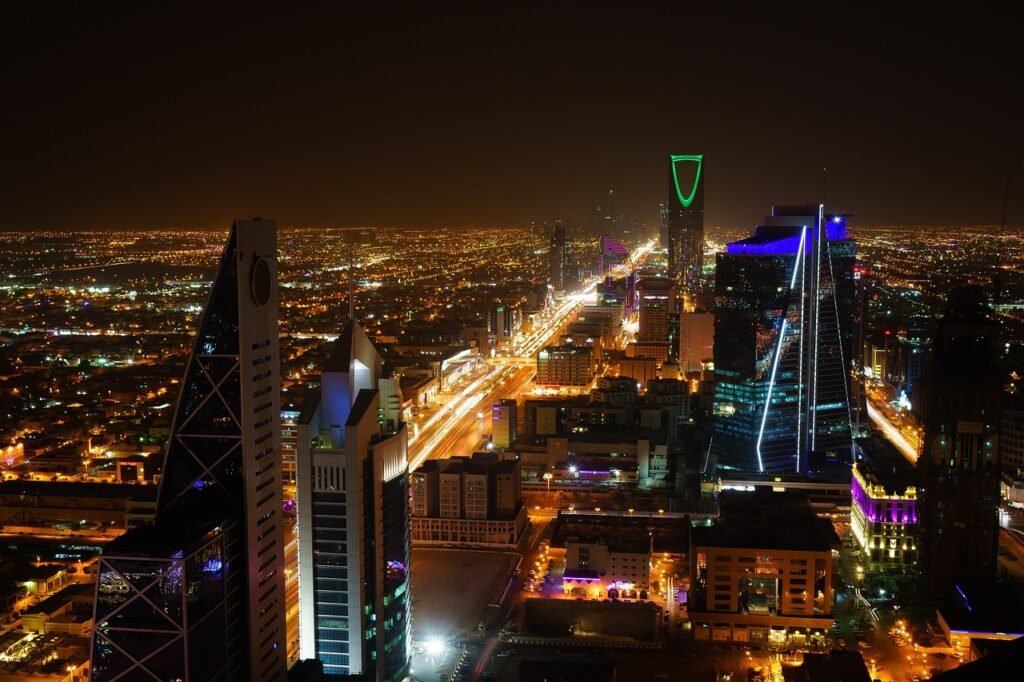
Riyadh is a sprawling, fast-growing capital where the districts that matter to a business traveller or tourist, from the financial towers of King Abdullah Financial District to the heritage quarter of Diriyah, sit a considerable drive apart from each other. Public transport is expanding but coverage and reliability still vary by area, which is why most visitors plan their trip around private transport from the outset. This guide walks through how the city is laid out, what to expect at the airport, how to get between districts without losing half a day to traffic, and how to organise transport for meetings, sightseeing, conferences, and everything in between, whether you are visiting for a single day of back-to-back meetings or taking a longer trip that mixes work with time to explore.
Understanding Riyadh’s layout
Riyadh is built on a grid of long boulevards radiating from the older central districts out towards newer development zones on the edges of the city. Distances that look short on a map can take thirty minutes or more in traffic, so it helps to think of the city in clusters rather than as a single compact centre you can cross on foot. Newcomers are often surprised by just how far apart the places they need to visit turn out to be once they see the drive times rather than the straight-line distance.
- Olaya and King Fahd Road, the commercial spine, home to many hotels, offices, and the Kingdom Centre Tower.
- King Abdullah Financial District (KAFD), the newer business hub with conference facilities and corporate headquarters.
- Diriyah, the historic birthplace of the Saudi state, undergoing major restoration and now a leading heritage destination.
- Al Murabba and the National Museum area, useful for a first orientation to the city’s history and culture.
- Riyadh Boulevard and Boulevard World, entertainment and dining districts that get busy in the evenings.
- Malaz and Sulaimaniyah, older residential and commercial neighbourhoods that sit closer to the historic centre and are worth knowing if your hotel is based there.
Because these clusters are spread across a large metropolitan footprint, a single day of meetings or sightseeing across two or three districts almost always calls for a car rather than walking, and even a short list of stops can eat up most of a morning if transport is not planned in advance.
Arriving at King Khalid International Airport
Most international and domestic flights into the capital land at King Khalid International Airport, north of the city centre. The airport has multiple terminals, and the transfer into central Riyadh typically takes somewhere between thirty and fifty minutes depending on traffic and which district you are heading to. Signposting between terminals and the various pickup zones can take a little getting used to on a first visit, and after a long flight it is easy to lose track of exactly where your driver is meant to be waiting.
If you are travelling for business and landing after a long-haul flight, arranging a driver to meet you at arrivals removes one variable from an already long day, particularly if you are heading straight into meetings. It also helps to build a little extra time into your schedule for immigration and baggage collection, since queues can vary depending on how many flights land around the same time.
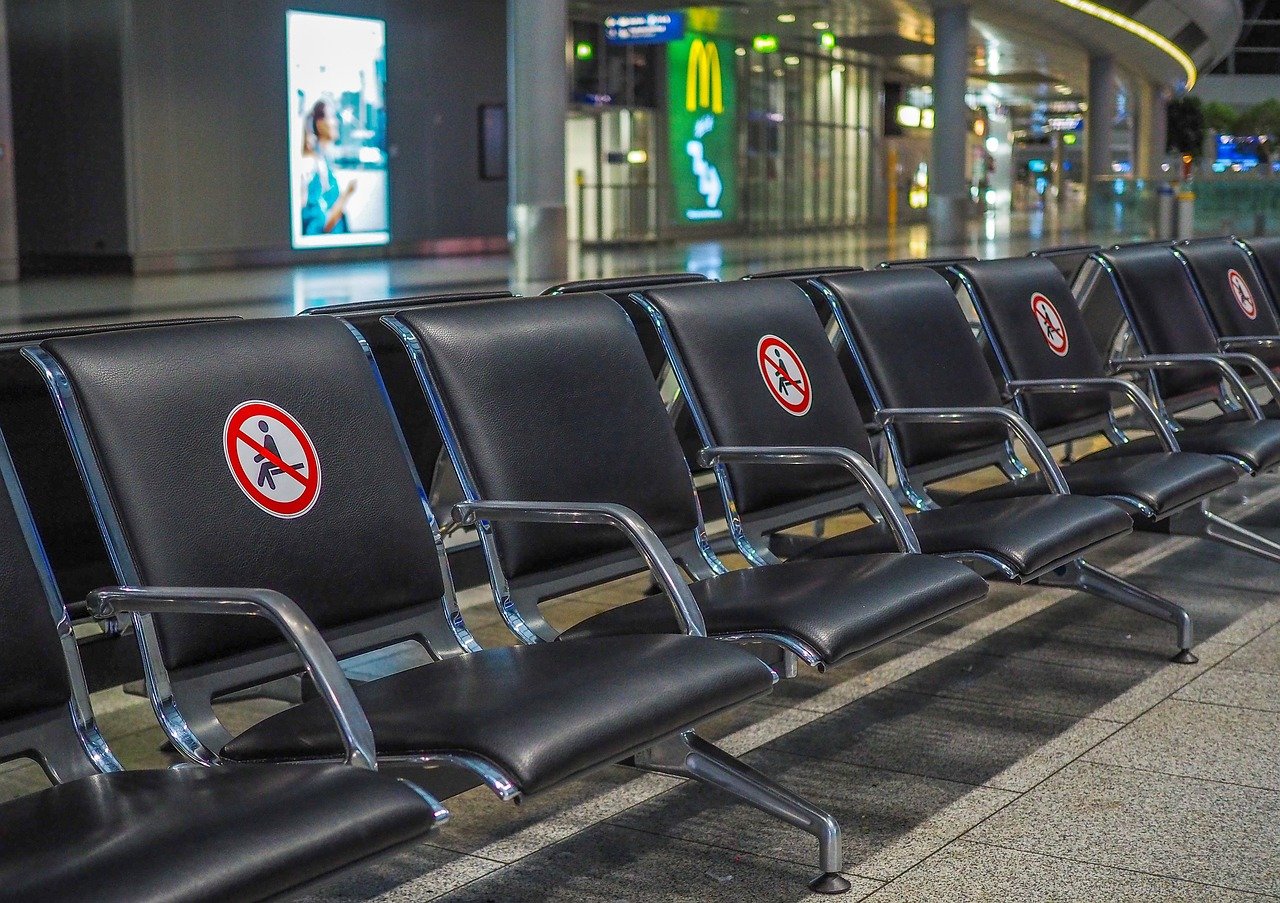
It is worth checking your airline’s current baggage and transit policies before you fly, along with any entry requirements that apply to your nationality. The General Authority of Civil Aviation publishes operational updates for Saudi airports, and it is a useful reference if your itinerary includes a domestic connection within the country. If you hold a UK passport, the gov.uk foreign travel advice for Saudi Arabia page is worth a read before departure, and US travellers should check the equivalent travel.state.gov advisory.
Getting between districts: routes, timing, and choosing your vehicle
Riyadh’s road network is generally well maintained, but peak-hour congestion on King Fahd Road and the ring roads is a genuine factor in journey planning. A few practical points for anyone organising their own schedule:
- Morning and late afternoon are the busiest periods, roughly aligned with standard office hours.
- Journeys that cross from one side of the city to the other, for example from KAFD to Diriyah, are best budgeted at forty-five minutes to an hour even outside peak traffic.
- If your day includes several stops, a pre-booked vehicle held for a fixed number of hours is usually simpler to manage than booking separate one-off rides between each location.
- For evenings out in Riyadh Boulevard or similar entertainment districts, arrange your return journey in advance since demand for on-demand rides rises sharply after dark in these areas.
- During the summer months, high daytime temperatures make waiting outside for transport genuinely uncomfortable, so having a vehicle timed to arrive when you are ready is more than a convenience.
The right vehicle also depends on your itinerary and group size. A standard sedan suits solo business travellers moving between meetings, while a larger SUV or van makes more sense for families, small groups, or anyone carrying substantial luggage. Booking ahead of arrival, rather than relying on finding transport once you land or once you are ready to leave a venue, gives you certainty over the vehicle type, the price, and the pickup point, which is particularly useful on a first visit when you are still getting your bearings around the city’s layout.
Business travel and conference logistics
Riyadh hosts a steady calendar of conferences, exhibitions, and corporate events, and many of the venues used for these, along with major hotels, sit some distance from each other. If you are attending a multi-day event, it is worth confirming your hotel’s proximity to the venue before booking, since a short hop on paper can still mean a twenty or thirty minute drive through the city. This matters most on the first morning of an event, when delegates are often unfamiliar with the route and traffic patterns and can easily underestimate how long the transfer will take.
For delegates arriving as part of a group, coordinating transport centrally rather than each person booking individually tends to keep the schedule on track and avoids people arriving at different times for the same session. It also simplifies things for the organiser, who can confirm a single pickup schedule for the whole delegation rather than chasing down individual arrangements. Companies that send staff to Riyadh regularly for conferences, site visits, or client meetings often find it worth setting up a standing arrangement so that transport does not need to be rebooked from scratch every trip, particularly when the same handful of hotels and venues come up again and again across different visits.
Sightseeing and leisure days
For visitors with a day or two free, Diriyah is the standout destination, a restored mudbrick town that gives a real sense of the region’s history before the modern capital grew up around it. The Saudi Tourism Authority’s visitsaudi.com is a useful starting point for current opening times and seasonal events across the city, since these can change with the calendar. Beyond Diriyah, the National Museum and the older Al Murabba district are worth combining into a single half-day itinerary, given their proximity to one another compared with the wider city.
Travellers with more time sometimes add a day trip further afield, such as the dramatic cliffside viewpoints known collectively as the Edge of the World, a couple of hours outside the city. Trips like this are a good example of where a private vehicle booked for the full day is far more practical than trying to arrange transport once you are already out of town, since return options in remote areas can be limited and the roads are unfamiliar to most first-time visitors.
Because these heritage sites, along with the newer entertainment districts, are spread across different parts of Riyadh and its surroundings, a private vehicle held for a half or full day generally works out more practical than trying to string together several separate journeys, especially if your schedule is loose and you want to adjust plans as you go.
Frequently asked questions
Q: How far is King Khalid International Airport from central Riyadh? A: The drive typically takes between thirty and fifty minutes depending on traffic and your exact destination within the city.
Q: Is it better to book transport in advance or arrange it after landing? A: Booking in advance gives you a confirmed vehicle, price, and pickup point, which is especially useful after a long flight or when you are arriving in Riyadh for the first time.
Q: How long should I allow to get between districts in Riyadh? A: Journeys within a single cluster, such as around Olaya, can take ten to fifteen minutes, while crossing the city, for example to Diriyah, is best budgeted at closer to an hour during busier periods.
Q: What is the best area to base myself in for a business trip? A: Olaya and King Fahd Road, or King Abdullah Financial District, are the most convenient bases for business travellers given the concentration of hotels and offices in both areas.
Q: Do I need a different vehicle for sightseeing versus business meetings? A: Not necessarily, though families or groups visiting several leisure sites in one day often prefer a larger vehicle for comfort and luggage space compared with a standard sedan used for point-to-point business trips.
Q: Should I check anything before travelling to Riyadh? A: Yes, check your airline’s current policies and the latest entry guidance for your nationality before you fly, since requirements can change.
If you would like a fixed-price quote tailored to your itinerary, Saudi Cab Co can arrange the right vehicle for your trip in advance. Get in touch before you travel and we will match your booking to exactly what you need.