Reviewed travel guidance. This article is general planning guidance for visitors arranging ground transport in Saudi Arabia. Always check current entry requirements and airline policies before you travel.
Riyadh has become a regular stop on the regional trade show and exhibition calendar, drawing exhibitors, buyers and conference delegates from across the Gulf and further afield. For anyone responsible for getting a team, a client group or a stand’s worth of equipment to a venue on time, transport is rarely the headline item on the planning list, yet it is often the thing that determines whether the first day of an event runs smoothly or starts with a scramble. This guide sets out a practical way to plan ground transport around Riyadh’s exhibition and convention venues, from the first airport pickup through to the final move-out.
Why exhibition transport needs its own plan
A trade show or exhibition is not a single transport requirement, it is several overlapping ones happening at once. Exhibitors arrive on different flights over several days, stand-build teams often need to be at a venue before doors officially open, VIP visitors expect a smoother arrival than general delegates, and freight or equipment sometimes needs to move separately from people. Treating all of this as one generic “airport transfer” booking tends to create gaps, particularly around early move-in mornings or late move-out evenings when regular taxi availability near a venue can be limited.
Booking transport as a coordinated plan, rather than a series of one-off trips, also makes it easier to control cost. A single point of contact managing multiple pickups can consolidate vehicles where schedules overlap, agree fixed prices in advance, and avoid the last-minute premium that comes with booking on the day.
Riyadh’s major exhibition and convention venues
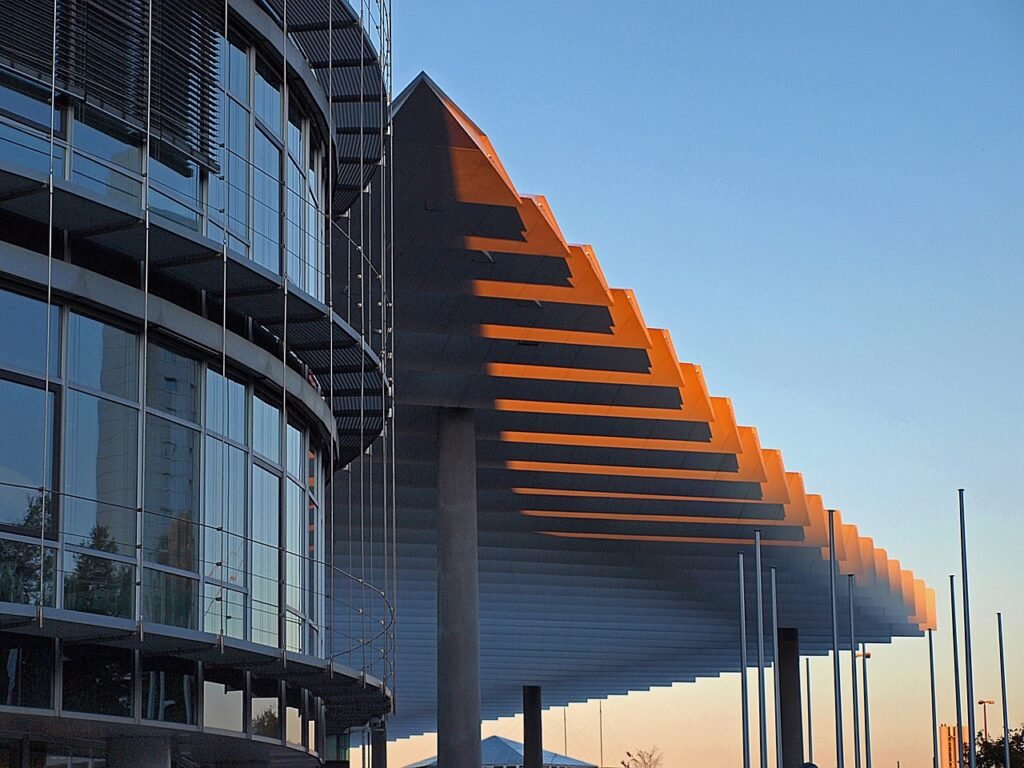
Riyadh’s exhibition infrastructure has expanded significantly in recent years, and events for a given trade sector are not always held at the same venue year to year, so it is worth confirming the exact address as soon as it is published rather than assuming. Broadly, transport planning should account for a few different venue types:
- Large purpose-built exhibition and convention centres, which typically sit some distance from the city centre and from King Khalid International Airport, with their own dedicated access roads and parking areas.
- Hotel-based conference facilities in central Riyadh or the King Abdullah Financial District, where transport competes with everyday city traffic and hotel valet or taxi ranks.
- Stadium or arena venues occasionally repurposed for larger consumer or trade events, which can see very different traffic patterns on event days compared with a typical weekday.
Because journey times and access arrangements vary so much between these venue types, it is worth confirming the venue’s exact address, nearest access gate for delegate drop-off, and any accreditation or vehicle-pass requirements directly with the event organiser once your stand or delegate registration is confirmed, then building your transport plan around that information rather than a general assumption about “getting to Riyadh”.
Matching airport pickups and coordinating your team’s arrivals
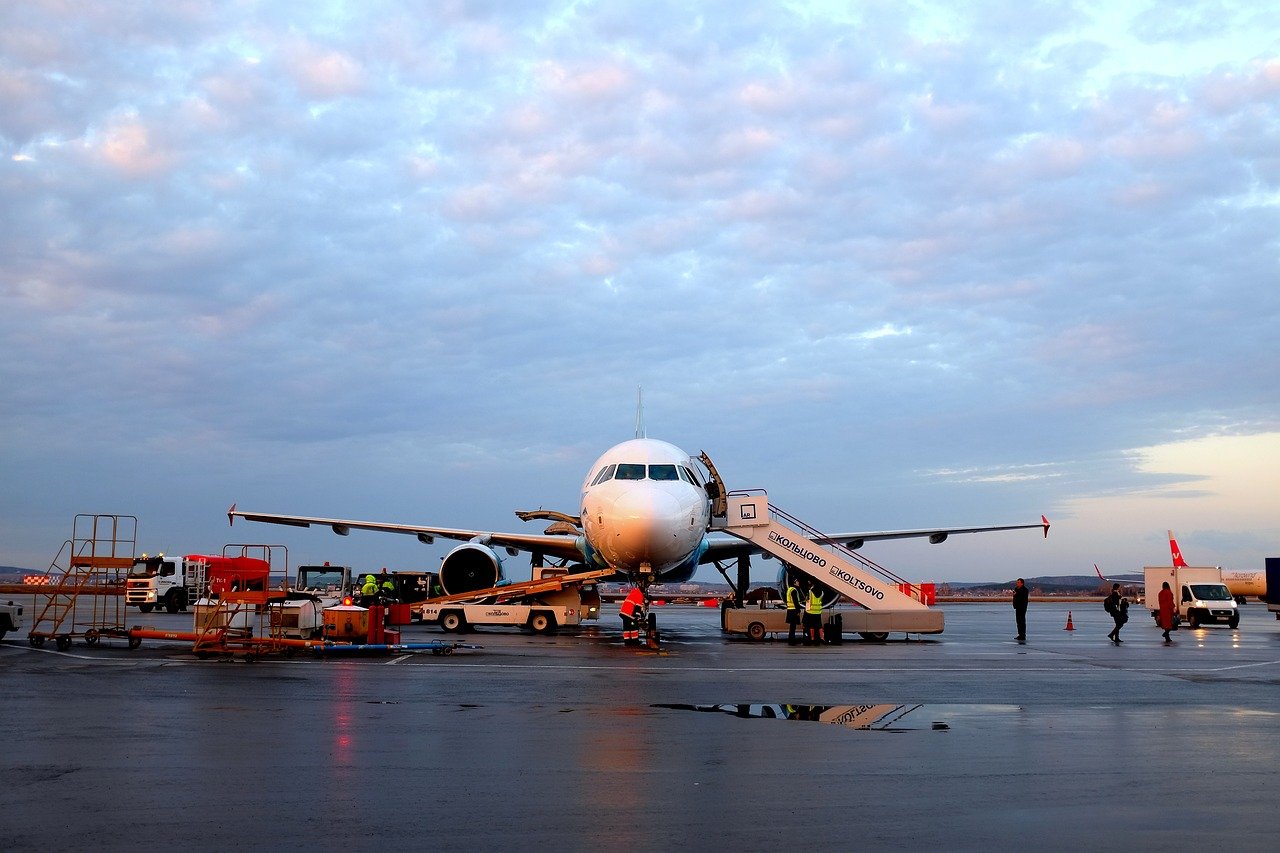
Most exhibitors and delegates arrive through King Khalid International Airport, and the single most useful thing you can do to keep transport simple is to book the airport transfer against the actual flight number rather than a fixed time. Flight schedules and any changes to them are tracked through official channels, and it is worth checking the latest operational guidance on gaca.gov.sa if your trip depends on a tight connection between landing and reaching the venue for a move-in slot or an early morning session.
For groups arriving across several flights over one or two days, it is more efficient to book a block of transfers under one account than to leave each traveller to arrange their own taxi on arrival. This also gives you a single point of contact if a flight is delayed and a pickup needs to be pushed back, rather than a driver waiting at the wrong time with no way to be updated.
Once arrivals are under control, it helps to think of the rest of the event as three distinct transport streams rather than one undifferentiated group booking. Stand-build and technical staff usually need to be on site earlier than general delegates, often before the venue’s main entrances are fully staffed, and may need to make more than one trip if equipment arrives separately. Delegates, buyers and VIP visitors typically travel in smaller groups or as individuals and value a predictable, comfortable journey with minimal waiting. Freight and equipment may require a larger vehicle and a different arrival window entirely, coordinated with the venue’s own goods-in schedule rather than the delegate entrance.
Splitting the plan this way makes it much easier to size vehicles correctly, an executive saloon for a small VIP party is a poor fit for moving stand panels, and a large van booked for freight is an unnecessary cost if it is only carrying two people. It also means a delay in one stream, such as a late freight consignment, does not automatically disrupt the delegate schedule running alongside it.
Handling move-in, move-out and peak congestion days
The busiest transport days around any exhibition are rarely the show days themselves, they are move-in and move-out, when large numbers of vehicles converge on a venue’s service roads within a narrow window. If your team needs to be on site during move-in, build extra time into the journey plan and confirm with the organiser whether there is a separate access point or accreditation requirement for build days, since this is often different from the general visitor entrance used once the show is open.
On the final day, plan the return journey to the airport with the same care as the arrival. A show’s official closing time is not the same as the time exhibitors are actually able to leave, stand breakdown and loading can run well past the published end time, so booking a fixed return pickup for a specific hour rather than “end of day” avoids either a long wait or a rushed exit.
Choosing the right vehicles and briefing your transport provider
For most exhibition and trade show bookings, a mixed fleet works better than a single vehicle type across the whole trip. A smaller saloon or SUV suits individual delegate and VIP transfers, while a larger vehicle makes sense for staff groups travelling together between a hotel and the venue each day. If your event runs across several days, a standing daily transfer, the same pickup and drop-off time booked in advance for the full run of the show, tends to be more reliable than rebooking each morning, and it gives your driver a fixed routine to work around.
Whichever structure you choose, agree a fixed price for the full booking in advance rather than relying on a metered fare. This is particularly useful for exhibition transport because journey times to venues on the outskirts of the city can vary considerably with traffic, and a fixed quote removes any uncertainty from the budget you report back to your event or travel manager. General planning advice for visitors, including current guidance on documentation and travel preparation, is available through visitsaudi.com, and it is worth reviewing this alongside your event-specific plan rather than relying on assumptions from a previous trip.
A short written brief shared with your transport provider ahead of the show avoids most of the confusion that otherwise happens on the day. At minimum it should cover arrival and departure flight details for each traveller or group, the exact venue address and, where known, the specific gate or entrance to use, move-in and move-out dates and times separate from the general show schedule, which trips are for people and which are for freight or equipment, and a single point of contact who can approve last-minute changes to pickup times. Sharing this once, rather than piecing it together through separate messages as each trip comes up, is usually the difference between a transport plan that runs quietly in the background and one that needs constant firefighting during the event itself.
Frequently asked questions
Q: How far in advance should I book transport for a Riyadh trade show? A: As soon as your travel dates and flight details are confirmed, ideally several weeks ahead for larger group bookings, since this gives time to plan vehicle sizes and staggered arrivals properly rather than booking each trip individually at short notice.
Q: Can one booking cover both airport transfers and daily venue transport? A: Yes, a single account-based booking can combine airport pickups with a standing daily transfer between your hotel and the venue for the full length of the show, which is usually simpler to manage than separate one-off bookings.
Q: What happens if my flight is delayed on arrival day? A: Book against your actual flight number rather than a fixed clock time, and keep your transport provider’s contact details on hand so a delay can be communicated and the pickup adjusted rather than missed.
Q: Do I need a different vehicle for moving exhibition equipment? A: In most cases yes, a larger vehicle is more practical for stand panels or bulky equipment, and it is best coordinated with the venue’s own goods-in schedule rather than combined with a delegate pickup.
Q: Is it better to book individual taxis or a group transport plan for a delegation? A: For anything more than two or three travellers, a coordinated group plan with fixed pricing is generally more predictable than leaving each person to arrange their own transport, especially around move-in and move-out days when demand near a venue peaks.
Q: Should transport for move-out be booked at the show’s official closing time? A: No, breakdown and loading often continue well past the published closing time, so it is safer to agree a specific return pickup hour with your team once you know how long teardown is likely to take.
If you would like a fixed-price quote tailored to your itinerary, Saudi Cab Co can arrange the right vehicle for your trip in advance. Get in touch before you travel and we will match your booking to exactly what you need.