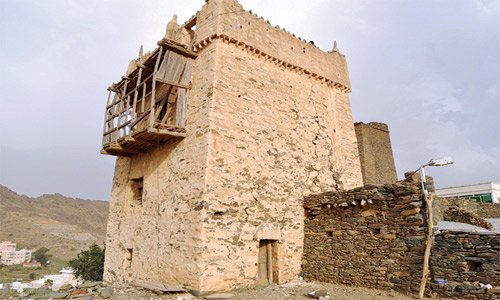
Al-Baha, tucked into the Sarawat mountains of southwestern Saudi Arabia, is one of the country’s most overlooked destinations, a cooler, forested region that stands in sharp contrast to the desert landscapes many visitors associate with Saudi Arabia. With juniper forests, mountain viewpoints and traditional stone villages, Al-Baha rewards travellers willing to head off the more established tourist routes. This guide covers the region’s highlights and how to get around them.
Ask most visitors to Saudi Arabia to picture the country’s landscape, and forested mountains rarely come to mind. Al-Baha is the clearest exception to that expectation, and for travellers who have already experienced the country’s deserts, coastlines and cities, it offers a genuinely different side of Saudi Arabia’s geography. This guide sets out what makes the region worth the detour and how to plan around its mountainous, less developed tourism infrastructure.
Al-Baha’s mountain setting
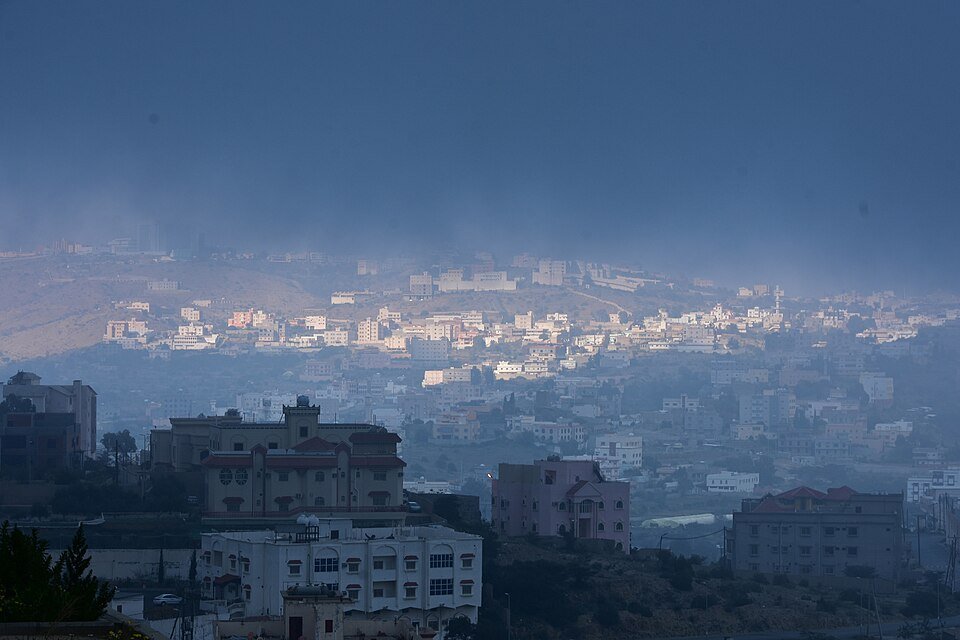
Al-Baha region sits at altitude within the Sarawat range, giving it a noticeably cooler and greener climate than much of the rest of the country, particularly during the summer months when many of Saudi Arabia’s cities are at their hottest. This has long made it a domestic retreat destination, and its forested slopes and mountain scenery are genuinely distinctive within the kingdom.
What to see in Al-Baha
The Sarawat mountains and forests
The mountains surrounding Al-Baha city support forest cover uncommon elsewhere in Saudi Arabia, with juniper woodland across parts of the region contributing to a landscape and climate closer to a highland retreat than a desert destination.
Baljurashi’s old town
Baljurashi, a town within the wider Al-Baha region, preserves a historic old town with traditional stone and mud architecture, giving visitors a tangible sense of the area’s building traditions before modern construction became widespread.
Traditional stone villages
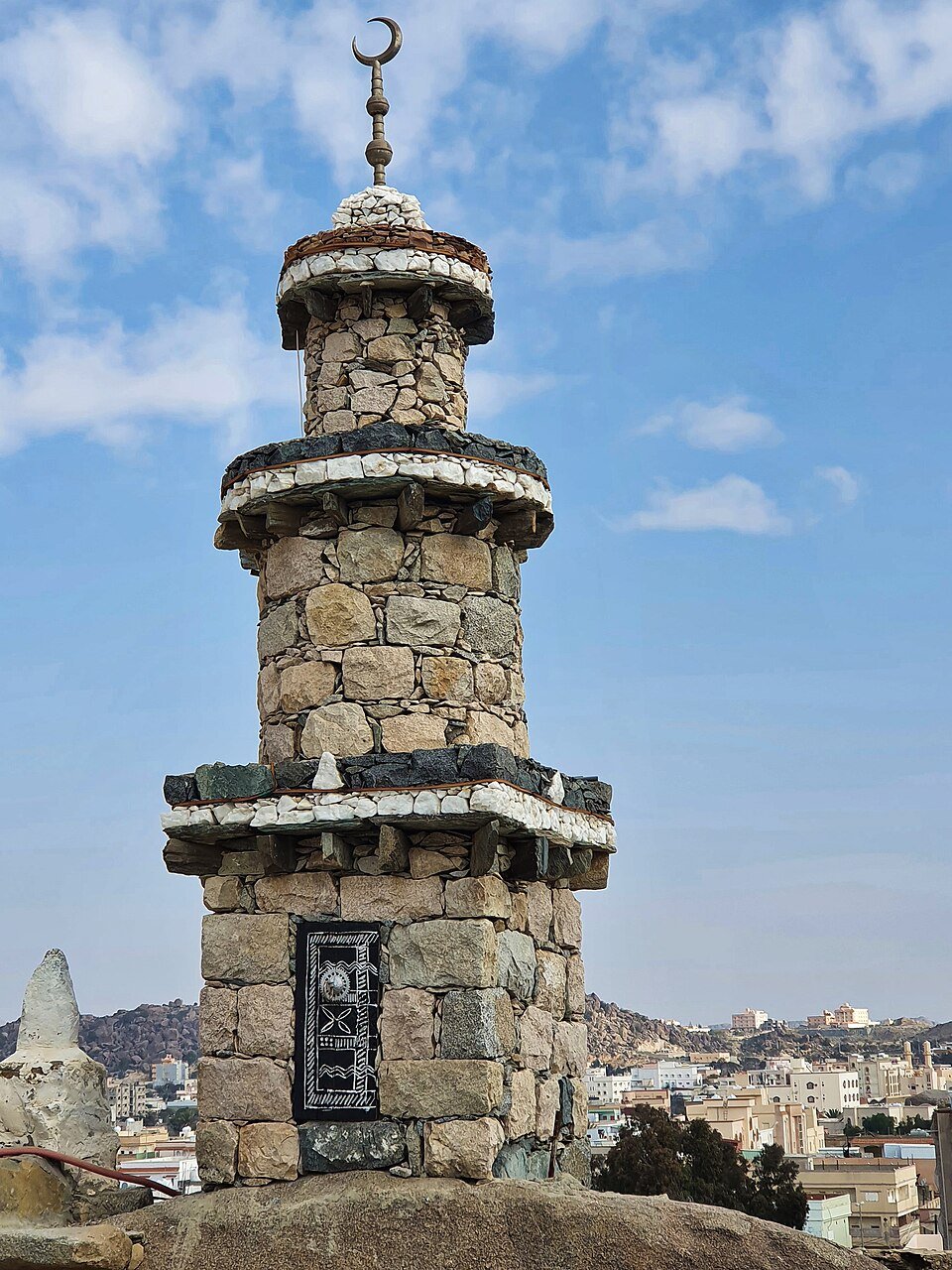
The wider region is known for distinctive stacked stone architecture in some of its older villages, a style shaped by the local terrain and available building materials, and worth seeking out for visitors interested in traditional Saudi vernacular architecture.
Forest parks and viewpoints
Al-Baha’s forest parks and mountain viewpoints offer walking and picnic spots with views across the surrounding valleys, particularly popular with domestic visitors during the cooler months and the summer retreat season.
Combining Al-Baha with the wider southwest
Al-Baha sits within reasonable striking distance of Taif to the north and the Aseer region to the south, and a number of visitors choose to combine it with one or both as part of a wider tour of Saudi Arabia’s southwestern highlands. Each region has its own distinct character, Taif’s rose terraces, Al-Baha’s juniper forests and stone villages, and Aseer’s higher mountain scenery around Abha, so treating them as a connected highland circuit rather than isolated single stops tends to produce a more satisfying trip for visitors with the time to cover more ground.
Getting to Al-Baha
Al-Baha has its own regional airport with domestic connections, offering the most direct route for visitors travelling from Riyadh, Jeddah or other major cities. Road access from neighbouring regions is also common, though the mountain roads leading into the Al-Baha area involve real elevation changes and are best driven by an experienced driver.
Getting around the Al-Baha region
Al-Baha’s key attractions, the forest parks, Baljurashi’s old town and the traditional stone villages, are spread across a mountainous region rather than concentrated in a single town centre. A private vehicle with a driver comfortable on mountain roads is the practical way to see the region properly, particularly given that public transport options across this rural, elevated terrain are limited.
Practical visitor tips
- Pack layers. Al-Baha’s elevation means noticeably cooler temperatures than the surrounding lowlands, especially in the early morning and evening.
- Allow time for mountain roads. Journeys between the region’s attractions can take longer than the straight line distance suggests, given the terrain.
- Visit during the retreat season for the best atmosphere. Al-Baha is at its liveliest during the warmer months, when domestic visitors head to the region to escape the heat elsewhere in the country.
- Seek out the stone villages. These are some of the region’s most distinctive sights and are worth building specific time into your itinerary to find.
- Book a driver with local route knowledge. Given limited signage and mapping detail for some of the region’s smaller villages and viewpoints, a driver who already knows the area will save considerable time over navigating independently.
A region still finding its tourism footing
Al-Baha has historically drawn far fewer international visitors than Saudi Arabia’s coastal and heritage destinations, and much of its visitor base has traditionally been domestic, families and travellers from within the country seeking a cooler climate escape rather than international tourists following an established circuit. That is gradually changing as Saudi Arabia’s wider tourism infrastructure develops, but Al-Baha still offers something increasingly rare, a genuinely uncrowded destination with real natural and cultural interest, rather than one shaped primarily around international visitor expectations.
This also means visitor infrastructure, signage, English language information and organised tours, is less developed here than in destinations such as AlUla or Riyadh. A knowledgeable local driver becomes correspondingly more valuable in Al-Baha than in more established tourist areas, since navigating to specific viewpoints, forest parks or stone villages often depends on local knowledge that is not always reflected in standard mapping tools.
Frequently asked questions
What makes Al-Baha different from other parts of Saudi Arabia?
Its mountain elevation and forest cover give Al-Baha a cooler, greener climate than much of the rest of the country, making it a popular domestic retreat destination, particularly in summer.
Can I fly directly into Al-Baha?
Yes. Al-Baha has its own regional airport with domestic connections.
Do I need a car to see Al-Baha’s main sights?
A private vehicle, ideally with a driver experienced on mountain roads, is the practical way to reach the region’s spread out attractions, since public transport options are limited across this rural terrain.
What visitors often overlook
Because Al-Baha rarely appears at the top of a Saudi Arabia itinerary, many visitors treat it as a brief detour rather than a destination worth its own dedicated time. This tends to shortchange the region. The contrast between its forested slopes and the desert or coastal landscapes most visitors have already seen elsewhere in the country is genuinely striking, and a rushed half day visit rarely does it justice. Travellers who build in at least an overnight stay, rather than a same day round trip from a neighbouring region, generally come away with a far better sense of what makes Al-Baha distinctive, from cooler evening temperatures to the changing light across the mountain viewpoints at different times of day.
Booking your Al-Baha transport
Saudi Cab Co arranges fixed price, professionally driven transfers to and from Al-Baha’s regional airport, along with vehicles suited to the region’s mountain roads for exploring its forests, old towns and traditional villages. Booking ahead ensures a comfortable, well planned route around one of Saudi Arabia’s most distinctive landscapes.
Related guides
- Abha and Aseer: A Transport Guide to Saudi Arabia’s Mountain Region
- Asir National Park: A Visitor’s Guide from Abha
- Taif: A City Guide Beyond the Airport Transfer
Checked sources
- Visit Saudi, visitsaudi.com
- Saudi Tourism Authority, sta.gov.sa
- GACA, gaca.gov.sa