
Diriyah Gate is fast becoming one of the most talked about destinations in Saudi Arabia, and getting there from Riyadh is now a genuinely interesting transport question. The historic district of At Turaif, a UNESCO World Heritage Site and the birthplace of the first Saudi state, sits at the heart of a large scale redevelopment by Diriyah Company that is turning the area into a major heritage, hospitality, dining and lifestyle destination just outside the capital. With that growth has come transport news, most notably a planned extension to the Riyadh Metro that will eventually bring the network much closer to Diriyah Gate itself.
For visitors and business travellers planning a trip today, the practical question is simple: should you wait for the metro, or book a private transfer? This guide sets out exactly what is available now, what is still under construction, and how the two options compare in practice.
What is Diriyah Gate today
Diriyah Gate refers to the wider redevelopment of the historic Diriyah area, anchored by At Turaif’s mudbrick palaces and walls. Alongside the heritage site, the project is adding museums, restaurants, hotels and public spaces, and it is increasingly positioned as a flagship attraction for visitors to Riyadh, not just a half day excursion. As the site continues to expand, transport links are expanding with it, though not all of that expansion has arrived yet.
The Riyadh Metro and Diriyah: what’s actually open now
Existing lines and stations
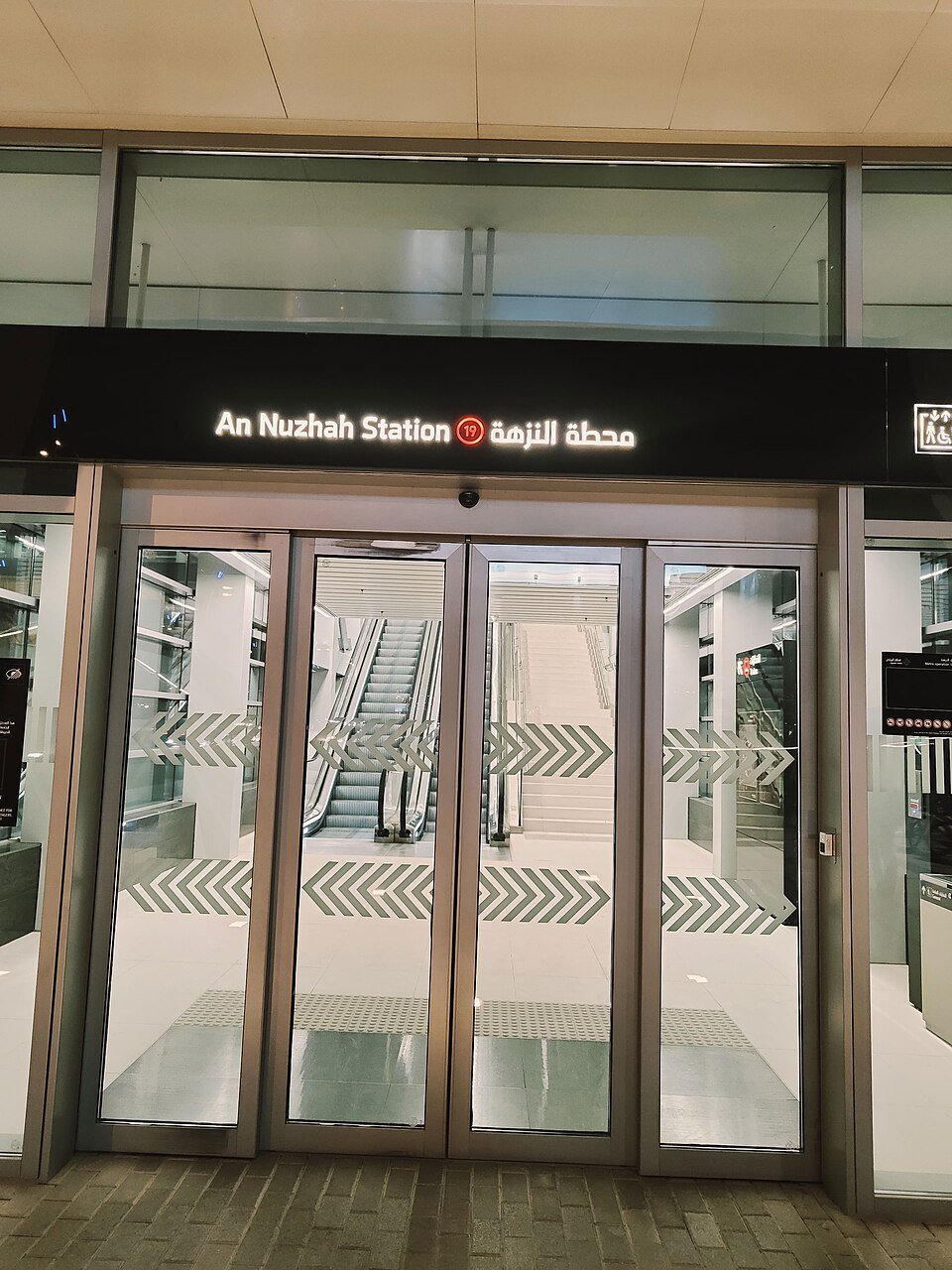
The Riyadh Metro already serves the broader Diriyah area through its existing lines and stations. This means it is possible to travel most of the way to Diriyah by metro today, but reaching Diriyah Gate’s entrance itself still generally requires a final leg by taxi, ride hailing app or a short walk once you leave the nearest station. For visitors unfamiliar with the area, that last mile connection can add uncertainty to the journey, particularly with luggage, in the heat, or when travelling as a family or group.
The planned Red Line extension to Diriyah Gate
The Royal Commission for Riyadh City has awarded a project to extend the Red Line with approximately 8.4 kilometres of new track and five new stations, reaching further into Diriyah Gate itself. This is genuinely significant news for anyone who plans to visit regularly, or who is interested in how Riyadh’s public transport network will develop. However, it is important to be clear eyed about where this project actually stands. As of this writing, the extension is newly awarded and under construction. It is not yet open to passengers, and no confirmed opening date has been officially published. Anyone telling you a firm date for the new stations is speculating, and we would encourage you to check the Riyadh Metro’s own channels or official sources for the latest confirmed timeline before relying on it for a trip.
In practical terms, this means the metro extension is a future improvement, not a current transport option. It will be worth revisiting once stations open, but for now it should not factor into your travel planning.
Private transfer to Diriyah Gate: what it looks like in practice
A pre booked private transfer solves the problem the metro cannot yet solve: it takes you directly from your hotel, the airport, or anywhere else in Riyadh straight to Diriyah Gate’s entrance, with no interchange, no final mile walk and no guesswork about which exit to use. For a first time visitor, or anyone travelling with family, colleagues or luggage, that door to door reliability is the main advantage.
A typical private transfer from central Riyadh to Diriyah Gate takes somewhere in the region of thirty to forty five minutes depending on traffic and your exact starting point, though you should always allow extra time during peak hours or major events at the site. Vehicles can be booked in advance for a set time, with drivers who know the current road layout around the Diriyah Gate development, which continues to change as construction progresses nearby.

Metro vs private transfer: a practical comparison
Time and convenience
Today, a private transfer is the more convenient option for most visitors because it removes the final mile connection entirely. The metro can get you close, but travelling the rest of the way by taxi or on foot adds time and complexity that a direct transfer avoids.
Luggage, groups and comfort
If you are travelling with luggage, young children, elderly relatives or a larger group, a private vehicle is significantly easier to manage than combining a metro journey with a further taxi or walking leg, especially given Riyadh’s climate for much of the year.
Cost considerations
The metro is the lower cost option for solo travellers who are comfortable navigating the final leg themselves. A private transfer costs more but includes the entire journey in one fare, which often works out more efficient for groups splitting the cost, or for anyone who values predictability over saving a small amount of money.
Who should choose which option
Business travellers on a tight schedule, visitors on a first trip to Diriyah Gate, families, and anyone arriving with luggage straight from the airport are generally best served by a private transfer. Budget conscious solo travellers who are already comfortable with the existing metro network and happy to handle a short taxi or walking connection may prefer to combine the metro with a local taxi for the final stretch. Once the Red Line extension opens, this calculation is likely to shift in the metro’s favour for many more travellers, and it is worth checking back on official transport updates as that project progresses.
Booking a reliable transfer to Diriyah Gate
When you book a private transfer for the Riyadh to Diriyah Gate route, it is worth confirming a few details in advance rather than leaving them to chance. Ask whether the fare includes waiting time if you plan to be dropped off and collected later, rather than needing a one way trip. Confirm the vehicle type suits your group size and luggage, particularly if you are travelling straight from Riyadh’s airport with suitcases in tow. And check that your provider is used to the Diriyah Gate area specifically, since drop off points can differ from the general Diriyah district that older maps and apps may still reference.
For business travellers building Diriyah Gate into a packed Riyadh itinerary, a private transfer also makes it far easier to combine the visit with other engagements on the same day, since the vehicle and driver are dedicated to your schedule rather than a fixed public transport timetable.
Frequently asked questions
Is the Riyadh Metro extension to Diriyah Gate open yet
No. As of this writing, the Red Line extension project bringing new stations closer to Diriyah Gate is under construction, having been awarded by the Royal Commission for Riyadh City. It is not yet carrying passengers, and no official opening date has been confirmed, so it should not be relied on for a current visit.
Can I reach Diriyah Gate by metro at all today
Yes, in part. The existing Riyadh Metro network serves the wider Diriyah area, so you can travel most of the way by train. You will still need a taxi, ride hailing app or a walk to cover the final distance to Diriyah Gate’s entrance itself, since the dedicated new stations have not opened yet.
Is a private transfer worth the extra cost
For most visitors, particularly those travelling with luggage, in a group, or on a limited schedule, yes. The convenience of a single, direct journey to the entrance tends to outweigh the cost saving of combining the metro with a separate onward journey.
Tips for visiting Diriyah Gate
- Book your private transfer in advance, particularly around evenings and weekends when the site is busiest.
- Confirm your driver knows the current drop off point, as access roads around the development can change during ongoing construction.
- If you plan to combine Diriyah Gate with other Riyadh heritage sites in one day, a private transfer with waiting time is usually more efficient than public transport.
- Check official sources closer to your travel date for the latest confirmed status of the Red Line extension before assuming it is open.