
Reviewed travel guidance. This article is general planning guidance for visitors arranging ground transport in Saudi Arabia. Always check current entry requirements and airline policies before you travel.
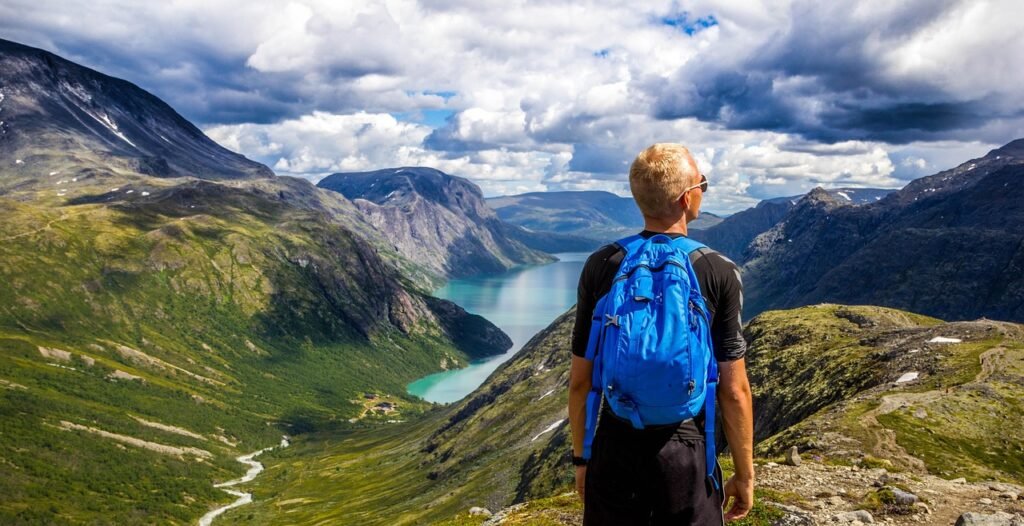
Taif sits on the edge of the Sarawat mountains, roughly 1,700 to 1,900 metres above sea level, which makes it one of the few Saudi cities where the summer air actually cools in the evening. Most visitors arrive by road, climbing out of Jeddah or Makkah on a route that switches from flat coastal plain to a mountain highway within an hour. Because the climb itself is part of the experience, and because the city is more spread out than first-time visitors expect, planning the ground transport properly matters as much as choosing what to see once you arrive. This guide covers what to expect once you get there, how the city is laid out, and how to plan your road transport for a comfortable trip rather than a rushed day out.
Why visitors head up to Taif
Taif has functioned as a warm-weather retreat for generations of residents from Jeddah and Makkah, and that reputation still shapes how the city feels today. The elevation brings noticeably lower temperatures than the coast for most of the year, and the surrounding hills support agriculture that simply cannot happen at sea level, most famously the Taif rose harvest each spring. For business travellers based in Jeddah, a day or two in Taif works well as a change of pace between meetings, and the shorter distance compared with the country’s other mountain regions makes it a realistic add-on rather than a major diversion from a business schedule. For leisure visitors, it pairs naturally with a wider western Saudi itinerary that also takes in the coast, whether that means a short overnight break or a single well-planned day trip built around the drive itself.
- Cooler evening temperatures than Jeddah or Makkah for most of the year
- Rose farms and traditional souqs with produce not typically found on the coast
- Viewpoints and parks along the escarpment with views back down toward the plain
- A more relaxed pace than the larger coastal cities, useful for a short break
The road up: what the drive actually involves
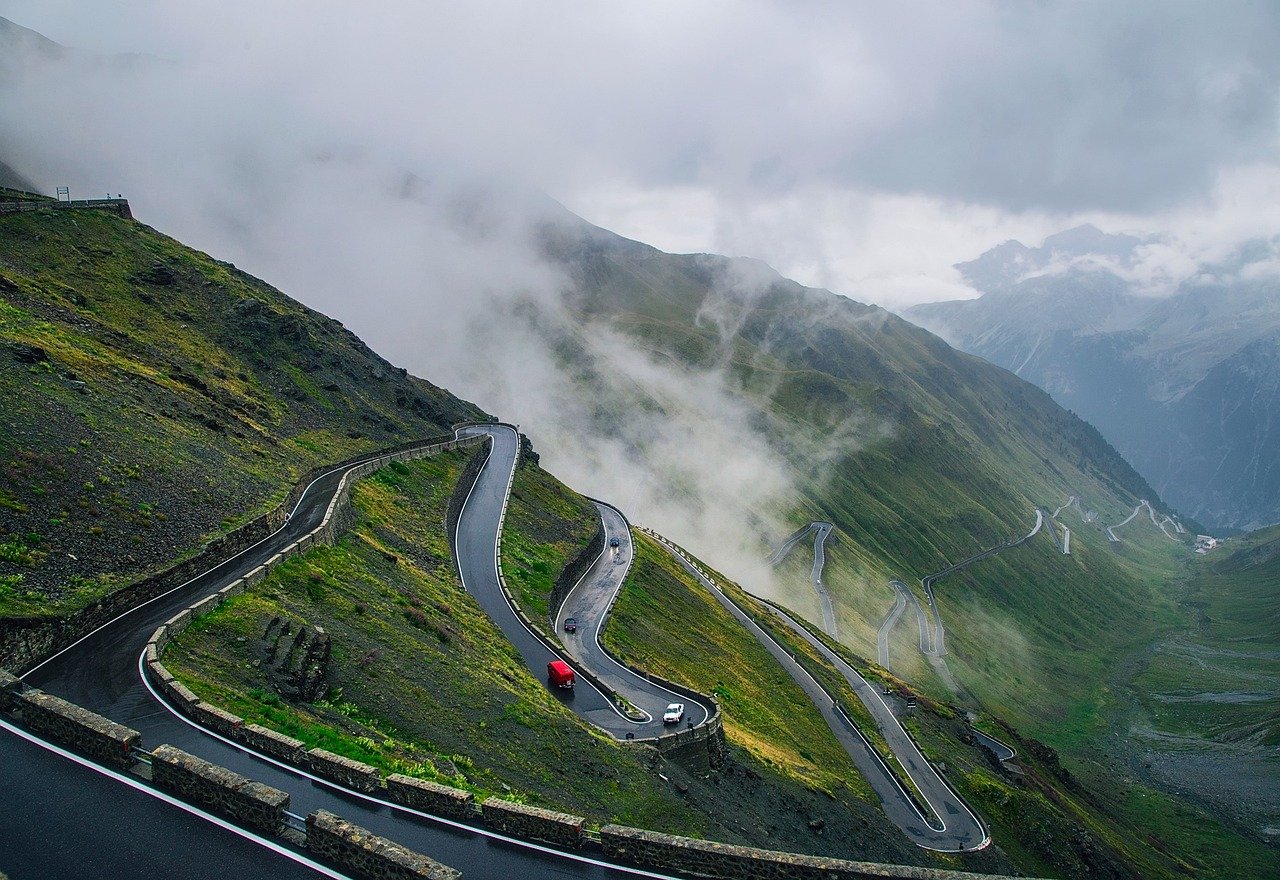
The main route between Jeddah or Makkah and Taif runs through mountainous terrain, with a well-known stretch of switchbacks as the road climbs the escarpment. This is a legitimate mountain drive, not a motorway extension, so it takes longer than the straight-line distance suggests and the character of the road changes noticeably in the final section. A cable car also runs alongside part of the ascent for those who want to experience the climb without driving it, though most visitors travelling with luggage or on a fixed schedule will stick to the road.
If you are driving yourself, allow extra time for the climb and be prepared for reduced visibility in cloud or mist, which does occur at this altitude. If you are being driven, a private transfer removes that planning burden entirely and lets you use the journey time productively, which matters if you are combining the trip with business elsewhere in the region. Anyone planning to drive in Saudi Arabia, including on mountain roads like this one, should check the practical driving guidance in the gov.uk foreign travel advice for Saudi Arabia before setting off.
Traffic on the ascent can also build up at weekends and during the cooler months, when the road is popular with day trippers from the coast as well as through traffic heading further into the region. A driver who makes the trip regularly will have a feel for which times of day tend to be quieter, which is difficult to judge from a single visit and can make a meaningful difference to how relaxed the journey feels.
Getting your bearings once you arrive
Taif is larger and more spread out than its reputation as a mountain retreat might suggest. The city centre holds the older commercial districts and traditional souqs, while newer residential and hospitality areas extend along the ridgeline and further out toward the agricultural land where the rose farms are concentrated. Distances between the main points of interest are often greater than they look on a map, since roads follow the contours of the hills rather than running in straight lines.
This layout is the main reason most visitors are better served by a pre-arranged vehicle than by trying to walk between attractions or rely on finding transport on the spot. A driver who knows the city can also judge which routes avoid the steepest or most congested sections at a given time of day, which is not always obvious to a first-time visitor.
Signage and pedestrian infrastructure in the older commercial areas are also not always set up for casual wandering between sites, particularly outside the main souq district, so visitors who plan to move between several points across a single day tend to get more out of the trip with a vehicle arranged for the whole itinerary rather than a single point-to-point transfer.
What to see and do
Taif’s attractions lean toward gardens, viewpoints, and traditional commerce rather than large single monuments, which makes it a good fit for an unhurried itinerary spread across a day or two.
- Rose farms and the rose season, concentrated in the villages around Taif and at their most active in the spring harvest, when the flowers are processed for oil and rosewater
- Al Rudaf Park, a hillside park with walking paths and views over the surrounding valleys
- Shubra Palace, a historic building in the older part of the city reflecting the architecture of an earlier era
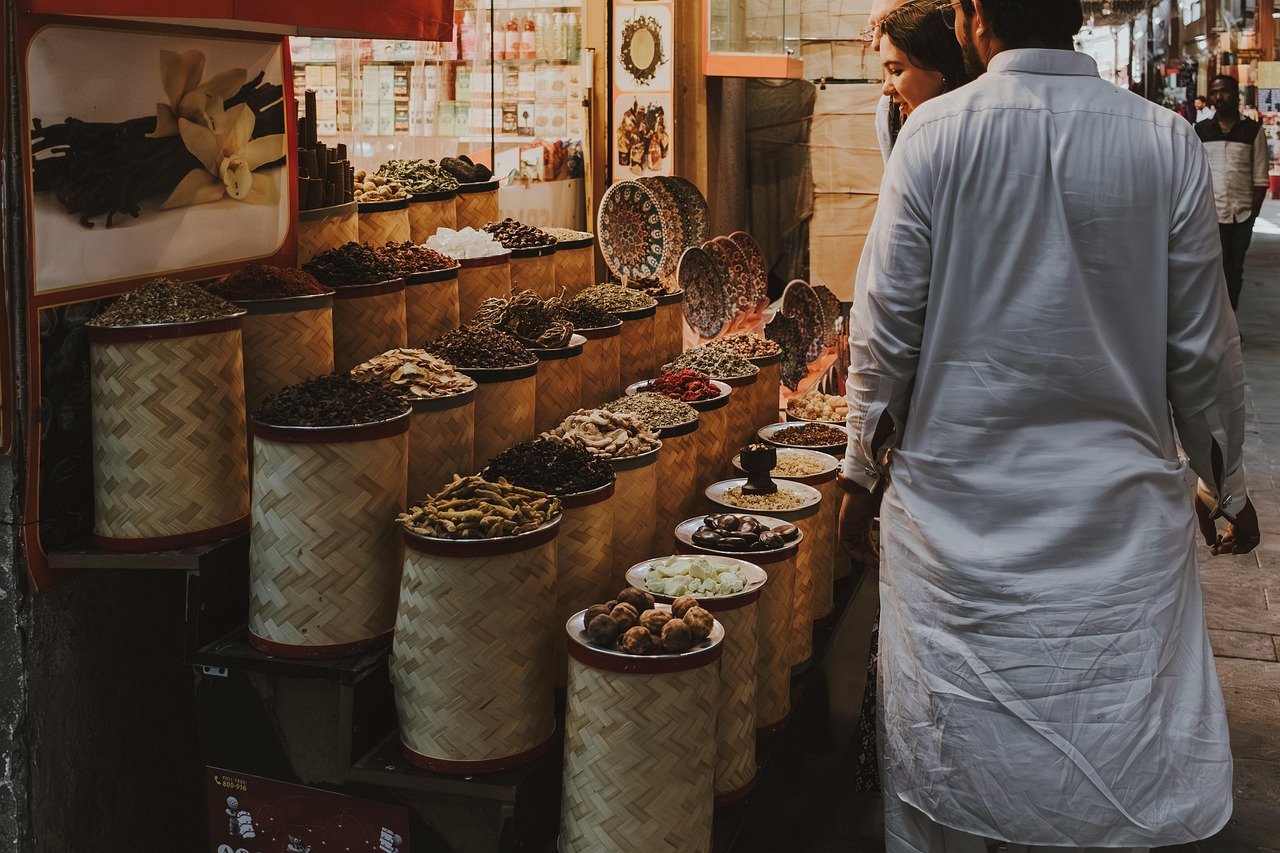
- Traditional souqs, including markets known for local produce, honey, and pottery
- Al Hada and Al Kar viewpoints, on the escarpment road itself, popular for the view back down toward the coastal plain
Current opening details and seasonal timing for specific attractions are best checked against the official visitsaudi.com listings before you travel, since some sites operate on limited hours outside peak season. For business travellers with limited time, it is worth being realistic about how many of these you can comfortably fit into a single visit. A souq stop and one or two viewpoints make for a satisfying half day, while a fuller itinerary covering the rose farms and Shubra Palace as well is more comfortable spread across an overnight stay.
When to go and what the climate means for planning
Taif’s appeal is strongest in the warmer months, when the temperature difference between the mountains and the coast is at its widest, and again in spring during the rose harvest. Outside those windows the city is still a reasonable stop, but the cooler-climate advantage that draws most visitors is less pronounced. If your trip is weather-dependent, whether that means avoiding coastal heat or timing a visit around the rose season, build a little flexibility into your road transport booking rather than fixing a single rigid slot, since mountain weather can shift plans on short notice.
Evenings can be noticeably cooler than daytime, more so than visitors arriving straight from Jeddah or Makkah tend to expect, so pack accordingly if you plan to be out after dark.
Booking ground transport for a Taif trip
Most visitors reach Taif as part of a wider itinerary rather than as a standalone destination, commonly combining it with Jeddah or occasionally with a longer route further into the region. A few practical points are worth settling before you travel.
- Decide whether you need a return same-day trip, an overnight stay, or a one-way transfer onward to another city, since each affects vehicle and driver scheduling differently
- If you plan to stop at viewpoints or the rose farms along the way, agree this with your transport provider in advance rather than assuming a standard point-to-point transfer will accommodate stops
- Group size and luggage matter more on a mountain route than a flat motorway transfer, so confirm the vehicle class suits your party before the day of travel
- Build in a buffer for the climb itself, particularly if you have a fixed onward commitment such as a flight or meeting later the same day
A pre-arranged private transfer takes the uncertainty out of a mountain route that most visitors only drive once or twice, and it means the practicalities of the ascent, timing, and any stops along the way are handled before you set off rather than negotiated on arrival.
Frequently asked questions
Q: How long does the drive from Jeddah to Taif usually take? A: It depends on traffic and conditions on the mountain section, but the climb itself adds noticeably more time than the straight-line distance would suggest, so it is worth allowing extra time beyond a typical motorway journey of similar length.
Q: Is Taif worth visiting as a day trip, or should I stay overnight? A: Both are workable. A day trip covers the main viewpoints and a souq visit comfortably, while an overnight stay suits visitors who also want time at the rose farms or a more relaxed pace without the return drive the same day.
Q: When is the rose harvest in Taif? A: The harvest takes place in spring, though exact timing varies by year. Check current seasonal details on visitsaudi.com before planning a trip around it.
Q: Is the mountain road to Taif difficult to drive? A: It includes a well-known stretch of switchbacks as the road climbs the escarpment, which is more demanding than a typical motorway drive. Visitors who would rather not drive it themselves often prefer a private transfer with a driver familiar with the route.
Q: Can I combine a Taif trip with other stops along the way? A: Yes, viewpoints on the escarpment road are a common stop for visitors travelling between Jeddah or Makkah and Taif. Agree any planned stops with your transport provider when you book rather than assuming a standard transfer includes them.
Q: Is Taif noticeably cooler than Jeddah? A: Yes, the elevation gives Taif lower temperatures than the coast for most of the year, particularly in the evening, which is the main reason it has long been used as a warm-weather retreat.
If you would like a fixed-price quote tailored to your itinerary, Saudi Cab Co can arrange the right vehicle for your trip in advance. Get in touch before you travel and we will match your booking to exactly what you need.