

A different kind of travel season
Summer in Saudi Arabia is peak domestic tourism season in one specific way: it is when large numbers of Saudi and resident families head for the cooler highlands, particularly the Asir region around Abha, to escape the intense heat of the lowland cities. This is a different pattern to Ramadan or Eid travel, and it puts pressure on a different set of routes and destinations. Anyone planning to get around during this period, whether visiting the highlands or staying in the cities, benefits from understanding how the season shifts demand.
Where domestic summer travel concentrates
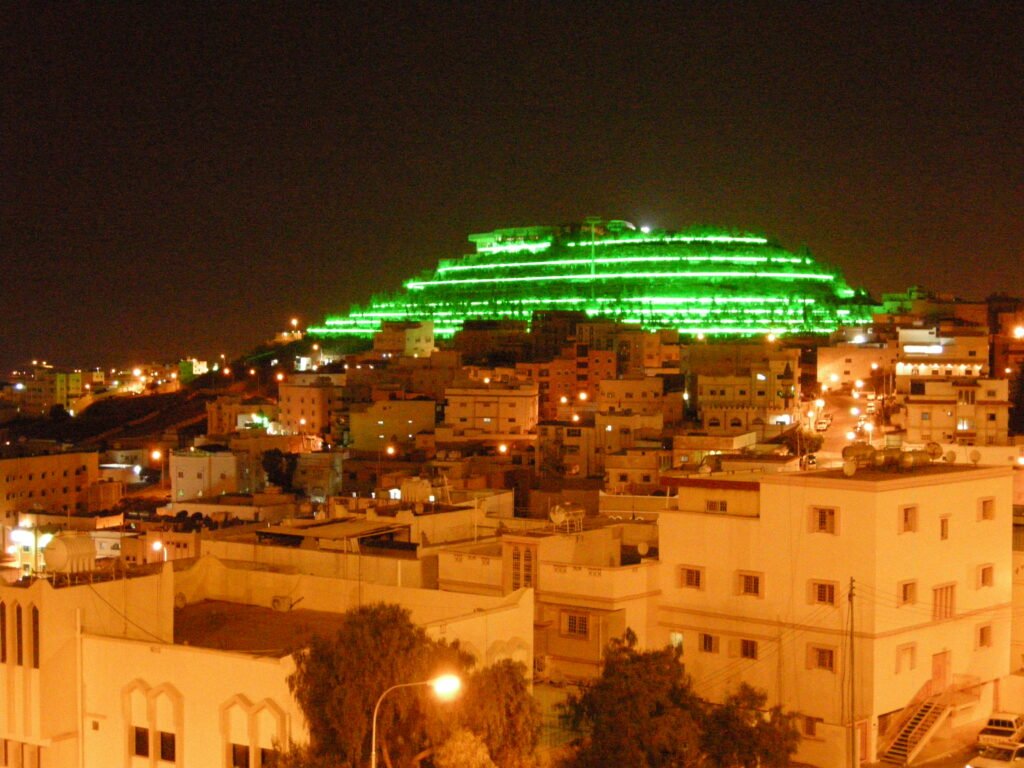
The Asir highlands
Abha and the surrounding Aseer region sit at a significantly higher elevation than the coastal and central cities, which brings noticeably cooler temperatures through the summer months. This makes it the single most popular domestic escape for families and residents based in Riyadh, Jeddah, and the Eastern Province during the hottest part of the year, and demand for both accommodation and transport rises accordingly.
Taif and the western highlands
Taif, reached from Jeddah via the mountain road, sees a similar seasonal pattern on a smaller scale, offering a cooler alternative within a shorter drive of the coastal cities for those not travelling as far as Asir.
What this means for transport
Higher demand on highland routes
The road routes into Abha and the wider Asir region see a noticeable increase in both private and hired vehicle traffic through the summer. Travellers planning a highland trip during peak weeks should expect busier roads than at other times of year, and should book transport, particularly larger vehicles for families, well ahead of travel rather than assuming availability on short notice.
Accommodation pressure pushes people further out
As hotels in central Abha fill up during peak weeks, some visitors end up staying in outlying towns and need reliable transport to reach the main sights and viewpoints each day. Confirming a transport plan for the full stay, not just the arrival journey, avoids being caught without options once accommodation choices are more limited.
Getting around the highlands once you arrive
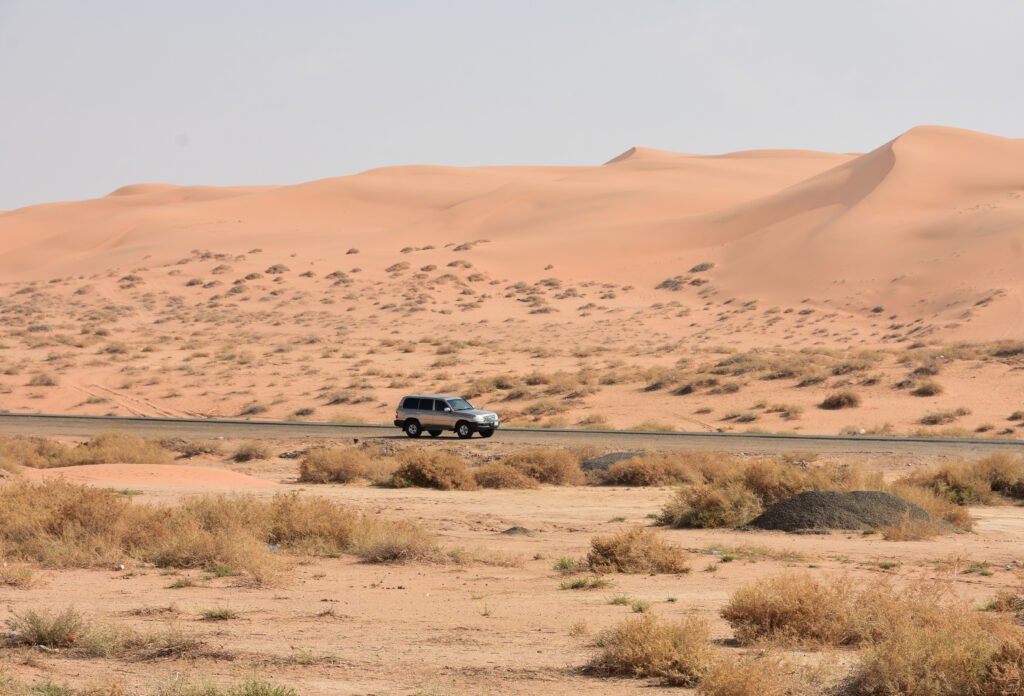
Asir’s roads include genuine mountain driving: gradient, switchbacks, and occasional fog on the escarpment. This is worth planning for specifically, both in the vehicle chosen and the driver’s familiarity with the route. A vehicle suited to flat highway driving is not automatically the right choice for a highland touring itinerary, and it is worth confirming with your transport provider that the vehicle and driver are appropriate for mountain roads before departure.
A practical approach for summer highland trips
- Book transport for the full stay, including day trips to viewpoints and natural sites, not just the arrival transfer
- Choose a vehicle suited to mountain roads if the itinerary includes any significant gradient or switchback driving
- Allow extra time for journeys during the busiest weeks of the season, when local traffic is at its heaviest
- Confirm accommodation and transport together, since the two are closely linked during peak demand periods
Staying in the lowland cities during summer
For visitors and residents who stay in Riyadh, Jeddah, or the Eastern Province through the summer rather than heading to the highlands, the main practical consideration is the heat itself rather than transport availability. Pre-booked, air-conditioned private transport is generally the more comfortable option during the hottest months, reducing time spent outdoors waiting for a ride compared with hailing transport on the street.
Timing your booking against the season
As a practical rule, transport and accommodation for a summer highland trip should be confirmed several weeks ahead of the peak school holiday weeks rather than closer to travel, since this is when both fill fastest. Travellers with flexible dates who can visit just before or just after the very peak weeks often find noticeably better availability, at similar temperatures, without the heaviest crowding on the roads and at the main viewpoints.
Why summer specifically drives this pattern
The heat difference between the lowland cities and the Asir highlands during summer is significant enough to genuinely shape travel decisions, not just a minor comfort preference. This elevation-driven temperature gap is the entire reason summer domestic tourism concentrates so heavily on this particular region rather than spreading evenly across the country, and it is worth keeping this underlying driver in mind when planning, since it explains why the highlands specifically, rather than Saudi Arabia’s domestic tourism destinations generally, see this particular seasonal surge.
Alternatives to the busiest highland towns
Visitors who find Abha itself fully booked during the peak weeks of summer sometimes overlook nearby towns across the wider Aseer region that offer similar cooler weather with less pressure on accommodation and roads. Exploring transport options to these smaller towns, rather than assuming Abha is the only viable base, can make a summer highland trip considerably easier to plan at short notice, provided transport is arranged with a provider who knows the wider region rather than only the main city itself.
Booking accommodation and transport as a package
Because summer highland demand concentrates so heavily on Abha and the surrounding towns, the smartest approach for a family or group trip is to treat accommodation and transport as a single planning decision rather than two separate bookings. Confirming a transport provider who already knows your accommodation location and the length of your stay allows day trips to be planned properly in advance, rather than arranged each morning once you have already arrived and discovered how limited last minute options can be during the peak weeks.
Weekday versus weekend travel patterns
Within the summer season itself, demand is not evenly spread. Weekends and the days immediately around them see the heaviest road traffic into and around the highlands, as visitors from the lowland cities travel up for short breaks. Travelling on a weekday, where work and school schedules allow, generally means quieter roads, more accommodation choice, and less pressure on transport availability than a weekend departure during the same season.
Families travelling with children
Summer highland trips are frequently family holidays, often coinciding with school breaks, and this brings its own transport considerations. A larger vehicle with proper luggage space for a family’s full holiday load, rather than a compact vehicle sized for the passenger count alone, tends to make the trip noticeably more comfortable, particularly across the longer driving stretches into the highlands. It is also worth confirming with your transport provider whether child seats are available if needed, rather than assuming this as a given, since not every vehicle in a general fleet carries one as standard.
Comparing summer demand with other busy seasons
Saudi Arabia’s domestic travel calendar has more than one peak period, and it helps to understand how summer compares. Ramadan and Eid travel tends to concentrate around specific religious and family observances, with sharp, short spikes in demand around the holidays themselves. Summer domestic tourism is different: it is a sustained peak across several weeks, driven by school holidays and the search for cooler weather, rather than a single short spike. This means summer highland demand, while intense, is also more predictable and easier to plan around well in advance, since the driving factor, the timing of school holidays and the summer heat, is known months ahead rather than shifting each year in the way religious holiday dates do.
Related guides
- Abha and Aseer: A Transport Guide to Saudi Arabia’s Mountain Region
- Asir National Park: A Visitor’s Guide from Abha
- Ramadan and Eid Travel: Planning Transport Around Saudi Arabia’s Busiest Seasons